Topsoil Vs Garden Soil: Which One Is Best For Plants
Topsoil is raw surface earth; garden soil is a blended mix designed for planting success.
I have spent years testing soils in home gardens and community plots. I’ll guide you through topsoil vs garden soil with clear facts, field tips, and step-by-step advice. You will learn what each soil is, when to use it, how to test it, and how to fix common problems. Read on to make better choices for lawns, beds, and pots.
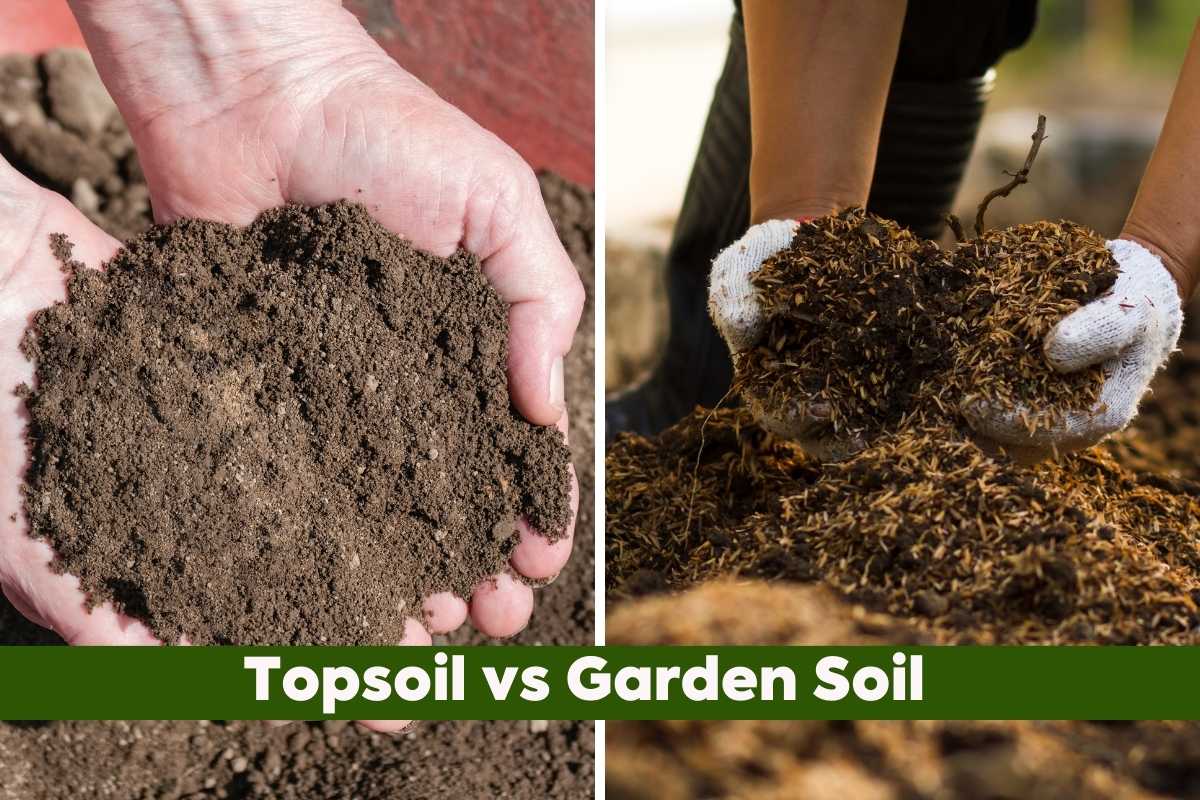
What is topsoil?
Topsoil is the uppermost layer of natural soil. It forms from broken rock, organic matter, and living organisms over time. Its texture can be sandy, silty, or clayey. Topsoil is often darker than lower layers due to organic matter. It can be loose or compacted depending on where it came from.
Common uses for topsoil
- Lawn grading and filling low spots before seeding.
- Replacing eroded patches on large areas.
- Base layer under new garden beds when mixed with compost.
What to expect when you buy topsoil
- It may be screened or unscreened.
- It may have variable nutrient levels.
- It can contain weed seeds, clay lumps, or rocks.
From my experience, contractor topsoil is great for leveling. It is not always ready for planting without amendments.

What is garden soil?
Garden soil is a manufactured mix made for growing plants. It blends topsoil, compost, sand, and other ingredients to improve structure and fertility. Garden soil tends to drain better than raw topsoil. It often includes added nutrients and sometimes lime or other pH adjusters.
Common uses for garden soil
- Filling raised beds for vegetables and flowers.
- Top dressing existing beds.
- Improving container fills for larger pots.
Garden soils are made to be plant-friendly. In my raised beds, garden soil shortened establishment time and cut watering needs.

Topsoil vs garden soil: key differences
Here are the main differences between topsoil vs garden soil. I list the traits gardeners care about most.
- Composition
- Topsoil: Natural mix of minerals and organic matter from the surface layer.
- Garden soil: Blended by manufacturers with compost, sand, and nutrients.
- Texture and drainage
- Topsoil: Variable and can be heavy clay or loose sand.
- Garden soil: Designed to balance drainage and water retention.
- Nutrient levels
- Topsoil: Can be low or uneven in nutrients.
- Garden soil: Usually enriched with compost or fertilizer.
- Weed seeds and pathogens
- Topsoil: More likely to carry weed seeds or pests.
- Garden soil: Often pasteurized or screened to reduce seeds.
- Cost and availability
- Topsoil: Cheaper by volume, especially bulk.
- Garden soil: Pricier per cubic foot but ready for planting.
Choosing between topsoil vs garden soil depends on your goal. For quick planting, garden soil saves effort. For large fills or grading, topsoil is more cost effective.

When to use topsoil vs garden soil
Use topsoil when:
- You need to level a yard or fill large holes.
- You are working on erosion control or landscaping on a budget.
- You plan to mix and amend the soil yourself.
Use garden soil when:
- You build raised beds or plant in containers.
- You want a plug-and-play mix for flowers and vegetables.
- You need consistent fertility and drainage from the start.
Practical examples from my work
- I used bulk topsoil to raise a sloped lawn then seeded grass. It saved money.
- I used garden soil in a herb bed. The plants grew quickly without extra compost.
How to test and improve each soil
Simple tests you can do at home
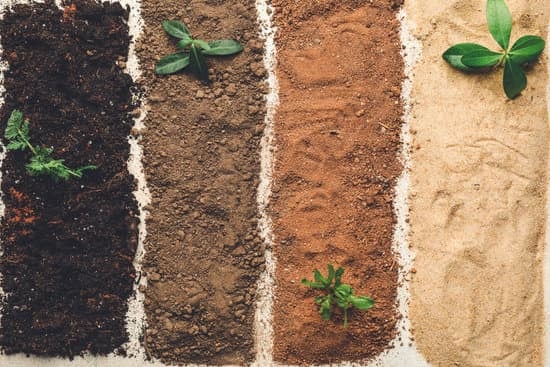
- Jar test: Mix soil and water in a jar, let settle, and read layers to estimate clay, silt, and sand.
- Feel test: Rub a damp pinch of soil. Sandy feels gritty; clay feels sticky.
- pH and nutrient kits: Cheap kits reveal acidity and basic nutrients.
Amendments and fixes
- To improve topsoil for planting: add compost, coarse sand, and a balanced fertilizer. Work in organic matter at a 2:1 ratio (topsoil:compost).
- To refresh garden soil: add compost annually and a light fertilizer in spring. Replace or top up after heavy cropping.
- For drainage issues: add coarse sand and perlite, or build raised beds.
Personal tip: I mix compost into topsoil in a wheelbarrow until the color and smell are right. Good soil smells earthy. Poor soil smells sour or stale.
Buying, sourcing, and what to avoid
Where to buy
- Local landscape suppliers for bulk topsoil.
- Garden centers or online for bagged garden soil.
- Community compost sites for free or low-cost organic matter.
Red flags to avoid
- Soil labeled only as "fill dirt"—it rarely supports plants.
- Soil with many clay clods or visible trash.
- Bagged soil with vague ingredient lists and no screening.
Checklist before buying
- Ask if the topsoil is screened and from what depth.
- Check for certification or testing info for bagged garden soil.
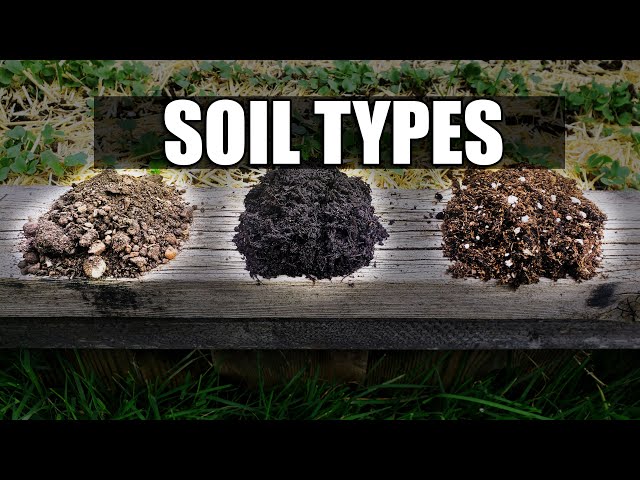
- Smell and feel a sample if possible.

Environmental and sustainability considerations
Think local and low impact
- Use locally sourced soil to cut transport emissions.
- Add compost to improve soil health and carbon storage.
- Avoid removing topsoil from natural sites; it harms ecosystems.
Sustainable practices I follow
- I top-dress beds with compost each fall.
- I mulch to reduce watering and erosion.
- I test soil before adding synthetic fertilizers to avoid overuse.

Frequently Asked Questions of topsoil vs garden soil
What is the main difference between topsoil vs garden soil?
Topsoil is the natural surface layer. Garden soil is a blended mix made for planting. Garden soil is usually richer and more consistent than raw topsoil.
Can I use topsoil in raised beds instead of garden soil?
Yes, but you should amend topsoil with compost and sand for better structure and nutrients. Unamended topsoil can be heavy and slow to drain.
Is garden soil good for container plants?
Garden soil is often formulated for beds, not small pots. Use potting mix for containers; garden soil may compact and harm roots in small pots.
How do I improve poor topsoil for vegetables?
Add lots of compost, a bit of sand for drainage if needed, and organic fertilizer. Work the mix deeply and let it rest for a few weeks before planting.
Will garden soil contain weed seeds?
Many commercial garden soils are screened to reduce seeds, but some can still have seeds. Check for pasteurization claims or use a brand with testing info.
How much compost should I mix with topsoil?
A good rule is 20 to 50 percent compost by volume for new beds. Start with 20 percent for large fill projects and use more for vegetable beds.
Does garden soil affect pH?
Yes, some garden soils include lime or sulfur to adjust pH. Test the pH before planting and amend only when needed.
Can I mix topsoil and garden soil together?
Yes. Mixing can be a cost-effective way to get structure and fertility. Blend well and test drainage before planting.
Is bagged topsoil better than bulk?
Bagged topsoil can be more consistent but is expensive for large jobs. Bulk topsoil is cheaper for big fills but may vary in quality.
How long does garden soil last?
Garden soil can be reused if refreshed with compost each year. Over time, nutrients deplete and structure changes, so plan to amend annually.
Conclusion
Choosing between topsoil vs garden soil boils down to use, budget, and effort. Topsoil is great for volume and grading. Garden soil is ready-made for growing. Test your soil, add compost, and match the material to the job. Start small, learn from your beds, and adjust as you go. Try a raised bed with garden soil or mix compost into topsoil for a DIY fix, and then watch how your plants respond. Share your results or questions below, or subscribe for more practical soil tips.