Compost Vs Mulch: Which Is Best For Your Garden?
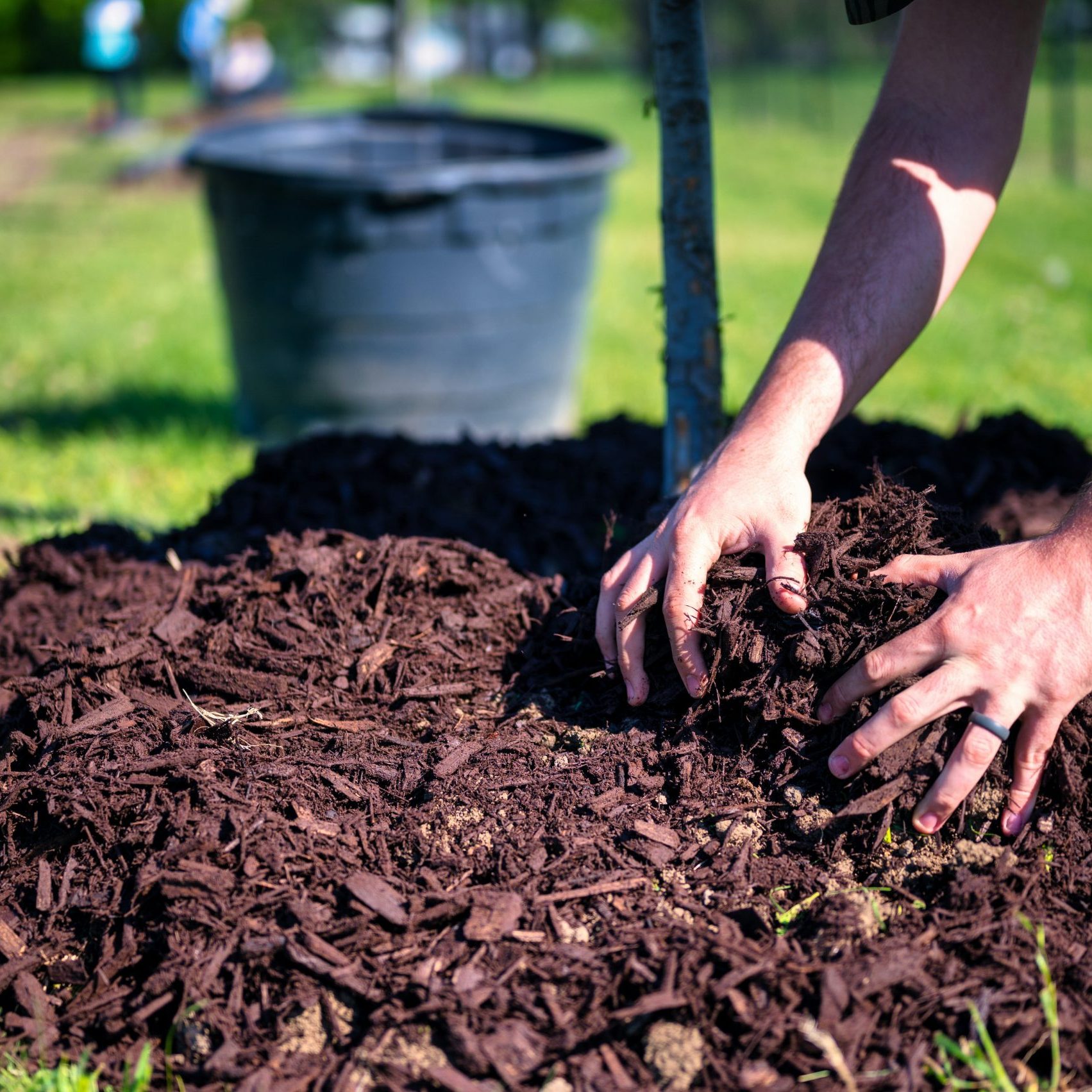
Compost feeds soil and plants; mulch protects soil surface and conserves moisture.
I’ve spent years tending gardens and testing backyard systems, so I know the practical differences between compost vs mulch. This guide explains what each does, when to use one or both, and how to get better soil and healthier plants with clear, easy steps you can apply today.
:max_bytes(150000):strip_icc()/SPR-the-difference-between-compost-and-mulch-5219355-hero-c984988b195140c58a12b1b2ab274c68.jpg)
What is compost?
Compost is decomposed organic matter. It forms when yard waste, food scraps, and other organics break down into a dark, crumbly material rich in nutrients and microbes. Compost improves soil structure, boosts nutrient levels, and feeds soil life directly. There are different methods, like hot composting for speed and cold composting for low effort, and many gardeners make small batches in bins or piles.
What is mulch?
Mulch is a material placed on the soil surface to protect it. Mulch can be organic, like straw, wood chips, or leaf litter, or inorganic, like gravel or landscape fabric. Mulch reduces evaporation, suppresses weeds, moderates soil temperature, and prevents erosion. Mulches usually do not supply many plant nutrients until they begin to break down.

Key differences between compost vs mulch
Understanding compost vs mulch helps you choose the right tool for the task. Below are the main contrasts to guide decisions.
- Purpose and function: Compost feeds soil biology and nutrients. Mulch protects the soil surface and conserves moisture.
- Placement: Compost is mixed into soil or used as a top-dressing. Mulch stays on top of the soil as a protective layer.
- Decomposition speed: Compost is stabilized organic matter ready to feed plants. Mulch varies; some break down quickly and add organic matter over time, while others persist longer.
- Nutrient availability: Compost releases nutrients directly. Mulch gives nutrients slowly as it decomposes.
- Best uses: Use compost when you want to improve soil fertility. Use mulch for moisture control, weed suppression, and surface protection.
- Appearance and maintenance: Mulch affects garden aesthetics more. Compost is hidden in the soil or used as a thin surface dressing.
These distinctions clarify how compost vs mulch play different roles in a healthy garden.
Benefits of using compost
Compost improves plant health in several straightforward ways.
- Soil fertility: Compost adds nitrogen, phosphorus, potassium, and micronutrients in a balanced way.
- Soil structure: It helps clay soils drain and sandy soils retain water.
- Microbial life: Compost feeds beneficial microbes that cycle nutrients and suppress some diseases.
- Reduced need for chemical fertilizers: Healthy soil requires fewer synthetic inputs.
- Better plant growth: I noticed bigger yields and stronger roots in beds where I used compost regularly.
When I started adding a thin layer of compost each spring, my vegetable beds grew faster and needed less watering. Compost is a long-term soil investment.

Benefits of using mulch
Mulch delivers clear, immediate surface benefits.
- Moisture retention: Mulch cuts water loss and reduces watering frequency.
- Weed suppression: It blocks light and slows weed growth.
- Temperature control: Mulch keeps soils cooler in summer and warmer in winter.
- Erosion control: It holds soil in place on slopes and bare patches.
- Cleanliness and curb appeal: Mulch gives beds a tidy look and protects root zones.
From experience, a 2–3 inch mulch layer around shrubs reduced my watering by about a third during dry months. Mulch is an easy win for busy gardeners.
:max_bytes(150000):strip_icc()/compost-black-gold-for-your-garden-soil-1403130-hero-ce0c30b8b69e4708b9da72caf794f241.jpg)
How to use compost and mulch together
Compost vs mulch is not an either-or choice. They work best in combination.
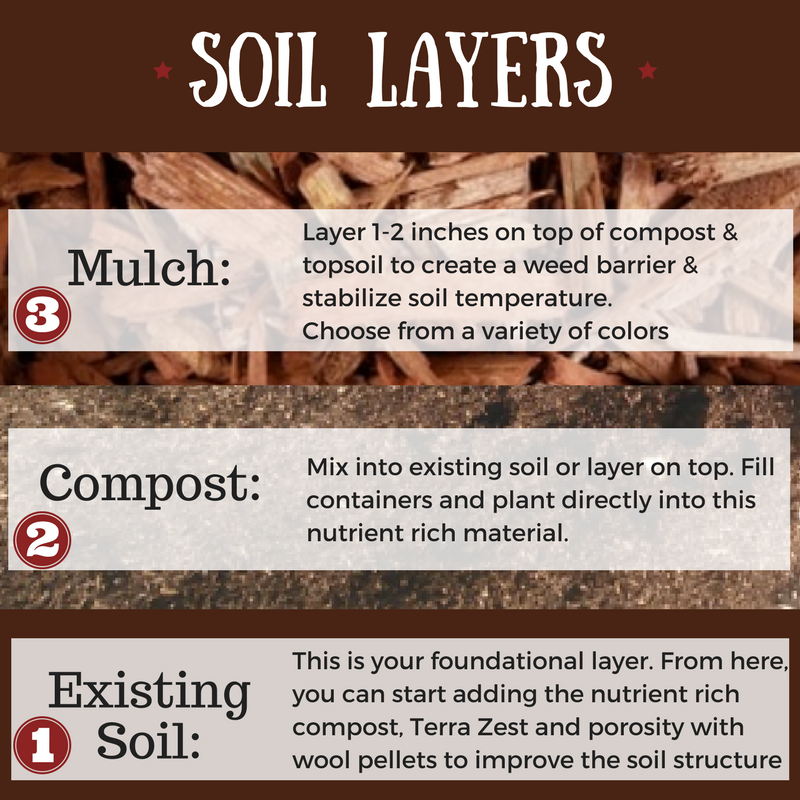
- Step 1: Amend soil with compost before planting. Mix or top-dress with 1/2 to 1 inch, then work in lightly.
- Step 2: Plant as usual.
- Step 3: Apply mulch 2–3 inches thick over the soil surface, leaving a small gap around stems and trunks.
- Step 4: Replenish mulch once per year and top-dress with compost in spring if needed.
Using compost under mulch gives plants both nutrition and protection. I follow this routine in perennials and vegetables and see steady improvement in soil and plant vigor.
When to choose compost vs mulch
Choosing between compost vs mulch depends on goals and timing. Here are common scenarios.
- Soil improvement: Choose compost if your soil is poor, compacted, or low in organic matter.
- Moisture and weed control: Choose mulch when you need to conserve water and suppress weeds quickly.
- New beds: Start with compost to build a good base, then add mulch to protect that investment.
- Established beds: Add compost occasionally and maintain a mulch layer for ongoing benefits.
- Erosion or slopes: Use mulch for immediate protection and compost to slowly build soil.
Can mulch act like compost over time?
Yes. Organic mulches slowly break down and add organic matter. But this process is slower and less nutrient-rich than adding finished compost.
Can I put compost on top of mulch?
It is better to add compost before mulching. Putting compost on top of mulch is not harmful but may reduce compost contact with soil microbes.
Does compost attract pests more than mulch?
Compost is well-stabilized and usually does not attract pests if properly managed. Fresh food waste or poorly composted piles can attract animals.

Common mistakes and practical tips from experience
I’ve learned lessons the hard way. Avoid these to save time and plants.
- Mistake: Mulch volcanoes around tree trunks. Tip: Keep mulch 1–2 inches away from bark to prevent rot and pests.
- Mistake: Using fresh wood chips as a soil amendment without compost. Tip: Let woody mulch age or add compost to offset nitrogen drawdown.
- Mistake: Over-applying compost in a single layer. Tip: Use thin, regular top-dressing rather than one thick layer.
- Mistake: Applying mulch too shallow or too deep. Tip: Aim for 2–3 inches of organic mulch; adjust by material type.
- Tip: Test soil before major changes. A simple soil test guides how much compost you need and which nutrients are missing.
I once used fresh sawdust in a vegetable patch and watched leafy growth slow. Adding compost and a light fertilizer corrected it over a season. Practical fixes like that are what make gardens thrive.
Frequently Asked Questions of compost vs mulch
What’s the main difference between compost vs mulch?
Compost is decomposed organic material used to build soil fertility. Mulch is a surface cover that conserves moisture and suppresses weeds.
Can I use mulch as a fertilizer?
Not immediately. Some mulches add nutrients as they break down, but finished compost supplies nutrients faster than most mulches.
How thick should mulch and compost layers be?
Use 2–3 inches of organic mulch for most beds. Apply compost as a 1/4 to 1/2 inch top-dressing or work a similar depth into the soil for amendments.
Should I compost leaves before using them as mulch?
Leaves can be used whole as mulch, but shredded leaves work better and decompose faster. Composting leaves first creates a more stable, nutrient-rich amendment.
Is it okay to mulch vegetable beds?
Yes. Use weed-free organic mulch like straw or shredded leaves. Keep mulch away from plant stems and add compost to enrich the soil before mulching.
Conclusion
Compost vs mulch serves different but complementary roles: compost builds healthy soil and feeds plants, while mulch protects the soil surface and conserves moisture. Start by improving soil with compost and then add mulch to protect that improvement. Small, regular applications beat large, rare efforts. Try a routine of spring compost top-dressing and annual mulching to see steady gains in soil health and plant productivity. Share your results, ask questions below, or subscribe to get more practical garden tips.