Boxwood Vs Japanese Holly: Best Choice For Hedges
Boxwood vs Japanese holly: choose boxwood for classic topiary, Japanese holly for deer resistance.
I have planted and tended both boxwood and Japanese holly for over a decade. I know their habits, strengths, and common problems. This guide compares boxwood vs japanese holly step by step to help you choose the right shrub for hedges, topiary, or foundation plantings. Read on for practical tips, real-life lessons, and clear rules for success.
Overview: boxwood vs japanese holly
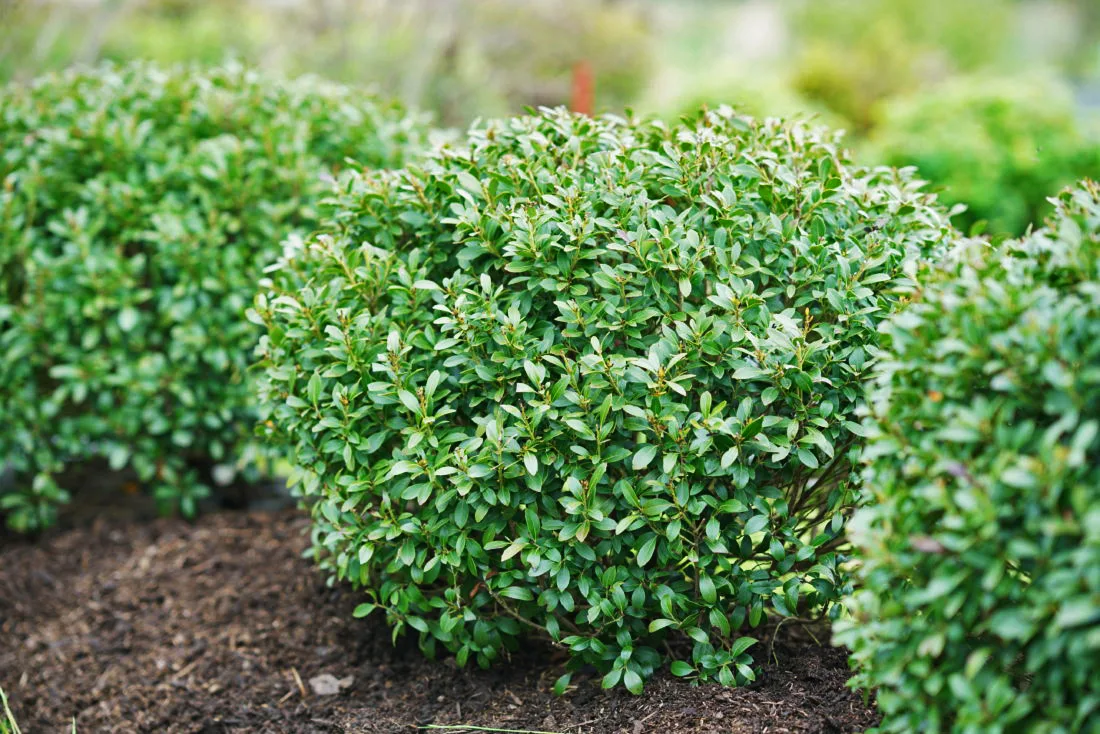
Boxwood (genus Buxus) and Japanese holly (Ilex crenata) are evergreen shrubs used widely in landscapes. Boxwood has small, glossy, rounded leaves and a long history in formal gardens. Japanese holly looks similar at a glance but is actually in the holly family and has different growth habits and hardiness. Knowing these basics helps when planning hedges, containers, or topiary. This section sets the stage for deeper comparison of boxwood vs japanese holly.
Key differences: growth habit, leaves, flowers, and hardiness
Understanding core differences makes the decision easy. I list the main contrasts below in clear terms.
- Growth habit: Boxwood grows slowly and densely, ideal for tight shapes. Japanese holly can grow faster and has a slightly more open habit.
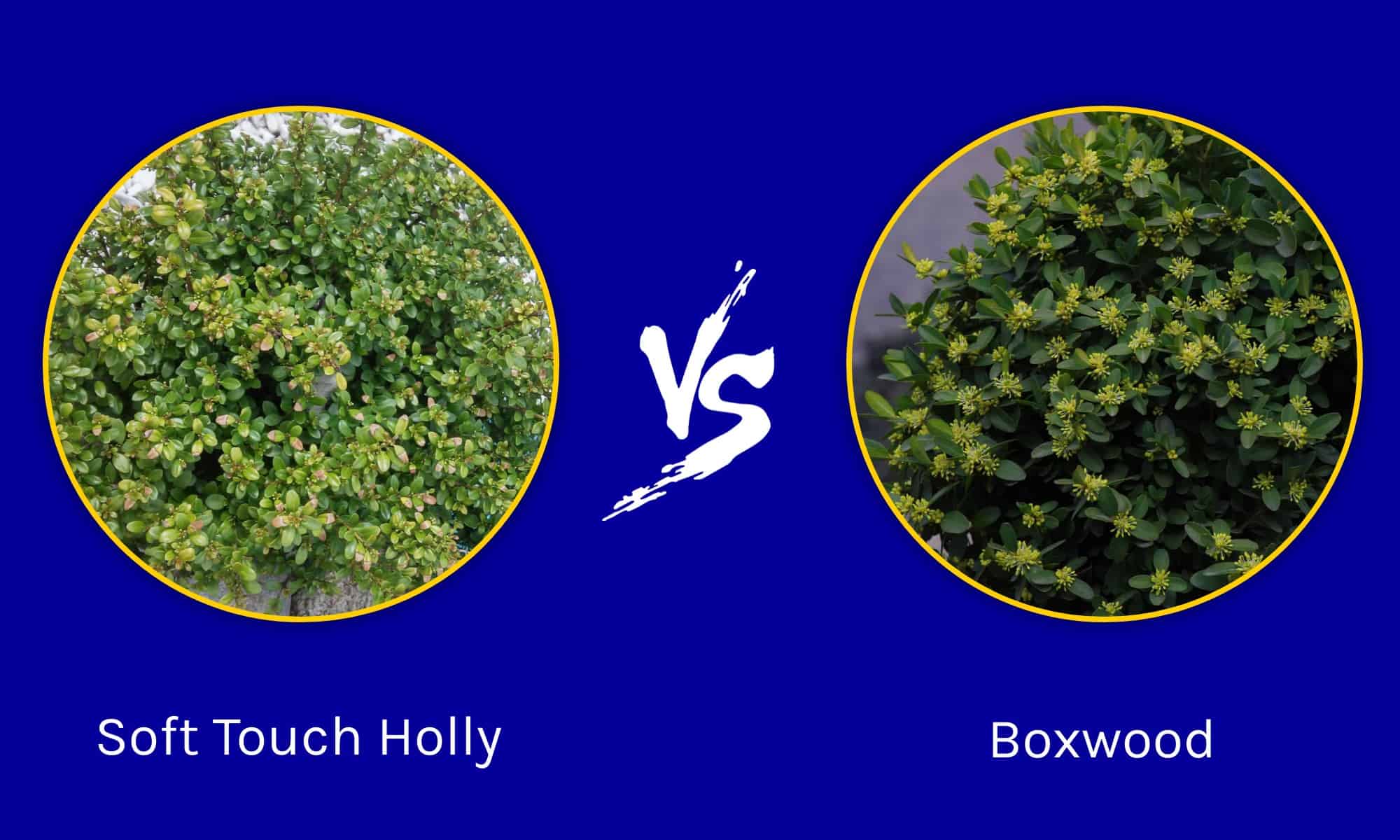
- Leaves: Boxwood leaves are thicker and often more glossy. Japanese holly leaves are finer and sometimes more uniform in size.
- Flowers and fruit: Boxwood has tiny, inconspicuous flowers and no showy fruit. Japanese holly produces small white flowers and rare black berries on female plants.
- Hardiness and zones: Most boxwood varieties suit USDA zones 5–9. Japanese holly often tolerates similar zones but some cultivars handle colder winters better.
- Deer and pest resistance: Japanese holly tends to be less preferred by deer. Boxwood is more susceptible to boxwood blight and boxwood leafminer.
When comparing boxwood vs japanese holly, consider how the shrub will be used and the climate. Small visual differences can matter a lot in formal plantings.

Planting and care for boxwood vs japanese holly
Good planting and care decide success more than variety choice. Both shrubs share many needs but have subtle care differences.
- Soil and drainage: Both prefer well-draining soil. Boxwood tolerates slightly heavier soils if drainage is adequate. Japanese holly tolerates a wider pH range.
- Light: Boxwood does best in partial shade to full sun. Japanese holly tolerates full sun to shady sites and often handles more sun without leaf scorch.
- Watering: Keep new plantings evenly moist. Once established, Japanese holly may tolerate drier spells better than boxwood.
- Fertilizer: Apply a balanced, slow-release fertilizer in spring. Avoid heavy feeding late in the season for either shrub.
- Pruning: Boxwood responds well to frequent light pruning for topiary. Japanese holly prunes well too but may need less frequent shaping to keep form.
- Pests and diseases: Watch for boxwood blight, leafminer, and root rot in boxwood. Japanese holly can face scale, mites, and occasional root problems.
From my experience, planting slightly higher with good compost and giving regular mulch helps both shrubs settle quickly. When you compare boxwood vs japanese holly, maintenance needs should match your time and skill level.
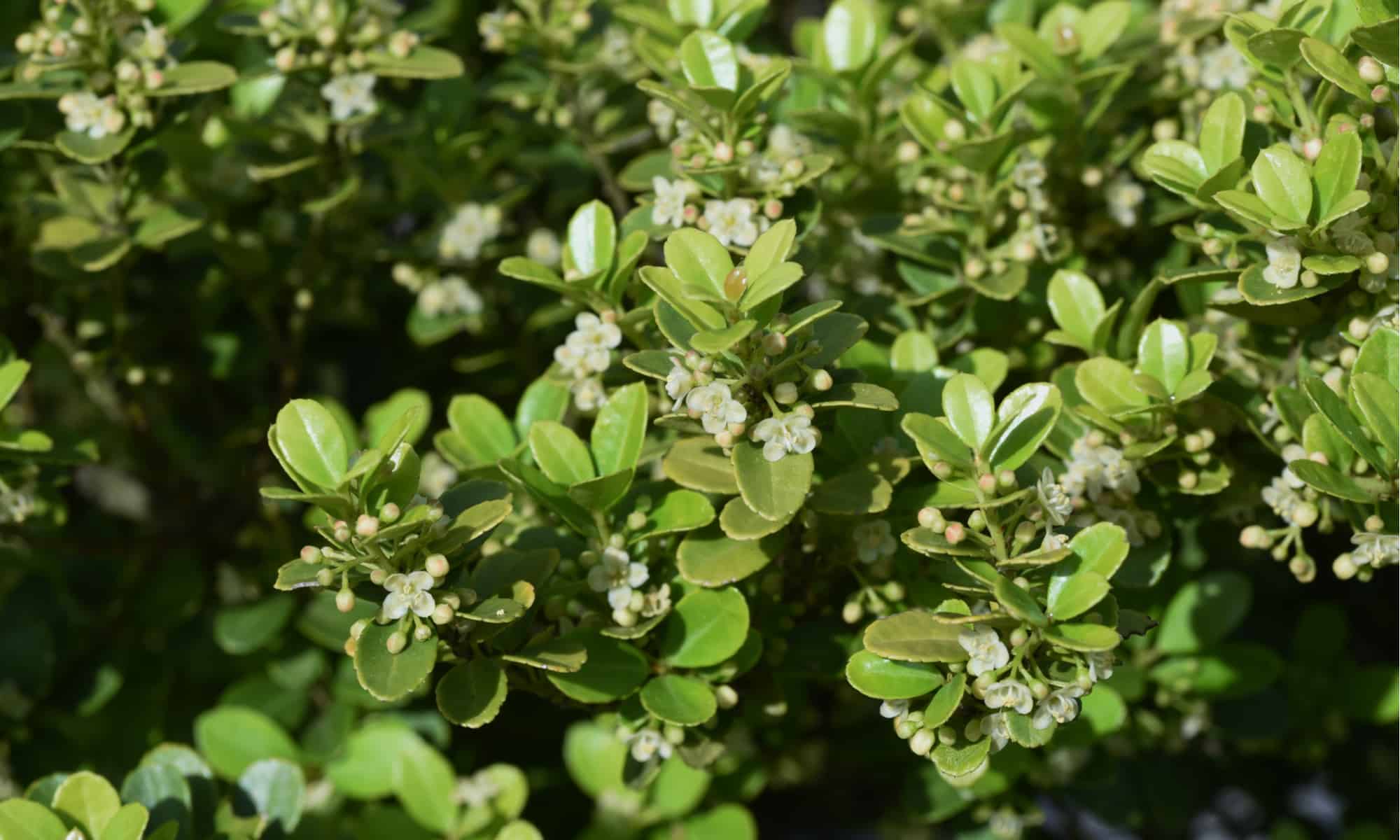
Landscaping uses and design ideas for boxwood vs japanese holly
Both shrubs are versatile. Use them to create structure, formality, or soft hedges.
- Formal hedges and parterres: Boxwood is the traditional choice for tight, low hedges and parterres. Its dense growth holds crisp lines.
- Informal hedges and screens: Japanese holly works well for slightly relaxed hedges that still read tidy from a distance.
- Topiary and clipped forms: Boxwood is preferred for detailed topiary and geometric shapes. Japanese holly can be clipped into simpler forms.
- Containers and foundation plantings: Both do well in containers if you use quality potting mix and regular watering.
- Mixed borders: Use Japanese holly where deer deterrence or faster fill-in is desired. Boxwood works best where a formal look is central.
When planning, think about scale, sightlines, and maintenance. The choice between boxwood vs japanese holly often comes down to how formal you want the space and how much care you will provide.
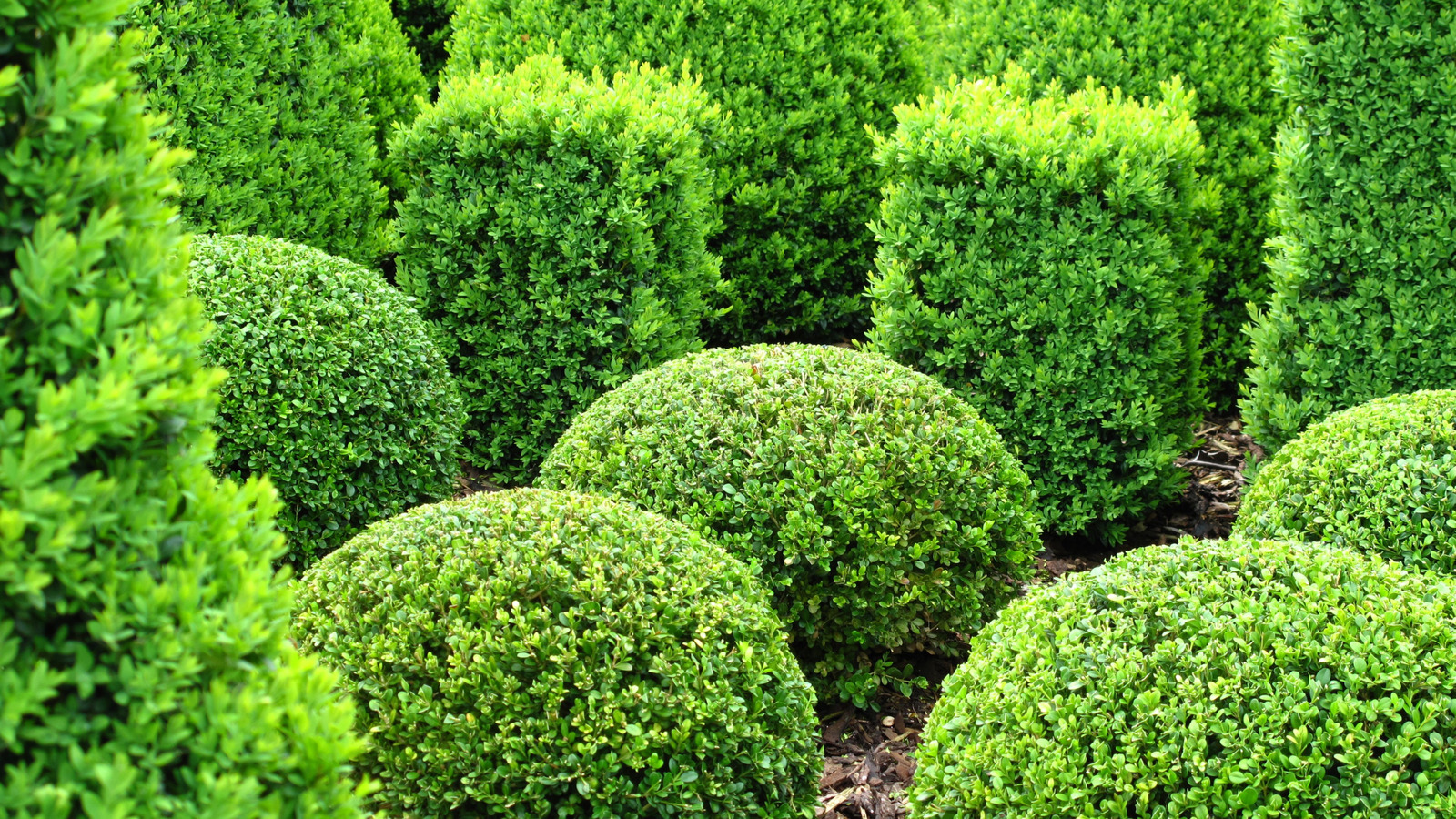
Pros and cons: boxwood vs japanese holly
A side-by-side list helps when weighing options.
Boxwood
- Pros: Classic look, excellent for precise topiary, dense foliage, long-lived with care.
- Cons: Prone to blight and leafminer, slower growth, can suffer in poor drainage or harsh winter sun.
Japanese holly
- Pros: Natural deer resistance, faster growth, tolerates wider conditions, attractive when left more natural.
- Cons: Not as dense for very tight topiary, some cultivars produce female fruit only rarely, may need occasional pest checks.
If you must pick between boxwood vs japanese holly, match pros and cons to site conditions and your care plan.
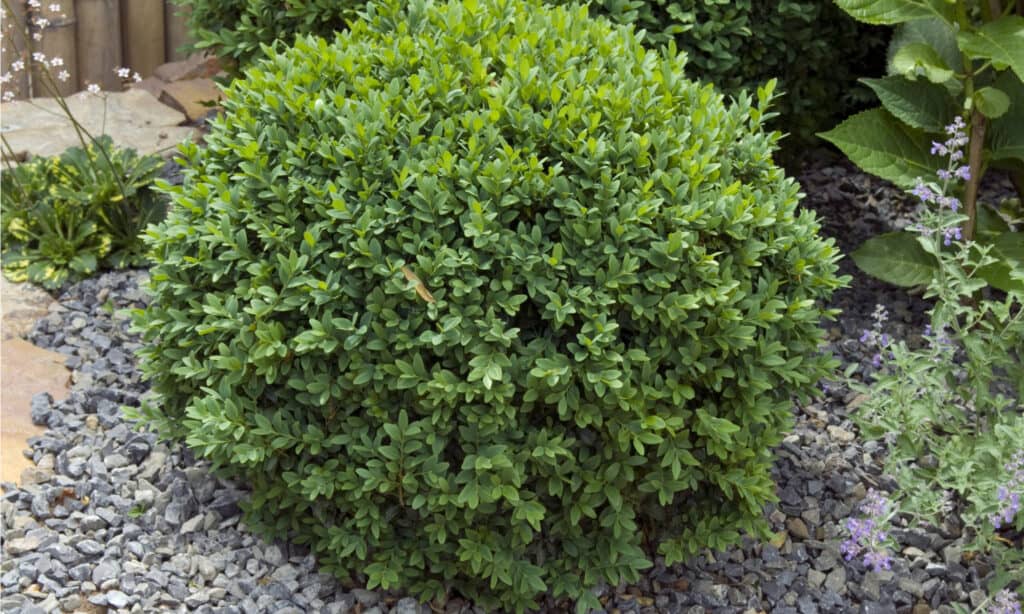
How to choose: which to pick for your yard
Ask a few simple questions to decide.
- What is the USDA zone and winter exposure? Choose cultivars suited to your zone.
- How formal do you want the look? Pick boxwood for formal and Japanese holly for semi-formal or natural styles.
- How much time will you spend pruning? Boxwood needs more precise clipping. Japanese holly is lower-maintenance.
- Do you have deer problems? Japanese holly often fares better.
- Are pests common in your area? Research local outbreaks of boxwood blight before installing large masses of boxwood.
I once planted boxwood for a client near a busy road and learned to avoid compacted soil. After switching to raised planting beds and good mulch, the hedge thrived. Use such practical fixes when weighing boxwood vs japanese holly for your property.

Common PAA-style questions about boxwood vs japanese holly
What grows faster, boxwood or Japanese holly?
Boxwood generally grows slower than Japanese holly. If speed is key, Japanese holly usually fills a space faster.
Which is better for topiary?
Boxwood is better for detailed topiary due to its dense foliage. Japanese holly works for simpler shapes.
Which is more disease-prone?
Boxwood is more vulnerable to specific diseases like boxwood blight. Japanese holly faces fewer fungal threats but can have scale or mite issues.
Can both be used in containers?
Yes. Both boxwood and Japanese holly handle containers when given good soil and regular water. Use mixes with good drainage and feed lightly.
Do either attract wildlife?
Japanese holly may attract birds if it produces berries. Boxwood offers shelter but rarely produces fruit that wildlife eats.
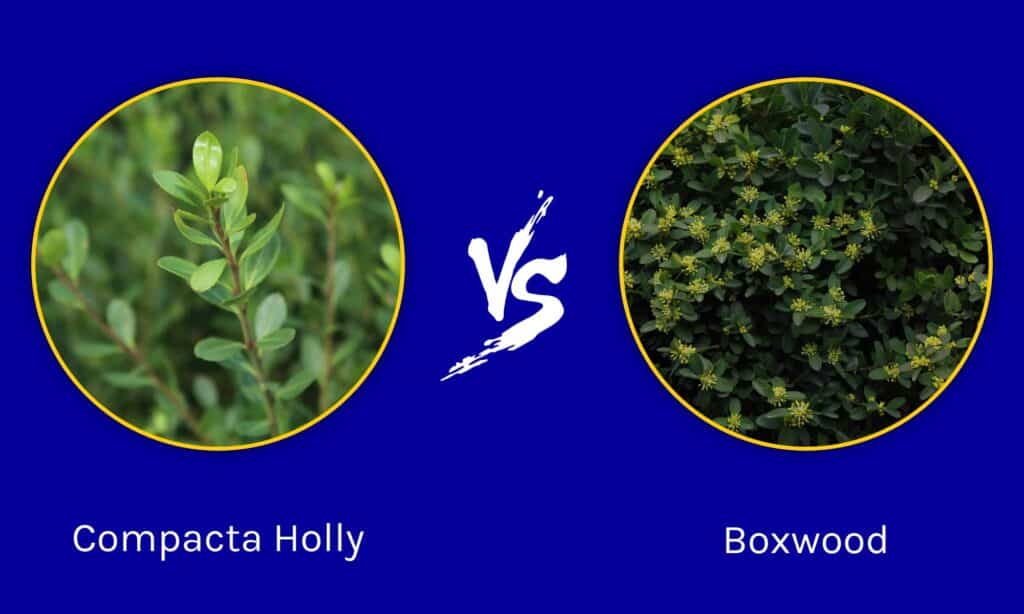
Frequently Asked Questions of boxwood vs japanese holly
What are the main visual differences between boxwood and Japanese holly?
Boxwood leaves are thicker and often more glossy than Japanese holly. Japanese holly leaves are finer and more uniform, giving a slightly different texture in the landscape.
Are boxwood and Japanese holly equally hardy?
Hardiness depends on the cultivar, but many boxwood and Japanese holly types share similar USDA zone ranges. Check the specific cultivar for accurate cold tolerance.
Which shrub needs more pruning for a neat hedge?
Boxwood typically needs more frequent, precise pruning to maintain very neat hedges and topiary. Japanese holly can be maintained with less frequent trimming.
Is boxwood blight a reason to avoid boxwood entirely?
Boxwood blight is serious but manageable with good practices like spacing, sanitation, and selecting blight-resistant cultivars. Avoiding boxwood is not necessary for every site.
Can Japanese holly replace boxwood in historic or formal gardens?
Japanese holly can mimic boxwood in many settings, but it may not match the exact density or traditional look that boxwood provides. Use it where a close alternate is acceptable.
How often should I water newly planted boxwood or Japanese holly?
Water deeply once or twice a week in the first growing season, depending on rainfall and soil. Keep soil evenly moist but not waterlogged.
Conclusion
Boxwood vs japanese holly is a common landscape choice that depends on goals, climate, and maintenance. Boxwood gives classic form and precision. Japanese holly offers speed, deer resistance, and wider tolerance. Match the plant to your site, prune wisely, and watch for pests and disease. Take action by evaluating your yard’s light, soil, and maintenance time, then pick a shrub that fits. Share your plans or questions below, subscribe for more planting guides, or try a small test planting to see which shrub suits your garden best.