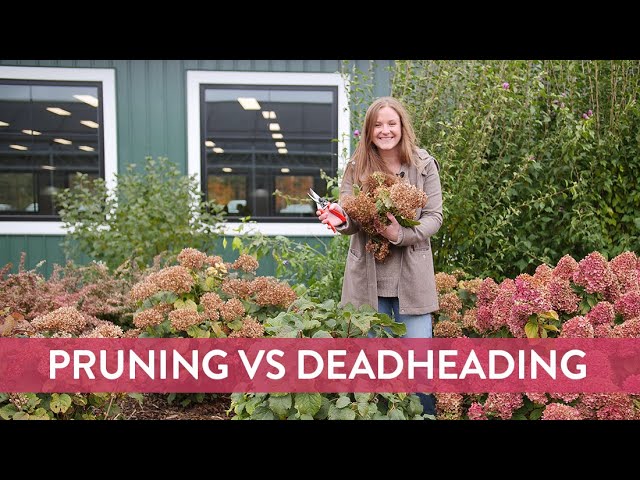
Deadheading Vs Pruning: Key Differences And When To Do It
Deadheading snips off spent blooms; pruning cuts stems or branches to guide growth.
If you want healthier plants and longer blooms, you need both. This guide unpacks deadheading vs pruning with clear steps, real examples, and pro tips from years in the garden. You will learn when to deadhead, when to prune, and how to avoid costly cuts.

What Is Deadheading?
Deadheading is the simple act of removing faded flowers. You take off the old bloom and its seed pod. This keeps the plant from making seeds. The plant then puts energy into new growth and more flowers.
Why it matters is clear. Many annuals and perennials bloom longer after deadheading. It keeps beds tidy. It also lowers disease risk from soggy petals stuck on leaves.
How to deadhead in practice:
- Use fingers or small snips.
- Follow the spent stem to the first strong set of leaves.
- Cut just above that set. Do not leave a long stub.
- Clean tools if plants are sick or very sappy.
When I deadhead petunias and calibrachoa each week, they bounce back fast. The color returns within days. When I skip it in a heat wave, blooms fade and plants get lanky.
Great plants to deadhead often:
- Roses, zinnias, dahlias, marigolds, cosmos, geraniums, salvias, snapdragons.
- Perennials like coneflowers, coreopsis, and black-eyed Susans, if you want more bloom.
When to hold off:
- If you grow for seed heads or birds. Leave coneflower and rudbeckia heads for finches.
- If the plant will not rebloom. Peonies and sunflowers will not flower again this year.
- If buds for next year sit near the old bloom. Some hydrangeas need care. Remove only the dead head above the first healthy pair of leaves.
Limits to know:
- Deadheading will not fix poor light, heat stress, or bad soil.
- In drought, avoid heavy deadheading. The plant needs leaves to photosynthesize.
- Do not shear everything at once unless the plant tolerates it, like catmint.

What Is Pruning?
Pruning is the selective removal of stems, branches, or canes. You do it to shape the plant, manage size, and keep it healthy. You also do it to boost airflow and light. That reduces pests and disease.
Common pruning cuts:
- Thinning cut. Remove a branch at its base or the branch collar. This opens the plant without a flush of shoots.
- Heading cut. Shorten a stem above a bud or side branch. This makes the plant branch below the cut.
- Renewal cut. Remove old canes at ground level. This brings in young, vigorous canes.
Timing rules that work:
- Late winter or very early spring is best for many deciduous shrubs and trees. The plant is dormant and heals fast.
- Summer pruning slows growth. Use it to tame size or remove water sprouts.
- Spring-blooming shrubs set buds on old wood. Prune them right after they flower.
- Avoid heavy pruning late in fall. New growth may not harden before frost.
Safety and cut quality matter more than fancy angles. Make a clean cut just outside the branch collar. Do not leave stubs or do a flush cut. Do not use wound paint in most cases. Keep blades sharp and clean.
Risks to avoid:
- Overpruning can cause sunscald and weak shoots.
- Big cuts raise decay risk. Stage large jobs over two or three seasons.
- Cutting at the wrong time can remove next year’s flowers.
I once hard-pruned a lilac in late summer. It looked neat, but I lost most blooms the next spring. Since then, I prune lilac right after bloom only, and I thin, not head.

Deadheading vs Pruning: Key Differences and When To Use Each
Deadheading vs pruning is about goals and scale. Deadheading is flower-focused and light. Pruning is structure-focused and can be light or heavy. Use both with intent.
Key differences:
- Goal. Deadheading boosts blooms and tidies. Pruning shapes form and health.
- Tissue removed. Deadheading takes spent flowers and short stems. Pruning takes stems, canes, or branches.
- Timing. Deadheading happens through the bloom cycle. Pruning is seasonal and tied to growth stage.
- Plant response. Deadheading often triggers more flowers. Pruning can trigger branching or calm vigor.
- Risk. Deadheading wounds are tiny. Pruning wounds are larger and need care.
Use cases:
- Annuals and bedding plants. Deadhead often. Prune only to reset straggly growth.
- Roses. Deadhead for repeat bloom. Prune in late winter for shape and health.
- Perennials. Deadhead to extend bloom. Shear back catmint and salvias for a fresh flush.
- Shrubs. Do not “deadhead” shrubs like you do annuals. Prune by type and timing. You may remove old flower clusters for looks only.
- Edibles. You prune tomatoes, berries, and fruit trees for yield and light. You do not deadhead them unless you want to stop seeding.
- Herbs. Pinch or deadhead basil to stop bolting. Prune woody herbs like rosemary after bloom to keep shape.
A quick story from my beds. I kept deadheading my English lavender like mad, hoping for waves of flowers. The plants sulked. The fix was light deadheading right after bloom and a gentle prune to shape, never into old wood. The next season, they bloomed well and kept a tidy mound.
Deadheading vs pruning is not either-or. It is a toolkit. Match the method to the plant, the season, and the goal.

Seasonal Timing and a Simple Calendar
You can plan deadheading vs pruning by season. Use this simple guide and adjust for your climate.
Spring:
- Deadhead spring bulbs like tulips after petals drop. Leave leaves until they yellow.
- Prune roses in late winter to early spring. Remove dead, damaged, and crossing canes.
- Prune fruit trees late winter to early spring to shape and open the canopy.
Early summer:
- Deadhead repeat bloomers weekly. Focus on roses, zinnias, and salvias.
- Lightly shear catmint and hardy geraniums after the first flush.
Mid to late summer:
- Continue deadheading. Skip heavy cuts in heat waves.
- Summer-prune vigorous shrubs or trees to slow growth and improve light.
Late summer to early fall:
- Ease up on heavy pruning to avoid tender new growth.
- Deadhead for tidiness only if frost is near.
After bloom specifics:
- Spring-flowering shrubs like lilac, forsythia, and azalea. Prune right after they bloom.
- Hydrangeas depend on species. Bigleaf and oakleaf often bloom on old wood. Panicle and smooth bloom on new wood.

Tools, Hygiene, and Safe Technique
Good tools make clean cuts. Clean cuts heal well and lower disease risk.
Core tools:
- Hand pruners for stems up to a finger thick. Bypass styles make cleaner cuts than anvil types.
- Snips for soft stems and deadheading.
- Loppers for thicker branches.
- A pruning saw for limbs larger than your thumb.
- Gloves and eye protection for thorny or woody plants.
Hygiene habits:
- Wipe blades with 70% alcohol between plants if disease is present.
- Sharpen often. Dull blades crush tissue.
- Clean sap off at day’s end. A clean tool is a safe tool.
Cut basics:
- For branches, cut outside the branch collar. Do not leave stubs.
- For heading cuts, cut about a quarter inch above a bud. Cut straight and clean.
- Avoid painting cuts unless a local pest requires it.
These steps sound small. They pay off. After I started wiping blades between roses with rust, black spot spread far less.

A Quick Decision Framework
Not sure what to do today? Use this short guide for deadheading vs pruning.
Ask these questions:
- Is the plant blooming now or done blooming? If done and it can rebloom, deadhead.
- Is the plant overgrown, crossing, or diseased? Plan a pruning session.
- Does this species bloom on old or new wood? Time your pruning to protect next year’s flowers.
- Is heat or drought high? Delay big cuts.
A simple flow:
- Spent flowers on annuals or repeat-bloom perennials. Deadhead above a strong leaf set.
- Woody shrub that finished spring bloom. Prune right after flowering.
- Tree with dead or broken limbs. Remove any time for safety.
- Plant blocking windows or paths in midsummer. Light summer prune to size.
- Lavender or rosemary gone shaggy. Lightly shape after bloom. Do not cut into old wood.
Write notes in a garden log. What you record this year guides you next year.

Real-World Examples and Lessons From My Garden
Roses, weekly rhythm:
- I deadhead to a five-leaflet leaf set. Blooms return fast.
- In late winter, I prune out dead, damaged, and crossing canes. Airflow improves and disease drops.
Petunias in containers:
- When I skip deadheading, they get sticky and thin.
- A hard shear by one third in midsummer, plus feed and water, brings a fresh wave.
Hydrangeas:
- Bigleaf hydrangeas lost blooms when I pruned in fall. Now I only remove spent heads and dead wood in spring.
- Panicle hydrangeas take a late winter prune and bloom on new wood. They are forgiving.
Lavender and salvia:
- I deadhead lightly after bloom and do a gentle shape.
- The key is never to cut into bare wood. That was my early mistake.
Each miss taught me to check species and bloom wood. Deadheading vs pruning is part plant science and part local notes.
Ecological and Design Considerations
Gardens feed more than our eyes. Cuts change that web. Think about wildlife, water, and style as you plan deadheading vs pruning.
Ideas to balance looks and life:
- Leave some seed heads for birds and winter interest. Coneflowers and ornamental grasses shine in frost.
- Skip deadheading on a few native perennials to support pollinators and natural reseeding.
- In drought, avoid heavy pruning. Leaves shade stems and soil.
- In small spaces, prune for airflow to prevent mildew. It can cut spray use.
Design wise, deadheading keeps color crisp. Pruning shapes the bones of the garden. Use both to match your style, from wild cottage to neat formal.
Frequently Asked Questions of deadheading vs pruning
Is deadheading the same as pruning?
Deadheading is a type of very light pruning focused on spent flowers. Pruning often refers to larger, structural cuts on stems, canes, or branches.
How far above a bud should I cut when pruning?
Aim for about a quarter inch above a healthy bud or side branch. Keep the cut clean and avoid long stubs.
Will deadheading make every plant bloom again?
No. Many annuals and repeat-bloom perennials will, but some plants will not. Peonies and sunflowers are one-and-done for the season.
When should I prune roses versus deadhead them?
Deadhead roses through the season to promote repeat blooms. Do structural pruning in late winter to early spring to shape and renew canes.
Do I need to sterilize tools after every cut?
Not for healthy plants. Disinfect when moving between sick plants or when cutting plants known to spread disease.
Should I deadhead hydrangeas?
You can remove spent heads for looks. Major pruning depends on species, since some bloom on old wood and others on new wood.
Can I prune in summer?
Yes, for light shaping and to remove problem growth. Summer pruning can slow vigor, which helps control size.
Conclusion
Deadheading vs pruning is about purpose. Deadheading keeps color coming and tidies the show. Pruning builds plant health, shape, and long-term bloom. Use both with timing and intent, and you will see stronger plants and fuller borders.
Walk your garden this week with sharp snips and a plan. Deadhead what is done. Note what needs pruning and when. If this guide helped, subscribe for more hands-on tips or share your own wins and lessons in the comments.