English Yew Vs Arborvitae: Choosing The Best Hedge
English yew is dense, long-lived, and toxic; arborvitae grows faster, is columnar, and easier to prune.
I’ve spent years designing hedges and privacy screens using both english yew vs arborvitae, so I know their strengths and trade-offs. This article breaks down how english yew vs arborvitae differ in looks, growth, care, hardiness, toxicity, landscape uses, and costs. You’ll get clear, practical advice based on hands-on experience and research so you can pick the right plant for your yard and avoid common mistakes.
Overview: what english yew vs arborvitae are and why it matters
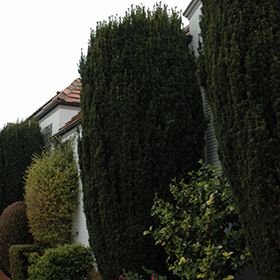
English yew (Taxus baccata) is an evergreen conifer with flat, dark-green needles, dense growth, and long life. Arborvitae usually refers to Thuja species, like Thuja occidentalis or Thuja plicata, which have scale-like foliage, a narrow habit, and faster height gain.
Choosing between english yew vs arborvitae matters if you want a hedge, specimen tree, topiary, or privacy screen. One is more shade-tolerant and sculptable (english yew). The other is quicker to form a screen and often cheaper (arborvitae). Understanding these differences saves time, money, and frustration when planting and maintaining your landscape.
Appearance and growth habits: how english yew vs arborvitae look and grow
English yew vs arborvitae differ at a glance.
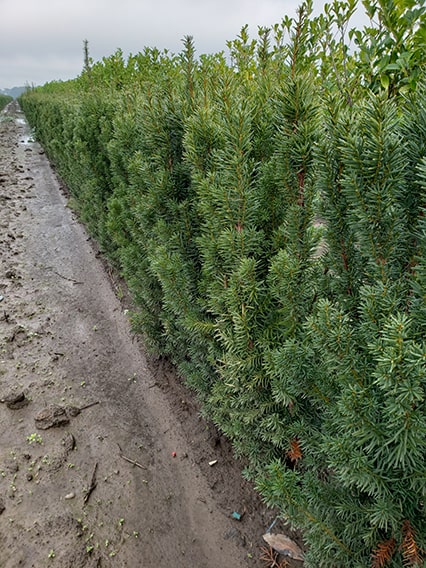
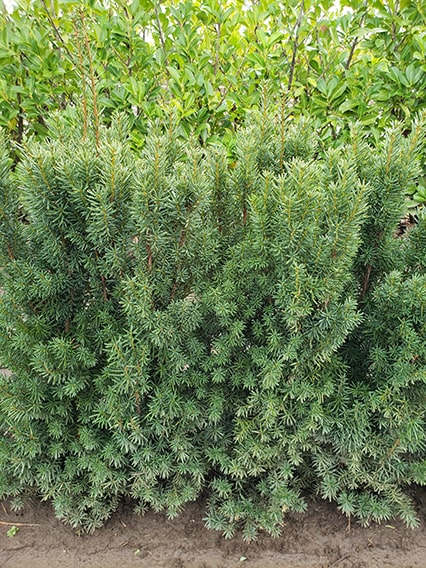
- English yew has soft, flat needles arranged on stems. It forms a rounded, dense shrub or small tree. Growth rate is slow to moderate, often 6–12 inches per year depending on conditions.
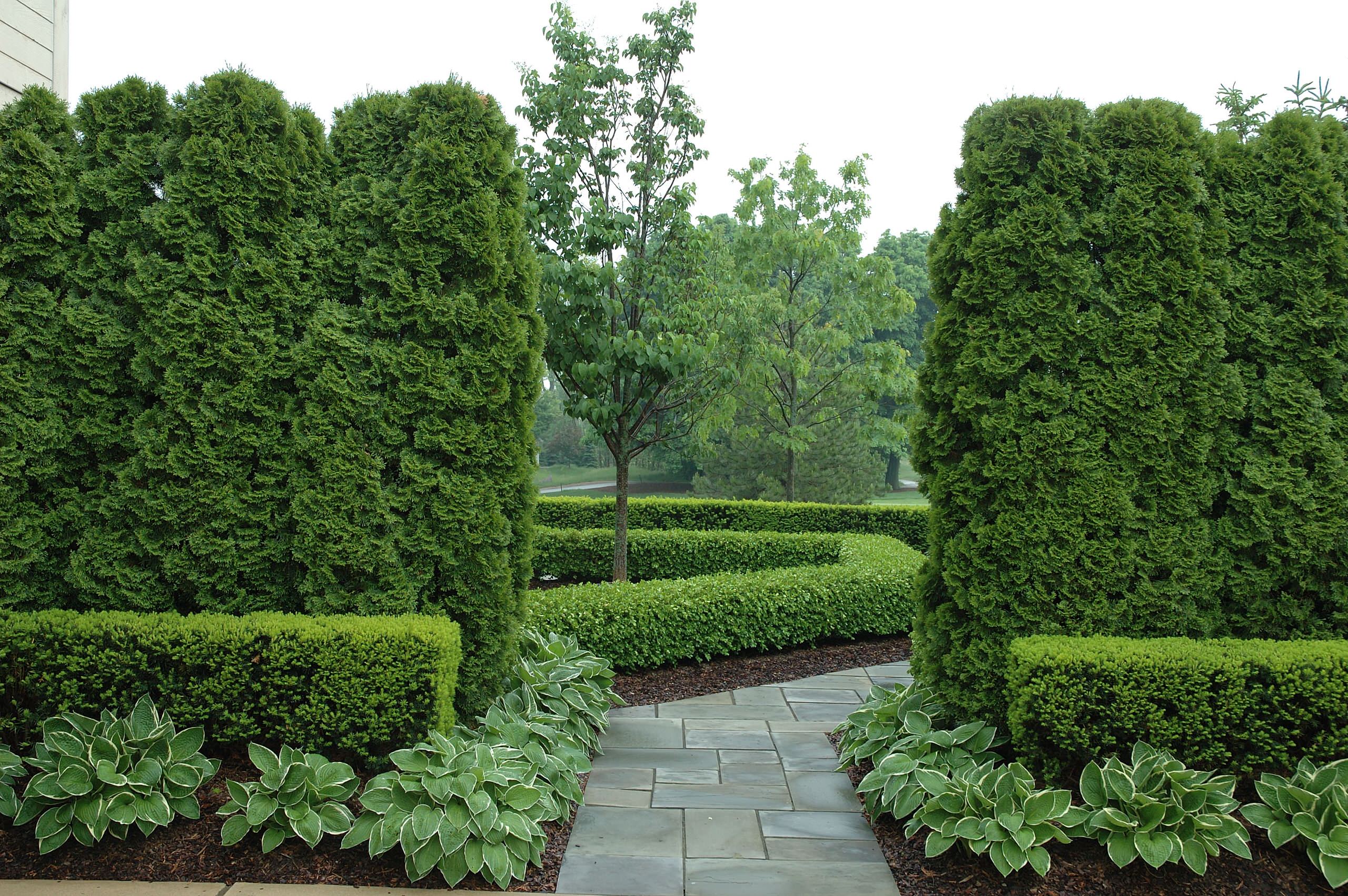
- Arborvitae has overlapping scale-like leaves that give a textured, feathery look. Many cultivars grow rapidly, 1–3 feet per year, and take a narrow, columnar shape ideal for screens.
Use in design:
- English yew works well for clipped formal hedges, low borders, and topiary. Its dense wood and evergreen foliage respond well to shaping.
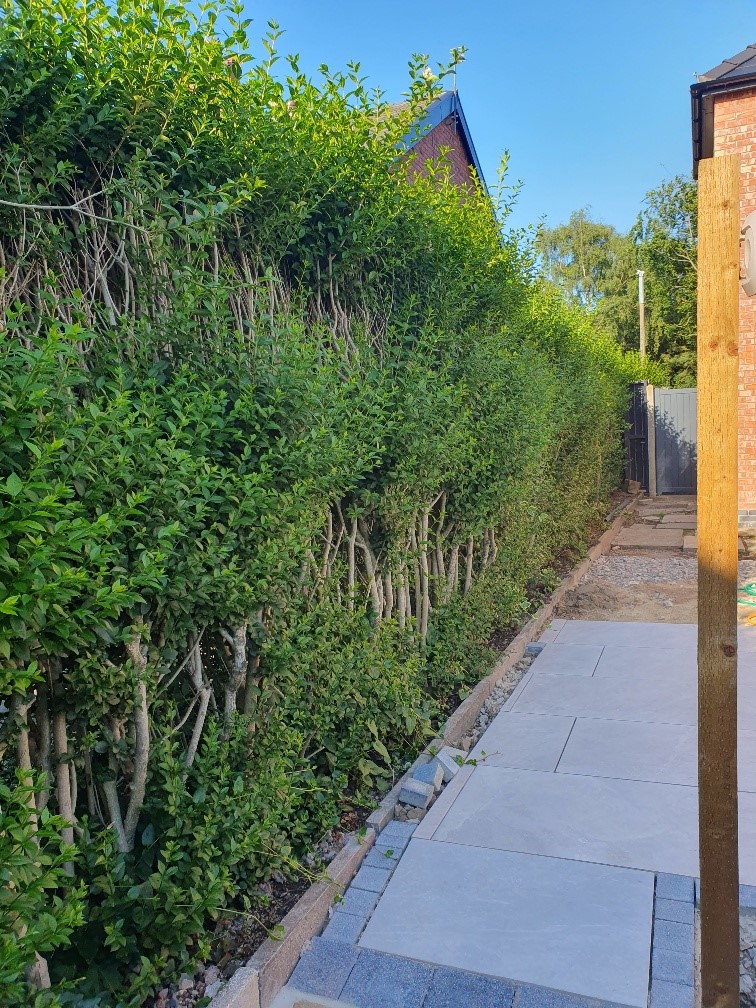
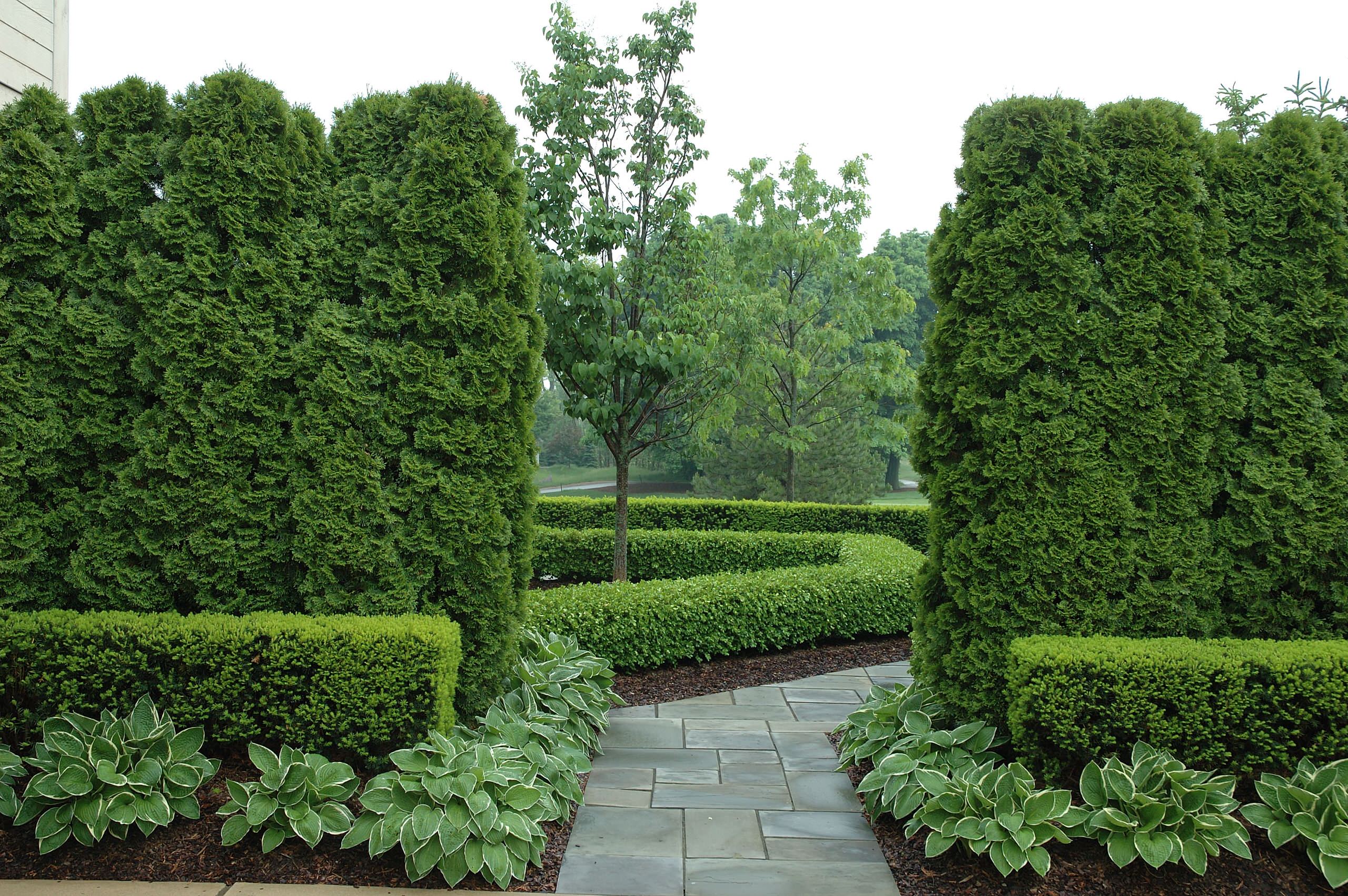
- Arborvitae suits tall privacy hedges, windbreaks, and quick green screens. Columnar forms fit tight spaces.
Personal note: I once planted english yew for a formal courtyard hedge. It took longer to fill in but gave the exact manicured look I wanted. For a neighbor’s tight backyard needing quick privacy, arborvitae delivered results in two growing seasons.

Hardiness, climate, and soil: where each performs best
Know your zone and soil when deciding between english yew vs arborvitae.
- English yew tolerates a wide range of soils but prefers well-drained, loamy soils and partial to full shade. It handles urban pollution and coastal sites well. Cold hardiness can be strong depending on the cultivar.
- Arborvitae prefers moist, well-drained soil and full sun to part shade. Some arborvitae species are hardy to cold zones, but extreme heat and drought can stress them.
Practical advice:
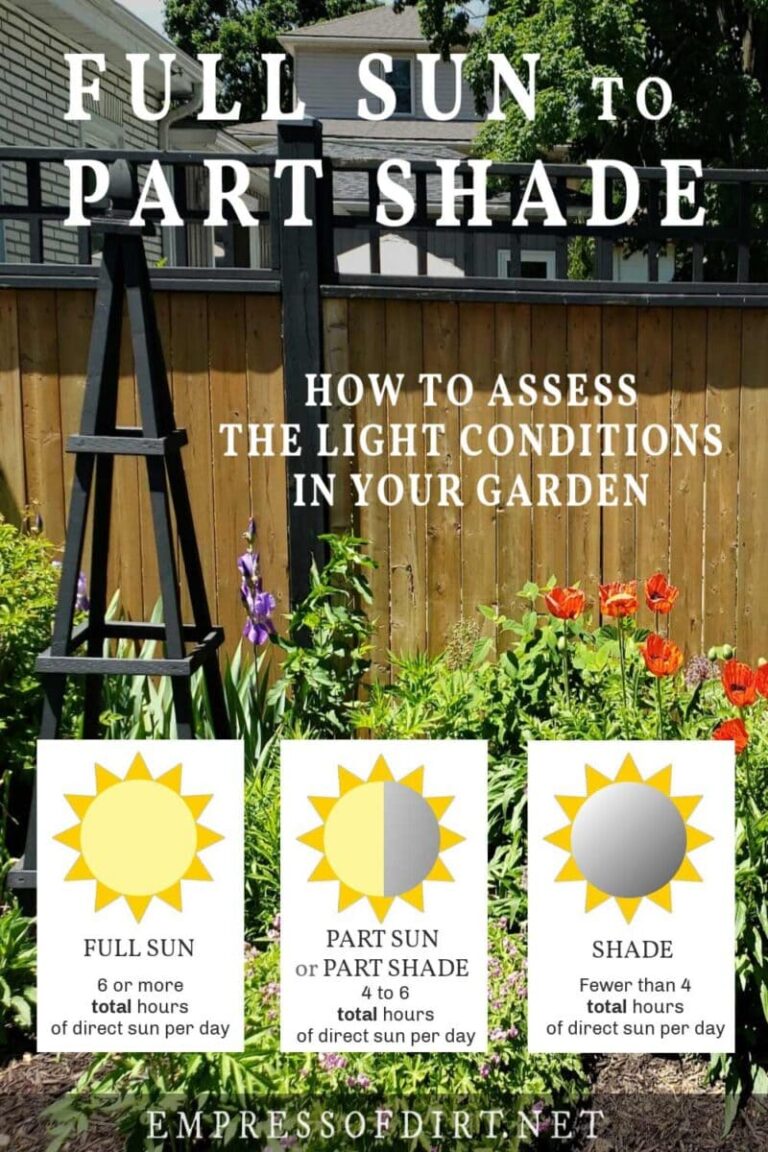
- If you have a shady site, english yew often outperforms arborvitae.
- If your site is sunny and you need quick coverage, arborvitae is usually a better pick.
Uses in landscape and design: choosing based on purpose
Match plant to purpose when considering english yew vs arborvitae.
- Formal hedges and topiary: english yew. It tolerates heavy pruning and shapes cleanly.
- Tall privacy screens: arborvitae. Rapid height and narrow cultivars create effective barriers.
- Foundation planting: both work, but choose dwarf cultivars to avoid blocking windows.
- Mixed borders: english yew blends well with shade-loving perennials. Arborvitae blends with sun-loving shrubs.
Design tip: Mix heights and textures—place english yew near patios for tactile pruning and arborvitae along property lines to block views.
Care and maintenance: pruning, watering, feeding, and propagation
Maintenance needs are a key factor in the english yew vs arborvitae decision.
- Pruning
- English yew tolerates heavy shearing and rejuvenation pruning. You can reduce size even after years with careful cuts into older wood.
- Arborvitae responds well to light shaping but doesn’t handle hard cutting into old wood as reliably; avoid cutting beyond green growth.
- Watering and feeding
- English yew prefers consistent moisture but not waterlogged soil. Feed lightly in spring with balanced fertilizer.
- Arborvitae likes regular watering, especially the first two years. Mulch helps retain moisture.
- Propagation
- English yew is easy to propagate from semi-hardwood cuttings in summer.
- Arborvitae can be propagated from softwood cuttings but may need more care to root.
I learned the hard way to never shears prune arborvitae back to bare stems; the brown core won’t regrow. With english yew, careful rejuvenation saved an overgrown hedge I inherited.
Pests, diseases, and toxicity concerns
Both plants have vulnerabilities and safety considerations that affect where and how you plant them.
- Pests and diseases
- English yew faces scale insects and root problems in poorly drained soils. It’s generally pest-resistant but watch for needle discoloration.
- Arborvitae is susceptible to bagworms, spider mites, and fungal blights like phytophthora in soggy soils.
- Toxicity and pet safety
- English yew is highly toxic. All parts except the fleshy red aril are poisonous to humans and animals if ingested. Even small amounts can be dangerous.
- Arborvitae is less toxic but can cause stomach upset in pets if eaten. It’s not a safe food source.
Safety tip: If you have pets or small children, avoid planting english yew where accidental ingestion could occur.
Cost, availability, and common cultivars
Budget and access influence the english yew vs arborvitae choice.
- Cost and speed
- Arborvitae is often less expensive and available in larger specimens for quick screens.
- English yew can be pricier, especially for high-quality nursery stock and older specimens used for formal hedges.
- Popular cultivars
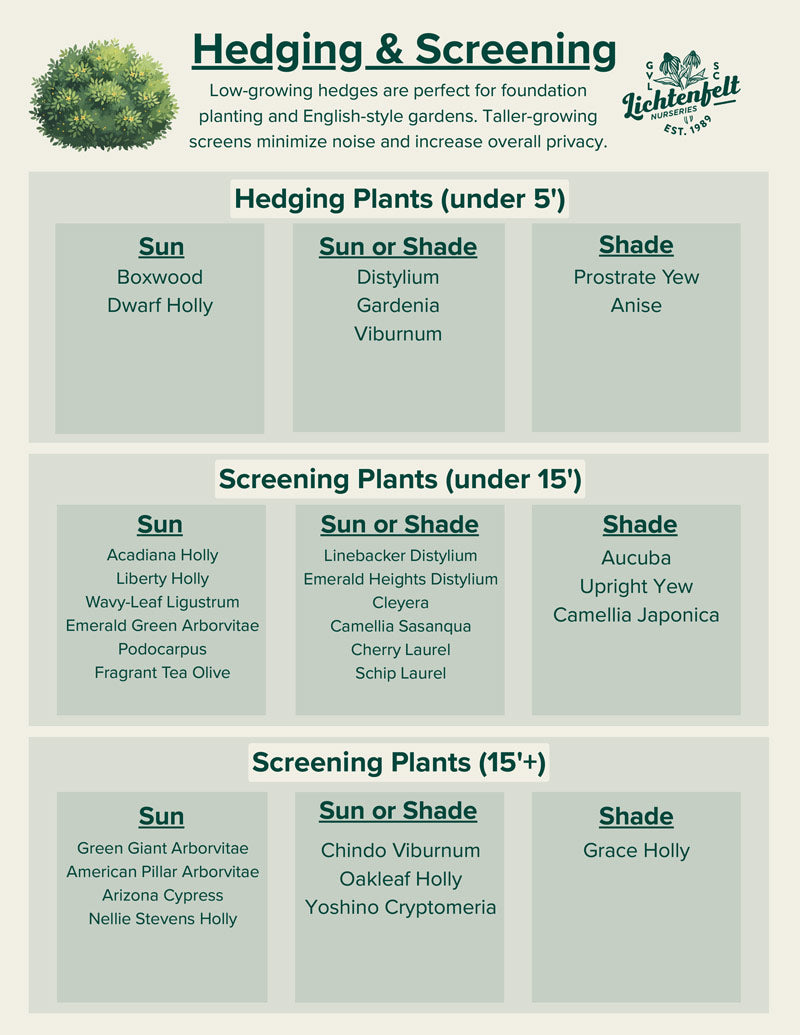
- English yew options include compact and narrow forms for hedging.
- Arborvitae cultivars include globe, columnar, and fast-growing privacy types.
Buying advice: Choose container-grown plants for better establishment. Look for healthy root systems and avoid deeply pot-bound or dried-out specimens.

Personal experience, lessons learned, and practical tips
I’ve planted both species in low-maintenance and high-design settings. From those projects I share these tips:
- Site match matters more than price. Choosing the right plant for the light and soil saves replacement costs.
- Avoid planting arborvitae too deep. Proper planting depth prevents collar rot.
- For formal hedges, buy slightly larger english yew plants to reduce years of training.
- Use drip irrigation and mulch to reduce stress for either plant.
Mistakes to avoid:
- Don’t shear arborvitae too hard; it won’t regrow from old wood.
- Don’t assume english yew is safe around pets—place it away from accessible areas.
Short answers to common PAA-style questions (embedded)
Q: Which is better for a narrow privacy screen?
A: Arborvitae is usually better for narrow privacy screens because many cultivars grow tall and columnar quickly.
Q: Which plant tolerates deep shade better?
A: English yew tolerates deeper shade and often stays healthier in low-light areas than arborvitae.
Q: Can I plant english yew vs arborvitae close together?
A: Yes, but consider root competition and airflow; space them to allow light and reduce disease risk.
Frequently Asked Questions of english yew vs arborvitae
Are english yew and arborvitae both evergreen year-round?
Yes. English yew and arborvitae are evergreen and keep foliage through winter, providing year-round color and privacy.
Which grows faster, english yew or arborvitae?
Arborvitae typically grows faster. English yew grows more slowly, which can be an advantage for formal shaping.
Is english yew safe around pets and children?
No. English yew is highly toxic. Keep it away from areas where ingestion by pets or children is possible.
Can arborvitae handle drought and heat?
Some arborvitae tolerate short dry spells, but most prefer consistent moisture; prolonged drought or extreme heat can cause decline.
Which is easier to prune into shapes and topiary?
English yew is easier to shape for formal hedges and topiary because it tolerates heavy pruning into older wood.
How close should I plant arborvitae for a privacy hedge?
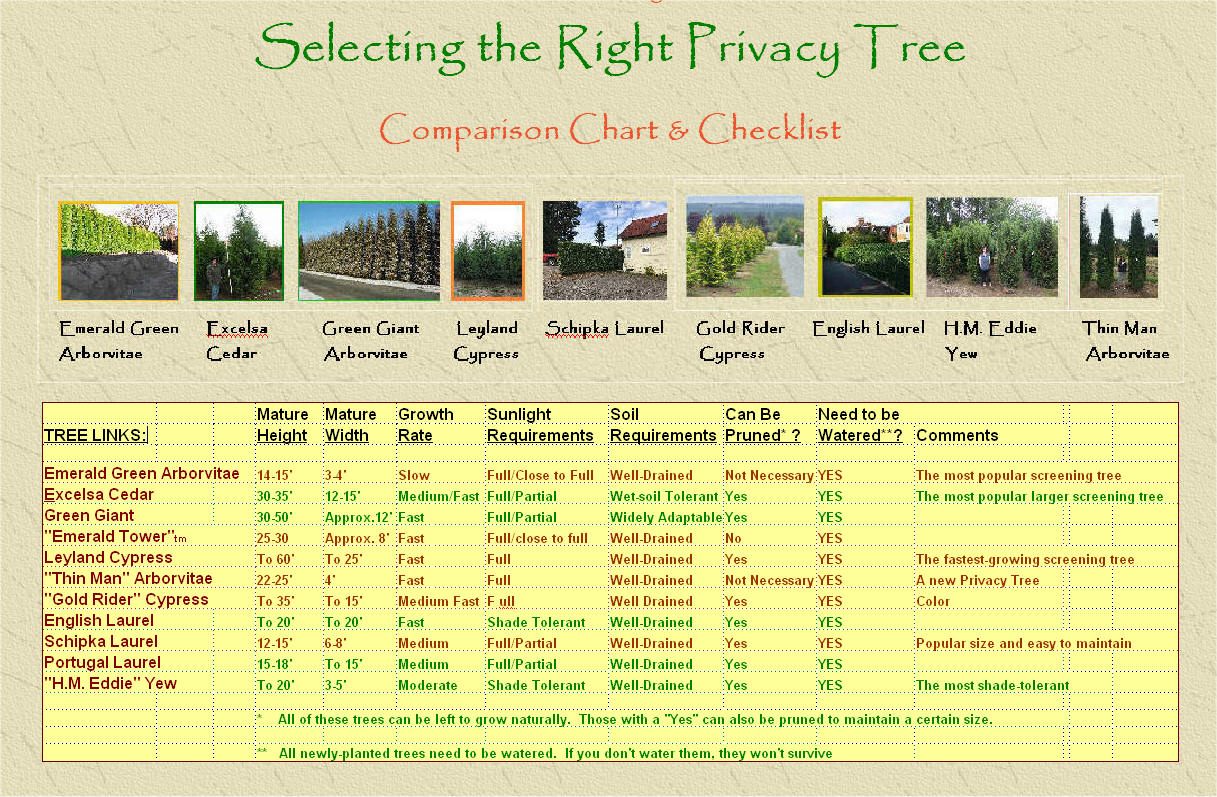
Plant columnar arborvitae 3 to 5 feet apart for a dense screen, depending on cultivar and mature spread.
Conclusion
English yew vs arborvitae each have clear strengths: english yew offers dense, shapeable, shade-tolerant evergreen structure but is slower and highly toxic, while arborvitae grows quickly into narrow screens and is often the economical choice for privacy. Choose based on light, soil, desired speed of establishment, and safety needs. Act now by measuring your site, checking hardiness zone, and selecting cultivars that match your design goals. If you enjoyed this guide, leave a comment about your yard goals or subscribe for more practical plant-by-plant advice.