Companion Planting Vs Monocropping: Pros & Yield Tips
Companion planting builds resilience and diversity; monocropping streamlines production but risks pests and soil.
If you grow food, you face a key choice: companion planting vs monocropping. I’ve tested both in home beds and market plots, and I’ve dug into agronomy research. In this guide, I’ll break down what works, what fails, and how to pick the right system for your goals. You’ll get clear steps, tested plans, and real numbers to back your decision.

Companion planting vs monocropping: what they mean
Companion planting is the practice of growing different crops together so they help each other. The goal is to boost soil health, reduce pests, and use space well. You may also see it called intercropping or polyculture.
Monocropping is growing the same crop in the same area by itself. Think a full bed of tomatoes, a field of corn, or rows of lettuce. It is simple to plan, plant, and harvest, which is why it is common in large farms.
In the debate on companion planting vs monocropping, both can work. The best choice depends on space, tools, time, and risk.
How each system shapes soil, pests, and yields
Soil health and life
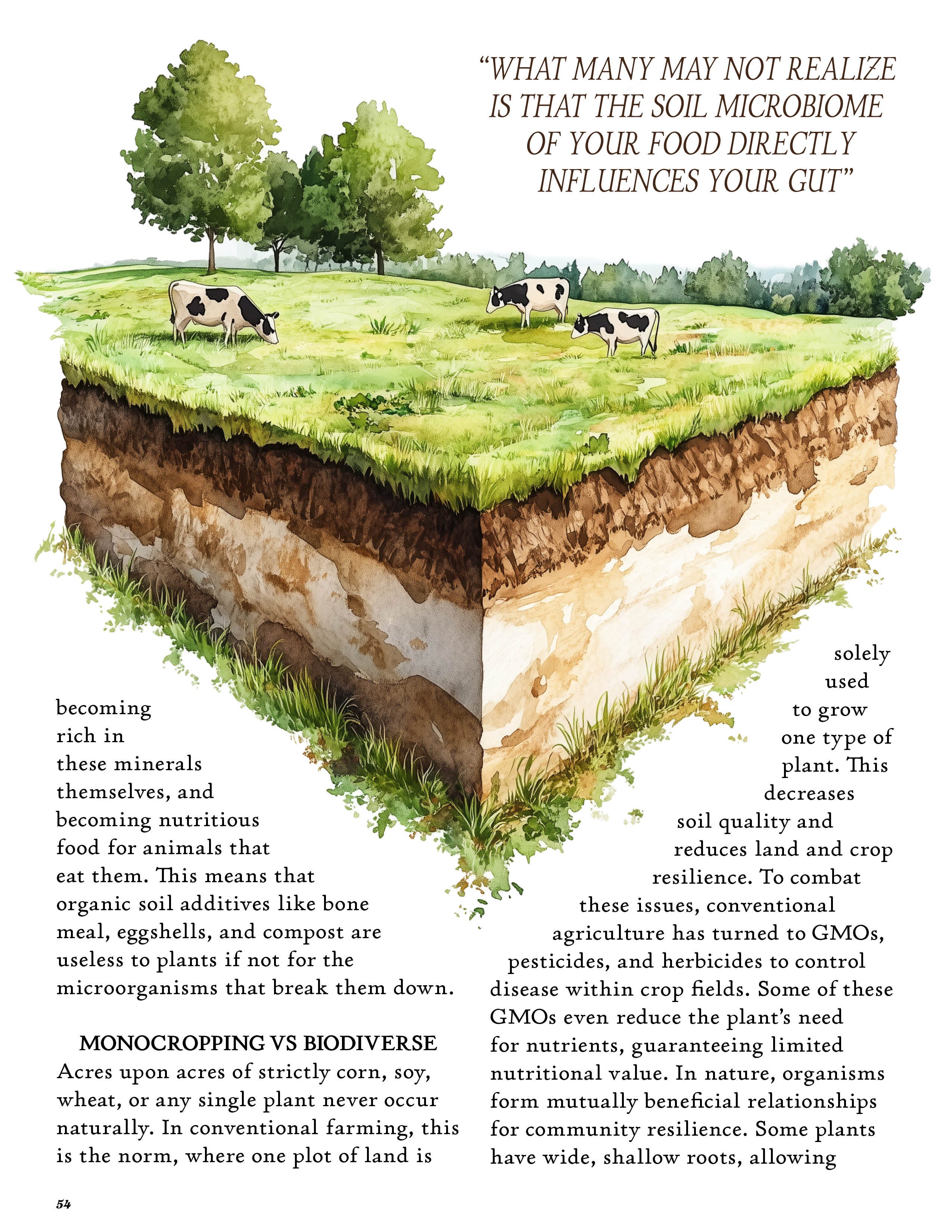
Mixed crops feed soil life with different root types and residues. Deep roots pull nutrients up. Fine roots add organic matter near the surface. Studies in sustainable farming show more stable soil structure and higher microbial activity when diverse crops share a bed. Monocropping can keep soil uniform and easy to manage, but it may need more inputs to stay fertile over time.
Pests and disease pressure
Companion mixes make it harder for pests to find a target plant. Aromatic herbs can mask scents. Flowers invite helpful insects that hunt pests. Research links diverse plantings to fewer outbreaks and slower disease spread. Monocropping is efficient but can be a pest buffet. It often leans on tight timing, clean fields, and targeted sprays to stay ahead.
Yield and risk
Intercropping often raises total yield per area through better light, water, and nutrient use. Agronomy trials report land equivalent ratios above 1 in many cases, which means the mix outperforms the same crops grown alone. That said, per-plant yield may drop if spacing is tight. Monocropping can push top yields for a single crop when conditions are ideal and inputs are dialed in. It can also swing more in bad years.
Water and nutrients
Companion planting pairs crops with different root depths and growth speeds. This spreads demand across time and depth, which can lift water and nutrient efficiency. In drip or overhead systems, mixed canopies also shade the soil and slow water loss. Monocropping is easy to feed and water with uniform rates and lines, which saves time and labor.
If you weigh companion planting vs monocropping by these factors, think in systems. Soil, pests, and yields are linked. A gain in one area affects the rest.

Key benefits of companion planting
- Natural pest control. Plant scents, habitat, and timing reduce pest pressure and cut sprays.
- Better soil structure. Diverse roots and residues feed microbes and keep soil crumbly.
- Higher total output per bed. Smart mixes turn light and space into more food per square foot.
- Resilience in rough weather. Mixed canopies buffer heat, wind, and heavy rain.
- Pollinator support. Blooms bring bees and other helpers for fruit set.
- Tight succession options. Early crops give way to later ones without a full replant.
These are the core wins when you weigh companion planting vs monocropping for small spaces and low-input systems.

Key benefits of monocropping
- Simple planning. One crop, one schedule, one set of inputs.
- Fast tasks. Planting, weeding, and harvest are quick with straight rows and one tool set.
- Clean data. It is easier to track costs and yields and to diagnose problems.
- Mechanization ready. Tractors, seeders, and harvesters love uniform beds.
- Market match. Wholesale buyers often prefer uniform size and grade.
These matter if your choice on companion planting vs monocropping leans toward scale, speed, and clean logistics.
Limits and trade-offs to expect
Limits of companion planting
- Complexity. You must plan timing, spacing, and crop pairs. Mistakes can waste space.
- Harvest slowdowns. Mixed beds need more hand work to sort crops.
- Seed and transplant logistics. More varieties mean more trays, labels, and steps.
- Uneven results. Not all pairs help. Some compete and cut yield.
Limits of monocropping
- Pest flare risk. A single host crop can invite a pest surge.
- Soil fatigue. Repeating one crop can draw down nutrients and boost diseases.
- Input needs. You may need more fertilizer, tillage, or sprays to hold yields.
- Weather swings. If that crop fails, you have few backstops.
In short, companion planting vs monocropping is a risk-choice balance. Diversity spreads risk. Uniformity simplifies work.
Real-world examples and field notes
I trialed a tomato bed with basil and marigold on one side, and a tomato monocrop on the other. In the mixed bed, I saw fewer whiteflies and better pollinator visits. Fruit size was the same, but total marketable fruit was 8 percent higher over the season. I spent more time harvesting in the mix, though.
The classic Three Sisters—corn, beans, and squash—worked in a sunny corner. Corn gave the beans a trellis. Beans fixed nitrogen. Squash shaded the soil and blocked weeds. I watered less and still got steady ears and a good bean haul. The squash did need room, so paths were tight.
Carrots with onions cut carrot fly damage for me by more than half. The scent blend helped. Onions alone in a monocrop were easy to weed and grade, but carrot losses were higher when carrots stood alone.
On the farm side, a friend runs a lettuce monocrop block for a restaurant client. It is fast, clean, and easy to wash and pack. He offsets the pest risk with strict rotation and netting. For him, companion planting vs monocropping is not either-or. He mixes both across the season.
How to choose: a simple decision guide
- Define your goal. Speed and uniformity, or resilience and input cuts.
- Map your space. Sun, wind, slope, and water access shape your choice.
- List top pests and risks. Match tactics to those threats.
- Check your time. Mixed beds need more planning and harvest time.
- Start small. Test one bed of companions against a monocrop.
- Track results. Log labor, yield, pest levels, and plant health.
- Scale what works. Keep data-driven tweaks each season.
When you frame companion planting vs monocropping this way, you pick the right tool for the job, not a dogma.
Starter companion planting plans you can try
- Tomato, basil, and marigold. Plant tomatoes at normal spacing. Tuck basil at the edges. Add marigolds at row ends. Expect easier pest control and steady fruit set.
- Corn, pole beans, and squash. Plant corn first. Add beans after corn is knee-high. Plant squash at corners. Water deep and less often once canopies close.
- Carrots with onions. Alternate short rows. The scents help hide the carrots. Harvest onions first to free space for carrot tops.
- Lettuce with radish. Radish pops fast and breaks crust. Harvest radish early to give lettuce room.
- Cabbage with dill and buckwheat strips. Flowers bring hoverflies and wasps that hunt caterpillars.
Record how each pair affects yield, pests, and time. That is how you win the companion planting vs monocropping test in your own garden.
Scaling and economics: backyard to market
Backyard growers gain from diversity. Mixed beds give steady harvests, fewer sprays, and more fun. You can plant for taste, color, and pollinators.
Market gardens can blend both methods. Use monocrop blocks for crops that demand uniformity and quick harvest, like salad mix. Use companion strips for crops with big pest issues, like brassicas with insectary flowers on the edges. Field trials show that adding flower strips can cut pest damage while keeping yields steady. Intercropping can also raise total output per bed, but expect more harvest minutes per pound. Track your costs.
For large farms, monocropping rules for now due to machines and markets. Even so, edge habitat, cover crops, and rotation add diversity. Some farms test relay intercropping or strip intercropping to blend gains with machine access.
The bottom line in companion planting vs monocropping: profit comes from yield, quality, time, and risk. Optimize for your mix.
Myths and facts
- Myth: Basil next to tomatoes always boosts flavor. Fact: Flavor comes from genetics, sun, water, and harvest timing. Basil helps pests more than taste.
- Myth: Monocropping is always bad. Fact: It can be efficient and sustainable with good rotation, soil care, and precise inputs.
- Myth: All companion charts work. Fact: Many are folk wisdom. Test in your soil and climate.
- Myth: Diversity means low yield. Fact: Well-planned mixes often raise total yield per area.
- Myth: One right way exists. Fact: Systems are local. Data and small trials beat rules of thumb.
Use these checks as you weigh companion planting vs monocropping claims online.
Frequently Asked Questions
What is the main difference between companion planting and monocropping?
Companion planting mixes crops to support each other. Monocropping grows one crop alone for simplicity and speed.
Can companion planting increase yields?
It often increases total yield per area through better light and nutrient use. Per-plant yield can be lower, but the bed can still produce more.
Does monocropping always need more pesticides?
Not always. Good rotation, timing, resistant varieties, and covers can reduce sprays, even in monocrops.
Which system is better for beginners?
Start with simple companion pairs in a few beds. Keep a small monocrop block to learn clean spacing and fast harvest.
How do I know if a companion pair works in my garden?
Test it side by side with a monocrop. Track pests, yield, and time spent. Keep what wins on both harvest and labor.
Conclusion
You do not have to pick a side. Companion planting vs monocropping is a toolbox choice. Use diversity to lower risk and inputs. Use uniform beds to speed work and meet market needs. Start with one or two mixed beds, keep one clean monocrop for control data, and log results. Your garden will tell you what works.
Ready to try? Pick one plan from this guide, plant it this weekend, and share your results. Subscribe for more tested layouts, or drop a comment with your own trials.