Organic Gardening Vs Conventional Gardening: 2026 Guide
Organic favors soil-first, fewer synthetics; conventional prioritizes yield, speed, and convenience.
If you want a clear, honest take on organic gardening vs conventional gardening, you are in the right place. I have grown food both ways for years. I will show what works, what does not, and why. You will see a simple breakdown of organic gardening vs conventional gardening, backed by research and real plots. By the end, you will know which path fits your budget, time, and goals.
What Is Organic Gardening?
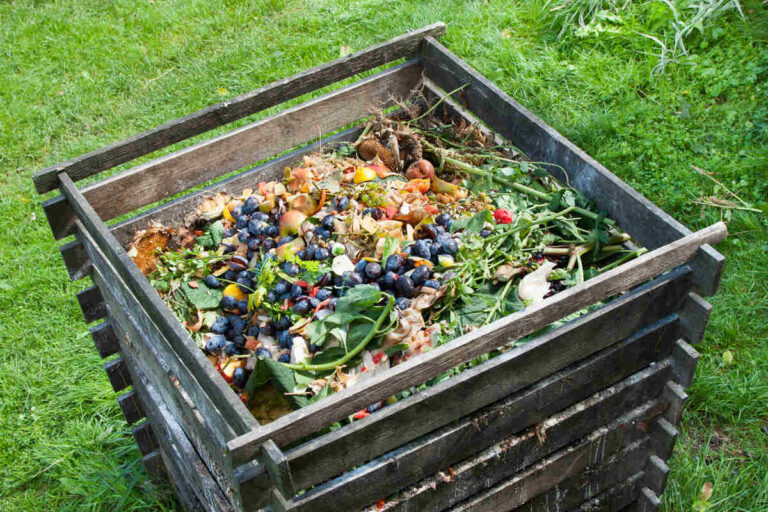
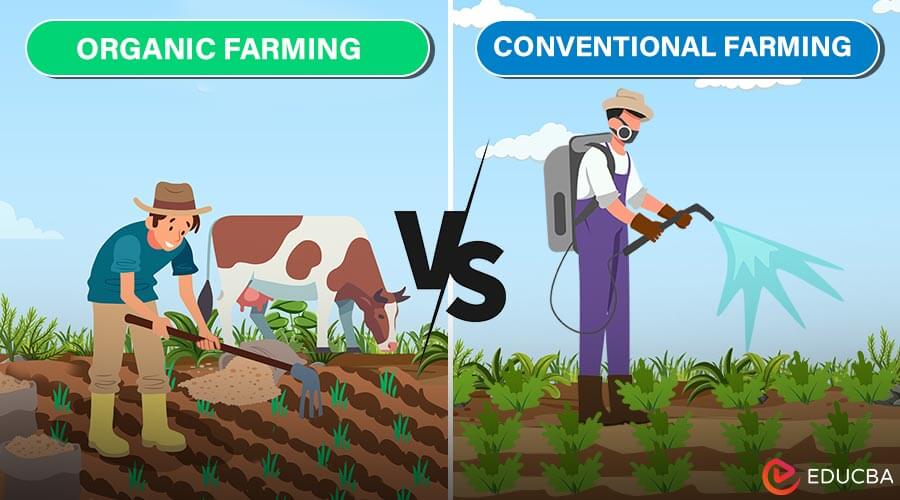
Organic gardening avoids synthetic fertilizers and most synthetic pesticides. It builds life in the soil with compost, manure, mulches, and cover crops. It uses natural pest controls like beneficial insects, traps, and targeted bio-based sprays.
At its core, organic treats the garden as an ecosystem. You feed the soil so the soil feeds the plants. You rotate crops. You encourage biodiversity. You focus on prevention over cure. Seeds and starts may be organic certified, but good practice matters more than labels in a home garden.
Many gardeners blend methods. That is fine. You do not need to be perfect to be organic-leaning. You can reduce inputs step by step and still see great results.
What Is Conventional Gardening?
Conventional gardening focuses on fast plant growth and reliable yields. It uses synthetic fertilizers for quick nutrients. It allows a wider set of pesticides and herbicides when pests show up. It may till more often and rely on plastic mulch.
This path reduces guesswork. Labels give exact rates. You can correct problems fast. It suits busy people who want a clear schedule and quick wins. It can also be done with care. Many conventional gardeners use integrated pest management and protect pollinators.
In home plots, GM seeds are rare. Most choices are about fertilizer types, pest tools, and how you care for soil. You can still build healthy soil in a conventional plan if you add compost and reduce tillage.
Organic Gardening vs Conventional Gardening: Key Differences
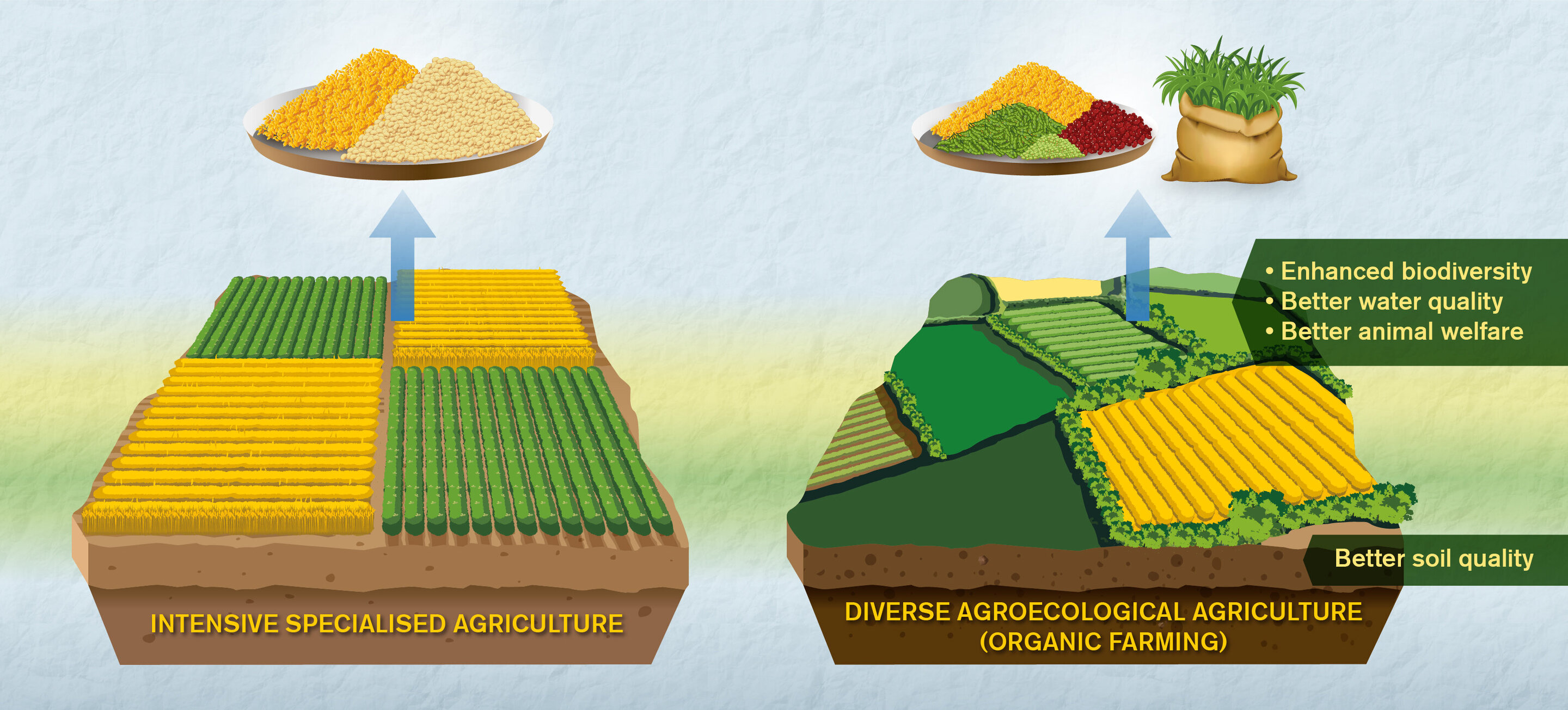
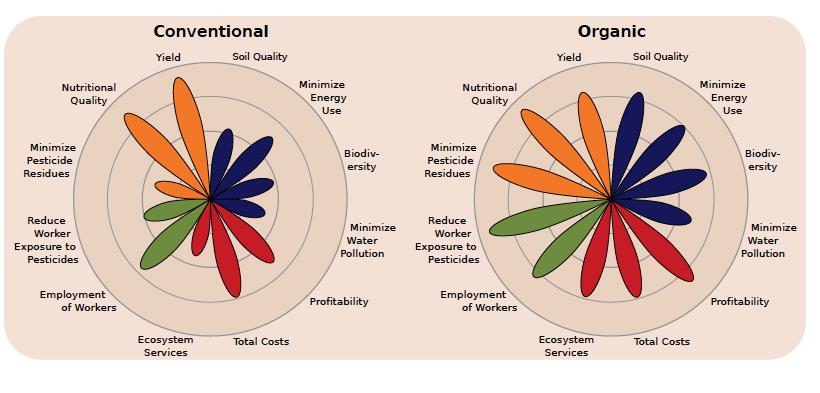
- Inputs. Organic uses compost, manure, rock dusts, and bio-based sprays. Conventional uses synthetic NPK, fungicides, insecticides, and pre-emergent herbicides.
- Philosophy. Organic gardening vs conventional gardening splits on prevention vs intervention. Organic leans on systems. Conventional leans on products and timing.
- Soil health. Organic grows soil life and organic matter. Conventional feeds plants directly and may disturb soil more often.
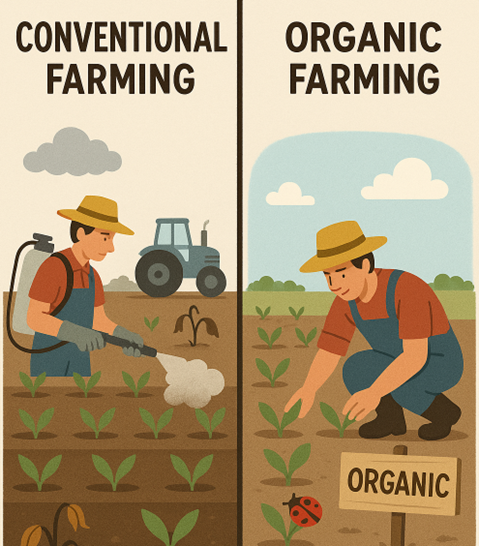
- Pests. Organic relies on exclusion, habitat for allies, and least-toxic tools. Conventional has more chemical options and faster knockdown.
- Cost and labor. Organic can cost less in inputs but more in labor. Conventional can save time but may cost more each season.
- Risk. Organic risk is slower response to outbreaks. Conventional risk is resistance, residues, and runoff if misused.
Source: arc2020.eu
Soil Health, Water, and Biodiversity
Healthy soil acts like a sponge and a pantry. Compost and roots boost soil organic matter. This improves water holding and nutrient release. In long trials, organic plots often show higher soil carbon and better structure.
Microbes matter. Mycorrhizae help roots reach water and minerals. They thrive when you add compost and avoid harsh salts. Mulch keeps soil cool and moist. Cover crops feed soil in the off-season and reduce erosion.
Biodiversity is your insurance. Flowers attract pollinators and predators. Hedge rows, native plants, and mixed beds reduce pest pressure. This is a core edge in organic gardening vs conventional gardening over the long run.
Pest and Disease Management Strategies
Start with prevention. Choose resistant varieties. Space plants for airflow. Water at the base. Rotate families each year. These steps slash disease risk in both systems.
Organic tools include row covers, hand picking, traps, neem, Bt, and oils. They work best when used early. Conventional tools include synthetic insecticides and fungicides with faster action. With any spray, read the label and protect bees. Spray at dusk. Avoid bloom.
I learned to scout twice a week. A 10-minute walk beats a 10-hour rescue. Catch aphids or mildew early and you win. In organic gardening vs conventional gardening, timing is the great equalizer.
Yields, Costs, and Labor: What to Expect
Yields. Meta-analyses often show conventional yields are higher on average. The gap ranges from small to moderate. With good soil and smart varieties, organic yields can be very close. In drought, organic beds often hold steady due to better water retention.
Costs. Organic inputs like compost can be low-cost or even free. Synthetic fertilizer is simple but can add up. Sprays cost money in either system. Tools and irrigation are similar for both.
Labor. Organic may need more hand weeding and mulching. Conventional saves time with pre-emergent herbicides. Your own time budget is key in choosing between organic gardening vs conventional gardening.
Food Safety and Nutrition
Pesticide residues are generally lower in organic produce. That does not mean conventional produce is unsafe. Agencies set strict limits and test foods often. Washing and peeling lower residues in both cases.
Nutrition is more complex. Some reviews show small gains in certain antioxidants in organic crops, but results vary by crop and soil. Freshness and variety often matter more. Grow what you will eat fast and often.
Food safety starts with clean water, clean tools, and clean hands. Compost must be mature. Keep pets out of beds. These steps matter in organic gardening vs conventional gardening alike.

Climate and Sustainability
Nitrogen fertilizer has a carbon cost. Manufacturing and transport add emissions. Overuse can lead to runoff and algal blooms. Good management reduces this risk.
Organic systems store more carbon in soil over time. Mulch and cover crops lock carbon below ground. Reduced till keeps it there. However, if organic yields drop a lot, land use can offset gains. Balance is the goal.
In my beds, a thick wood chip path and leaf mulch cut water use by about a third. The soil stayed cool in a heat wave. Plants bounced back fast after stress.
How to Choose: A Simple Decision Guide
- Your goal. If you want peak speed and simple routines, conventional can help. If you love soil life and long-term balance, organic fits well.
- Your time. Short on time? Conventional tools can save hours. Enjoy the process? Organic invites hands-on care.
- Your site. Poor soil and heat? Organic mulches and compost shine. Pest hot spot? Conventional tools may help you stabilize first.
- Your values. If residues or biodiversity are top concerns, organic gardening vs conventional gardening will point you toward organic steps.
- Your budget. Start small. Try one bed organic, one conventional. Track cost, time, and yield.
Getting Started: Practical Steps for Either Path
Organic quick-start
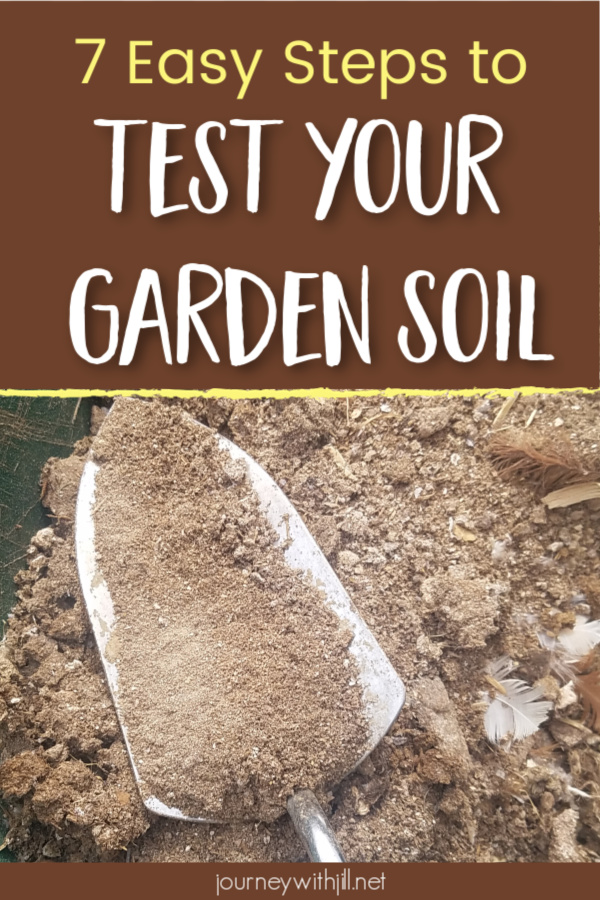
- Test soil. Add compost based on results.
- Mulch 2 to 3 inches to save water and block weeds.
- Plant disease-resistant varieties. Rotate families yearly.
- Use row covers early. Spot-spray with Bt, oils, or soaps as needed.
Conventional quick-start
- Test soil. Apply balanced synthetic fertilizer as labeled.
- Use pre-emergent in paths, not in beds with seeds.
- Scout weekly. Use targeted fungicide or insecticide only when thresholds are met.
- Add compost each season to protect soil structure.
Blended approach
- Feed soil with compost. Use a quick synthetic boost only if needed.
- Focus on prevention. Keep one or two least-toxic sprays on hand for rescue.
- This blended path suits many home gardeners deciding on organic gardening vs conventional gardening.
My Experience: Lessons Learned from Switching Systems
I began with a strict conventional plan. The lettuce was huge but bolted fast. The soil crusted after rain. I spent more on quick fixes.
Then I tried organic beds with heavy mulch and compost. Yields took a small dip at first. In year two, they jumped. Weeds fell. The soil smelled like a forest floor. Pests were fewer and easier to manage.
Big lessons
- Scout early, act early. This beats any product choice.
- Mulch is magic. It saves water and time.
- Compost is slow power. It pays back next season and beyond.
- Keep a rescue plan. Even in organic, I keep Bt and neem nearby.
- Track notes. Data beats memory in organic gardening vs conventional gardening decisions.
Frequently Asked Questions of organic gardening vs conventional gardening
Is organic gardening more expensive than conventional gardening?
It depends on your inputs. Homemade compost and mulch are cheap, while store-bought organics can add up. Conventional fertilizers are simple, but repeated sprays can cost more over time.
Do organic gardens always yield less?
Not always. With rich soil, good timing, and drought-smart mulch, organic yields can match or be close to conventional. The gap tends to shrink as soil health improves.
Are conventional pesticides unsafe to use at home?
Products approved for home use have labels and safety rules. Follow them closely and protect bees and kids. Use the right product at the right time, and avoid overuse.
Does organic food have more nutrients?
Results are mixed. Some studies show higher antioxidants in certain organic crops, but many factors play a role. Freshness, variety, and soil quality make a big difference.
Which is better for the environment?
Organic often builds soil carbon and supports biodiversity. Conventional can be efficient but risks runoff and resistance if mismanaged. Good practices can reduce harm in both systems.
Can I mix organic and conventional methods?
Yes. Many gardeners blend methods to fit time, budget, and values. This hybrid path often delivers strong results with fewer inputs.
How long does it take to improve soil with organic methods?
You can see small gains in one season. Bigger changes in structure and water holding often show after one to three years. Consistency is key.
Conclusion
Both paths can grow great food. Organic builds soil life and long-term resilience. Conventional offers speed and clear steps. Your best choice depends on time, budget, and values.
Start small. Test one bed with organic methods and one with conventional. Track cost, hours, yield, and taste. Then commit to what works. Ready to dig deeper? Subscribe for more guides, or drop a comment with your garden goals and questions.