How To Prepare Garden Soil: Easy Steps For Success
The best way to prepare garden soil is to test it, improve its texture, add organic matter, and loosen it well.
Getting garden soil ready is one of those jobs that pays you back all season long. I’ve seen beds go from tired and compacted to rich, easy-to-work, and full of life just by taking a few smart steps before planting. If you want stronger roots, better water flow, and healthier plants, learning how to prepare garden soil the right way makes all the difference.

Why garden soil preparation matters
Good soil is like a good home. It holds water, gives roots air, and stores nutrients plants need to grow. When soil is poorly prepared, even strong plants can struggle, no matter how much you water or feed them.
I learned this the hard way early in my gardening years. I planted tomatoes in a bed that looked fine on top, but the soil beneath was packed hard like brick. The plants stayed small, the leaves curled in heat, and the harvest was weak. After that, I stopped treating soil like a side task and started treating it like the foundation it is.
Healthy garden soil helps with:
- Better root growth
- Stronger nutrient uptake
- Improved drainage
- Better moisture retention
- Fewer plant stress problems
If you want to know how to prepare garden soil for vegetables, flowers, or raised beds, the same core ideas apply. Start with the soil you have, then improve it step by step.
Start with a soil test
Before you dig, mix, or add anything, test the soil. A soil test tells you the pH level and basic nutrient levels, which helps you avoid guessing. That matters because too much lime, fertilizer, or compost can create new problems.
Most garden soil does best with a pH near neutral, though some plants prefer slightly acidic or slightly alkaline conditions. For example, blueberries like more acidic soil, while many vegetables grow well in soil that is close to 6.0 to 7.0.
A basic soil test can show:
- pH level
- Nitrogen, phosphorus, and potassium levels
- Organic matter content
- Possible nutrient imbalances
If your local extension office offers soil testing, that is often the most reliable option. You can also use home test kits, though they are usually less detailed.
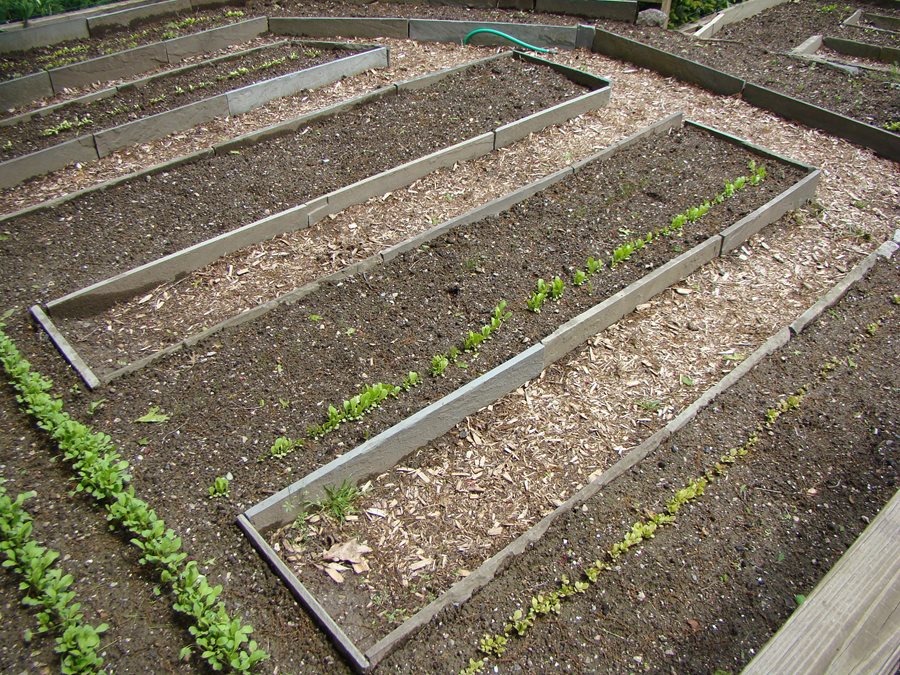
Clear the area and remove weeds
Once you know what the soil needs, clear the bed. Remove weeds, grass, rocks, roots, sticks, and old plant debris. Weeds compete for water and nutrients, and many pests and diseases can hide in leftover material.
If the bed is full of tough perennial weeds, take extra care. Pulling only the top growth often leaves roots behind, and those roots can regrow fast. I have found that it helps to remove weeds when the soil is slightly damp, because the roots come out more cleanly.
A clean bed gives you a fresh start and makes the rest of the work easier.
Check the soil texture and structure
Soil texture is about the mix of sand, silt, and clay. Structure is how those particles clump together. Together, they control how well the soil drains, holds water, and supports roots.
Here is the simple version:
- Sandy soil drains fast but dries out quickly
- Clay soil holds water but can become heavy and sticky
- Loamy soil is the sweet spot for most gardens
You do not need perfect soil to grow a good garden. You just need soil that drains well enough and stays loose enough for roots to spread. When I work with heavy clay, I never try to “fix” it all at once. I improve it little by little with organic matter, which is safer and more effective.
Loosen compacted soil
Compact soil makes it hard for roots, air, and water to move. If your soil feels tight or forms hard clumps, loosen it before planting. Use a garden fork, spade, or broadfork to lift and open the soil without turning it into dust.
Try to work the soil when it is moist but not wet. If it is too wet, you can damage the structure. If it is too dry, it may resist breaking apart.
Good soil should feel crumbly, not like a cement block. Think of it as making space for roots to breathe.
Add organic matter
Organic matter is the heart of good garden soil. Compost, well-rotted manure, leaf mold, and similar materials improve structure, feed soil life, and help with moisture balance. In my own beds, compost has been the single most useful improvement year after year.
Add 2 to 4 inches of compost over the surface and work it into the top 6 to 8 inches of soil if needed. For no-dig gardening, you can leave it on top and let worms and microbes pull it down over time.
Benefits of adding organic matter include:
- Better drainage in clay soil
- Better water retention in sandy soil
- More nutrients for plants
- Improved soil life
- Easier digging and planting
A healthy soil mix is not just dirt. It is a living system.
Adjust pH only if needed
After testing, you may need to adjust soil pH. This matters because nutrients can be present in the soil but still unavailable to plants if the pH is off.
To raise pH, gardeners often use lime. To lower pH, they may use sulfur or other acidifying materials. But I always suggest making small changes and retesting later. Big corrections can take time and may overshoot the mark.
Only adjust pH when the test shows a real need. Blind correction is one of the most common mistakes I see.
Improve drainage or water retention
Not all garden soil has the same problem. Some soil stays soggy after rain, while other soil dries too fast. Your preparation should match the issue.
If drainage is poor:
- Add compost and coarse organic matter
- Avoid overworking wet clay
- Consider raised beds
- Shape beds slightly higher in heavy soil areas
If soil dries too fast:
- Add more compost
- Mulch after planting
- Use organic matter that improves moisture holding
- Water deeply and less often
The goal is balance. Soil should hold enough water for roots, but not so much that roots suffocate.
Feed the soil, not just the plants
One lesson I learned from years of gardening is this: plants do better when the soil is fed first. Soil life turns organic matter into usable nutrients over time. That is why healthy soil often produces stronger, more resilient plants than quick-fix feeding alone.
You can support soil fertility with:
- Compost
- Worm castings
- Aged manure
- Cover crops
- Slow-release organic fertilizers if a soil test shows a need
Avoid piling on fertilizer just because plants look weak. Sometimes the real issue is poor structure, low organic matter, or bad drainage.
Use mulch after preparation
Once your bed is ready and plants are in, mulch helps protect your work. Mulch reduces weeds, keeps the soil cooler, and slows water loss. It also protects soil from crusting and erosion.
Good mulch options include:
- Shredded leaves
- Straw
- Grass clippings that are free of herbicides
- Wood chips for paths and perennial beds
- Compost as a light top layer
Leave a small gap around stems so the mulch does not trap moisture against the plant. That helps prevent rot.
Prepare soil by garden type
Different gardens need slightly different preparation. The basics stay the same, but the setup changes a little.
Vegetable garden soil
Vegetables usually need rich, loose, well-drained soil. Focus on compost, balanced fertility, and plenty of sun. Root crops like carrots need especially fine, stone-free soil so they can grow straight.
Flower bed soil
Many flowers prefer soil that drains well and is not overloaded with fertilizer. Too much nitrogen can create lush leaves but fewer blooms. Add compost, then match the soil to the plants you want.
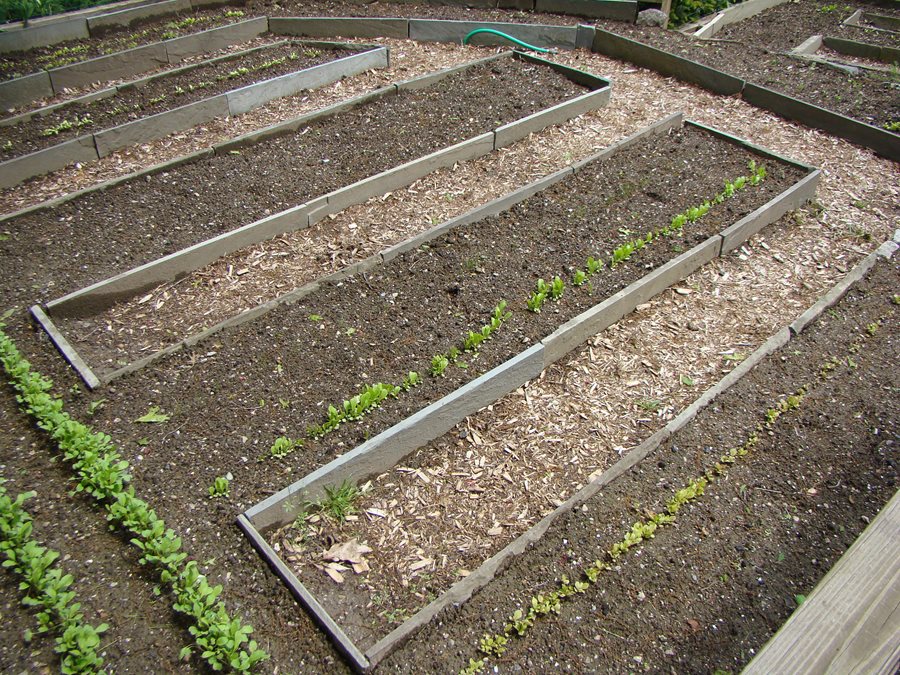
Raised bed soil
Raised beds give you more control. A common mix includes topsoil, compost, and a drainage-friendly amendment like coconut coir or peat-based material, depending on your preference. The key is keeping the mix light, fertile, and airy.
New ground or lawn-to-garden soil
If you are turning grass into garden space, remove as much turf as possible first. Then loosen the soil, add compost, and let the bed settle before planting. This type of project often benefits from a season of soil building before the space is fully planted.

Common mistakes to avoid
A lot of garden soil problems come from trying to do too much too fast. Soil improvement works best when it is steady and thoughtful.
Watch out for these mistakes:
- Working soil when it is too wet
- Adding sand to clay in large amounts, which can make a cement-like mix
- Using fresh manure near young plants
- Skipping the soil test
- Overfertilizing
- Leaving compacted ground untouched
- Ignoring weeds before planting
The biggest mistake is usually impatience. Soil improvement is not a one-day fix. It is more like building a strong recipe over time.
How to prepare garden soil step by step
Here is a simple process you can follow:
- Test the soil to check pH and nutrients
- Clear weeds, rocks, and old debris
- Check drainage and texture
- Loosen compacted areas with a fork or spade
- Add 2 to 4 inches of compost or other organic matter
- Mix amendments into the top layer if needed
- Adjust pH only if the test shows it is necessary
- Level the bed and water lightly
- Add mulch after planting
This approach works well for most home gardens because it is practical, affordable, and easy to repeat each season.
How often should you improve garden soil?
Most gardens benefit from annual soil improvement. Adding compost each year slowly builds healthier soil and supports microbial life. If your garden is heavily used, crops are demanding, or the soil started poor, you may need more frequent care.
A good rule is to refresh the top layer before each growing season. In my own garden, even beds that look “done” on the surface often improve a lot after one new layer of compost and mulch.
Frequently Asked Questions of how to prepare garden soil
How deep should I prepare garden soil?
For most home gardens, prepare the top 6 to 8 inches of soil. That gives roots enough room to spread while keeping the work manageable.
Can I plant directly into poor soil?
You can, but results are often weaker. It is better to improve the soil first with compost and basic cleanup, especially for vegetables and flowering plants.
What is the best thing to add to garden soil?
Compost is usually the best all-around addition. It improves structure, supports soil life, and helps both sandy and clay soil.
Should I till the soil every year?
Not always. Light loosening is often enough, and too much tilling can damage soil structure over time. Many gardeners now prefer less disturbance and more compost.
How do I know if my soil is ready for planting?
It should feel loose, crumbly, and easy to work. Water should drain without pooling, and the surface should not look hard or crusted.
How long does it take to improve bad garden soil?
Small improvements can happen in one season, but major changes often take longer. With regular compost and good habits, soil usually gets better year after year.
Conclusion
Preparing garden soil is one of the smartest things you can do for a healthy garden. When you test the soil, clear the bed, loosen compacted ground, add organic matter, and match the preparation to your plants, you set yourself up for stronger growth and fewer problems later. The work may seem simple, but it has a huge effect on everything that grows above the surface.
Start with one bed, make it better, and build from there. If you want healthier plants and better harvests, soil is the place to begin. Take the first step this week, and if you found this guide helpful, explore more gardening tips or leave a comment with your own soil prep experience.