Fast Growing Hedge Vs Slow Growing Hedge: Which To Choose
Fast growing hedges give quick privacy; slow growing hedges reward patience with long-term shape and low upkeep.
I have planted and managed dozens of hedges over 15 years. I will walk you through fast growing hedge vs slow growing hedge with clear pros, cons, and hands-on tips. You will learn which hedge fits your yard, budget, and lifestyle, and how to avoid common mistakes when choosing between a fast growing hedge vs slow growing hedge.
:max_bytes(150000):strip_icc()/fast-growing-shrubs-for-privacy-hedges-specimens-4767365_17_Privet-1a0d478cad0942feabb82f52d2ae4793.jpg)
Differences overview: what defines fast growing hedge vs slow growing hedge
Fast growing hedge vs slow growing hedge depends on growth rate, maintenance needs, lifespan, and final form. Fast growing hedges can add more than one foot a year. Slow growing hedges often grow a few inches to half a foot annually.
Key ways they differ
- Growth speed: fast hedges often gain 12+ inches per year; slow hedges usually add 1–6 inches.
- Maintenance: fast hedges need frequent pruning; slow hedges need less pruning but more precise shaping.
- Cost over time: fast hedges have higher pruning costs but deliver privacy fast; slow hedges cost less to maintain but take years to mature.
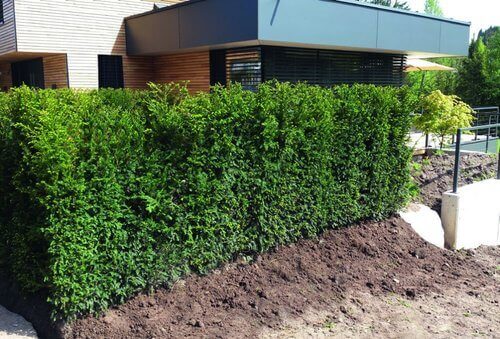
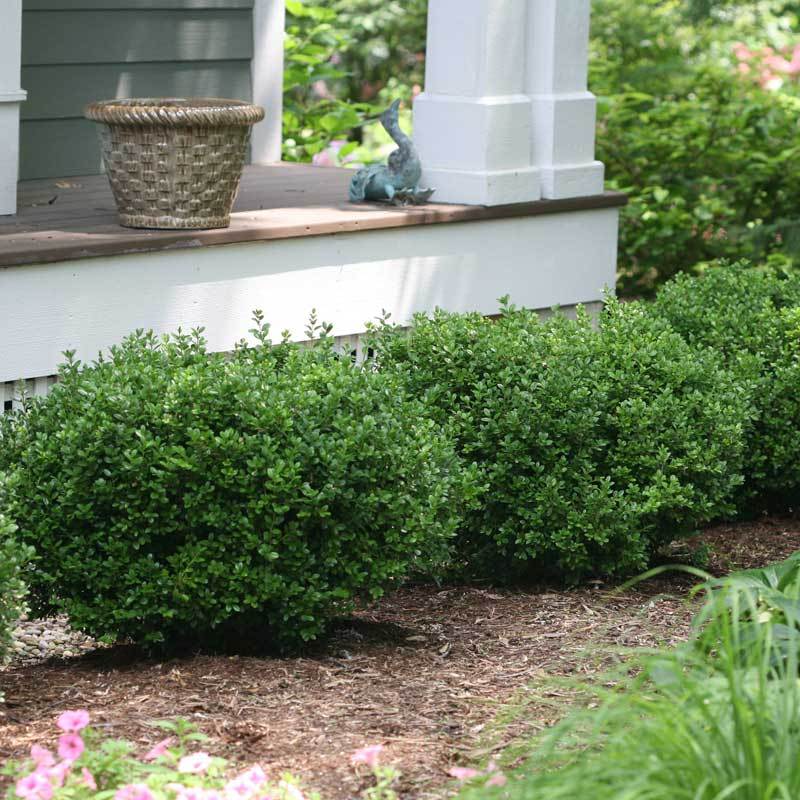
- Shape and density: slow hedges like boxwood form dense, formal shapes; fast hedges like leylandii create quick screens but may be less tidy.
Common fast hedges
- Leylandii
- Privet
- Photinia
- Clumping bamboo
Common slow hedges
- Boxwood
- Yew
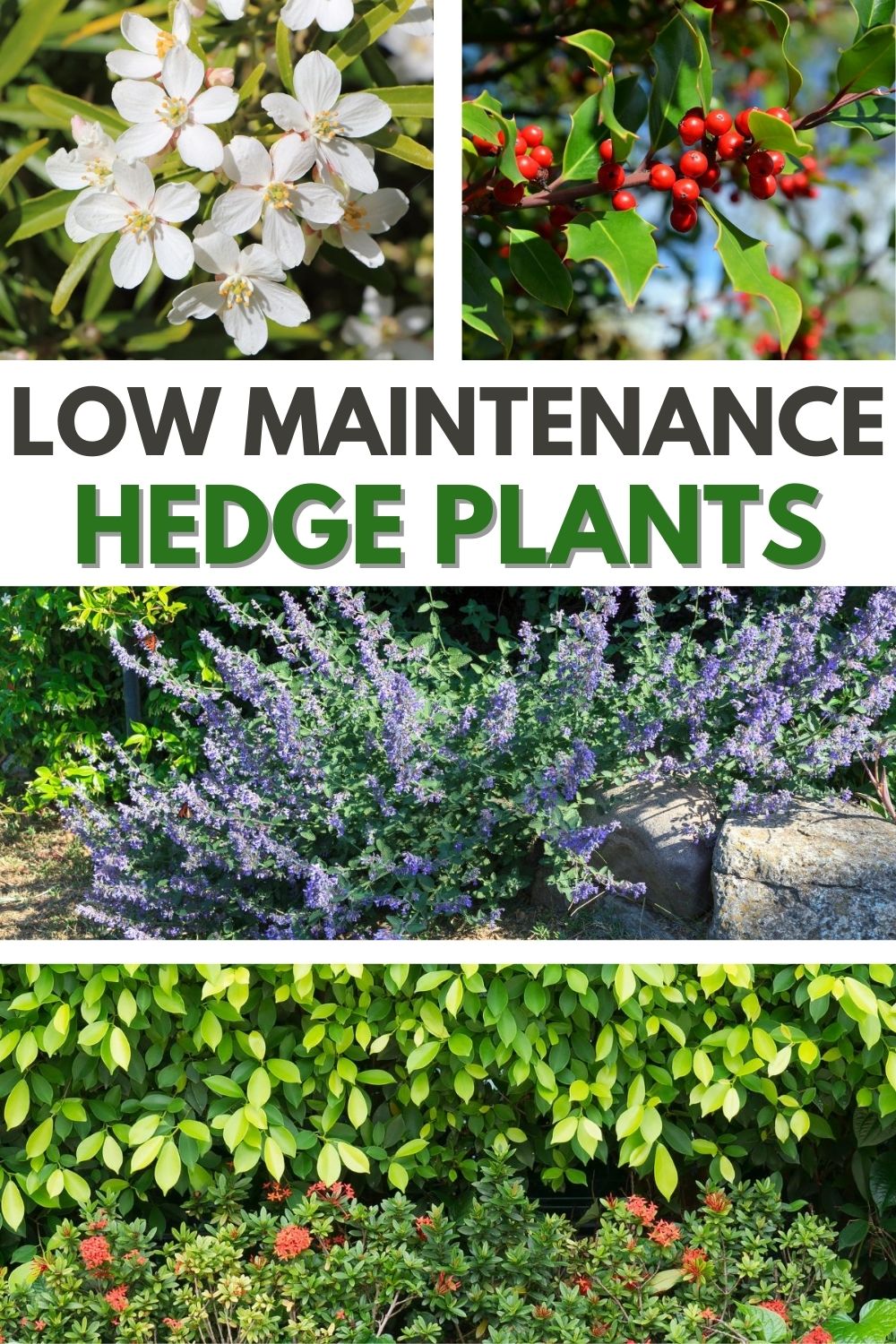
- Holly
- Escallonia
Fast growing hedge vs slow growing hedge matters most when you need privacy fast or want a formal, low-maintenance border. Think of fast hedges as sprint runners and slow hedges as marathoners for your garden plan.
Benefits and drawbacks of fast growing hedge vs slow growing hedge
Benefits of a fast growing hedge
- Quick privacy and windbreak.
- Fast screening for construction or new fences.
- Rapid habitat creation for birds and pollinators.
Drawbacks of a fast growing hedge
- Needs frequent pruning and waste disposal.
- Higher water and nutrient demand in early years.
- Risk of outgrowing space and causing disputes with neighbors.
Benefits of a slow growing hedge
- Low annual pruning and neat, formal look.
- Dense, long-lived structure ideal for shaping.
- Better suited to small gardens and containers.
Drawbacks of a slow growing hedge
- Long wait for privacy and screening.
- Initial cost per year of “cover” is higher because growth is slower.
- May be less tolerant of rapid environmental change in some climates.
Choosing between fast growing hedge vs slow growing hedge often comes down to urgency, style, and long-term budget. If you want instant results, fast is your friend. If you want a tidy, low-effort border for decades, slow is usually better.
Choosing the right hedge: questions to ask before you plant
Ask these simple questions
- How fast do I need privacy?
- How much time will I spend on pruning each year?
- What is my soil type, sun exposure, and local climate?
- How tall and wide can the hedge be at maturity?
- Is the hedge near utilities, fences, or neighbor boundaries?
PAA-style question 1: How quickly do fast hedges grow?
Fast hedges can grow 1 to 3 feet per year depending on species and conditions. Growth slows once they reach maturity and with seasonal dormancy.
PAA-style question 2: Are slow hedges better for small gardens?
Yes. Slow hedges like boxwood or yew suit tight spaces because they remain compact and need less heavy pruning. They let you shape a neat border without frequent trimming.
PAA-style question 3: Will a fast hedge outcompete my other plants?
It can. Fast hedges have high water and nutrient needs and may shade or compete with nearby plants. Proper spacing and root barriers can reduce competition.
Think about long-term goals when weighing fast growing hedge vs slow growing hedge. A fast hedge solves short-term needs. A slow hedge often wins for style and ease.
:max_bytes(150000):strip_icc()/fast-growing-shrubs-for-privacy-hedges-specimens-4767365_10_Arborvitae-038fcc2a312c4fe8a7084bb29ced3981.jpg)
Planting and care tips for fast growing hedge vs slow growing hedge
Planting basics
- Test soil pH and amend if needed for your species.
- Dig a trench for linear planting to encourage root spread.
- Space plants according to mature width to avoid future crowding.
Care for fast growing hedges
- Water regularly in the first two years; feed with a balanced fertilizer in spring.
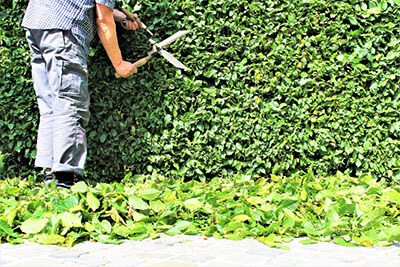
- Prune twice a year to keep size and density under control.
- Mulch to conserve moisture and limit weed competition.
Care for slow growing hedges
- Plant in well-drained soil and avoid over-fertilizing.
- Prune lightly once a year for shape; heavier pruning can stress slow growers.
- Train plants early to get the formal lines you want.
Pruning tips
- Use clean tools and cut at a slight angle.
- For fast hedges, trim the sides narrower at the top so light reaches the base.
- For slow hedges, remove dead wood first and then shape slowly over seasons.
Simple schedule example
- Fast hedge: prune late spring and late summer.
- Slow hedge: prune mid-summer only, with light shaping in spring.
These steps will help you meet your goals whether you choose a fast growing hedge vs slow growing hedge.
Pests, maintenance, and cost comparison
Pest and disease risks
- Fast hedges: often more prone to scale, aphids, and fungal issues if stressed by rapid growth.
- Slow hedges: can attract box blight or root rot in poor drainage but are generally hardy.
Maintenance time and cost
- Fast hedges require more frequent pruning and tool work. This raises labor or service fees.
- Slow hedges save on annual maintenance but require patience and initial investment in quality plants.
Environmental and neighbor considerations
- Fast hedges may block views suddenly and create disputes. Check local rules on hedge height.
- Slow hedges allow gradual change and are easier to negotiate on height and placement.
Example cost snapshot (illustrative)
- Plant cost per linear foot: fast hedge plants often cheaper per plant but need more replacements early on; slow hedge plants can cost more up front.
- Annual pruning: fast hedges may double maintenance hours compared to slow hedges.
Balance the cost of fast growing hedge vs slow growing hedge against your time, budget, and desired timeline.
:max_bytes(150000):strip_icc()/-fast-growing-shrubs-for-privacy-hedges-specimens-4767365-2-02e360abd89440a4ae7990553886df14.jpg)
Personal experience and case studies
From my work: I installed a leylandii fast hedge for a client who needed privacy within one season. It worked beautifully but required pruning three times the first two years. We learned to set a strict maintenance schedule and to plant slightly wider to reduce crowding.
Another project used boxwood as a slow hedge for a small courtyard. It took five years to form, but it needed only one light pruning per year and stayed neat for a decade. The owners loved the low fuss and formal look.
Lessons learned
- Match hedge choice to lifestyle. If you travel a lot, slow hedges are kinder.
- Plan for waste from fast hedges. Arrange disposal or composting ahead of time.
- Invest in quality nursery stock. Strong starter plants reduce early failures.
A good hedge plan blends your timeline with ongoing care. My rule: choose the hedge that fits how you live, not how you wish you lived.

Frequently Asked Questions of fast growing hedge vs slow growing hedge
What is the fastest common hedge to plant for privacy?
The fastest common choices are leylandii and some privets. They can reach screening height in 2–4 years with good care.
How long before a slow hedge provides privacy?
Slow hedges may take 3–10 years to reach privacy height depending on species and spacing. Patience and correct initial planting speed up results.
Are fast hedges harder to keep healthy?
They can be if not pruned and fed regularly. Fast growth stresses plants and makes them more vulnerable to pests and disease.
Can I mix fast and slow hedges together?
Yes, mixing gives quick cover with long-term structure, but plan spacing and pruning carefully. Use fast growers as temporary screens and place slow growers behind them.
Which hedge type costs more over ten years?
Costs vary by species and local labor rates, but fast hedges often incur higher pruning costs. Slow hedges may cost more up front but are cheaper to maintain annually.
Do slow hedges attract more wildlife?
Many slow hedges like yew and holly produce berries and structure that support wildlife long term. Fast hedges can also help birds but may offer less stable habitat if regularly cut back.
Conclusion
Choosing between a fast growing hedge vs slow growing hedge comes down to urgency, style, and how much time you want to spend on upkeep. Fast hedges give rapid privacy and shelter but need active care. Slow hedges reward patience with tidy form and low annual work. Take action by listing your priorities, checking local rules, and choosing plants that match your soil and climate. Share your plans or questions below, subscribe for more gardening guides, or try a small test planting to see which hedge fits your home best.