Bare Root Hedges Vs Potted Hedges: Which Is Best?
Bare root hedges are cheaper and establish faster, while potted hedges offer convenience and year-round planting.
I have planted hundreds of hedging plants over 15 years in small gardens and large estates. In this article I explain bare root hedges vs potted hedges clearly, with pros, cons, costs, planting steps, and real-world tips. You will learn when to choose bare root hedges vs potted hedges, how to plant each, and how to avoid common mistakes so your hedge thrives.

How bare root hedges vs potted hedges differ
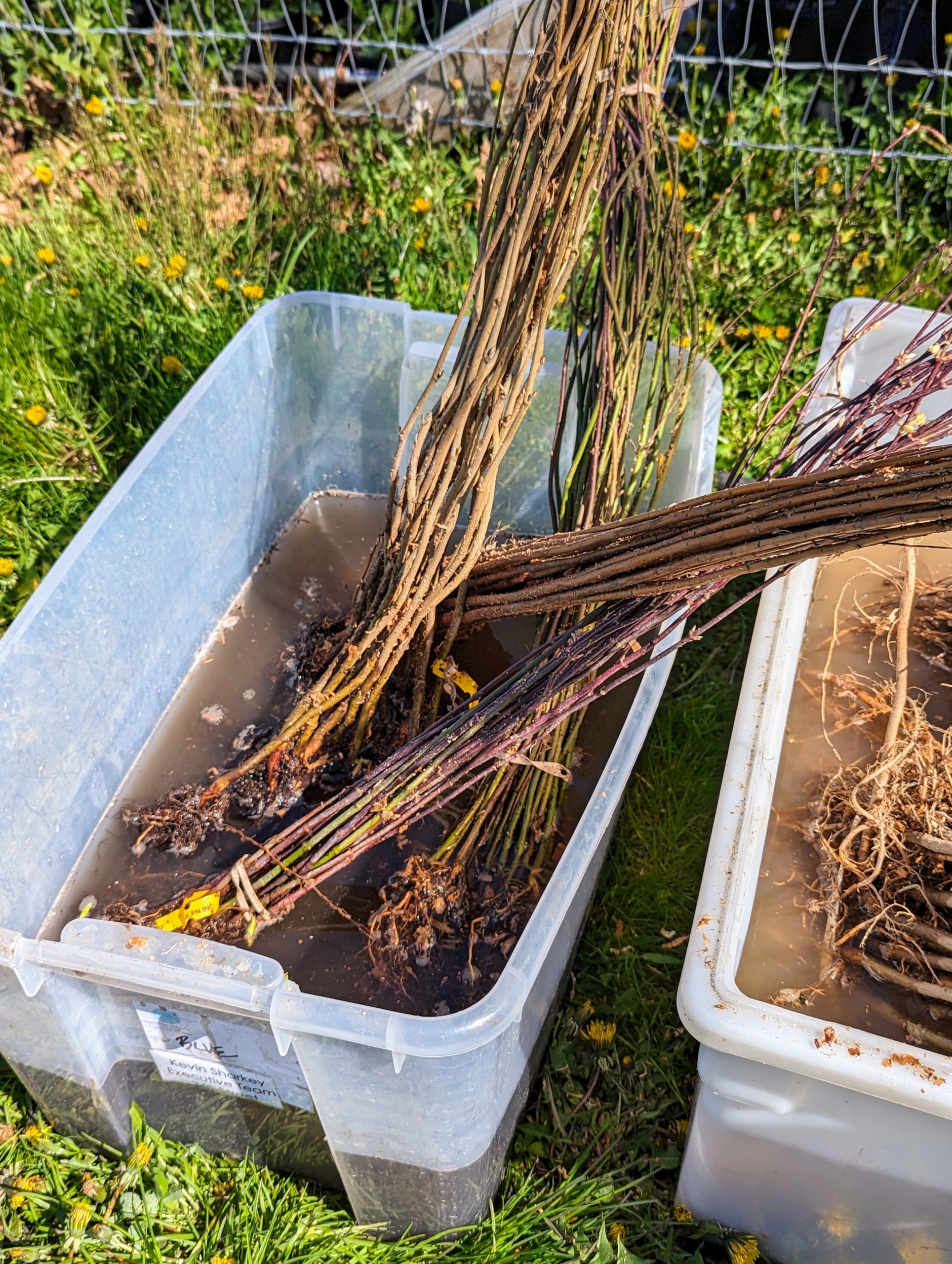
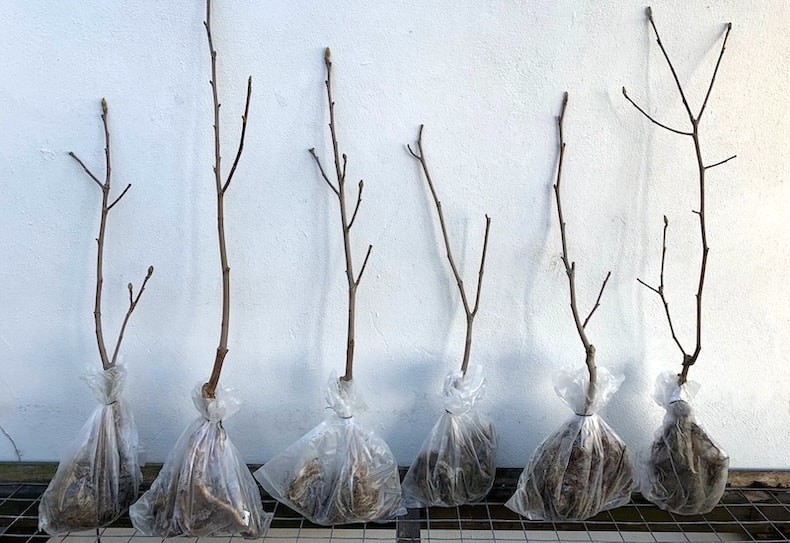
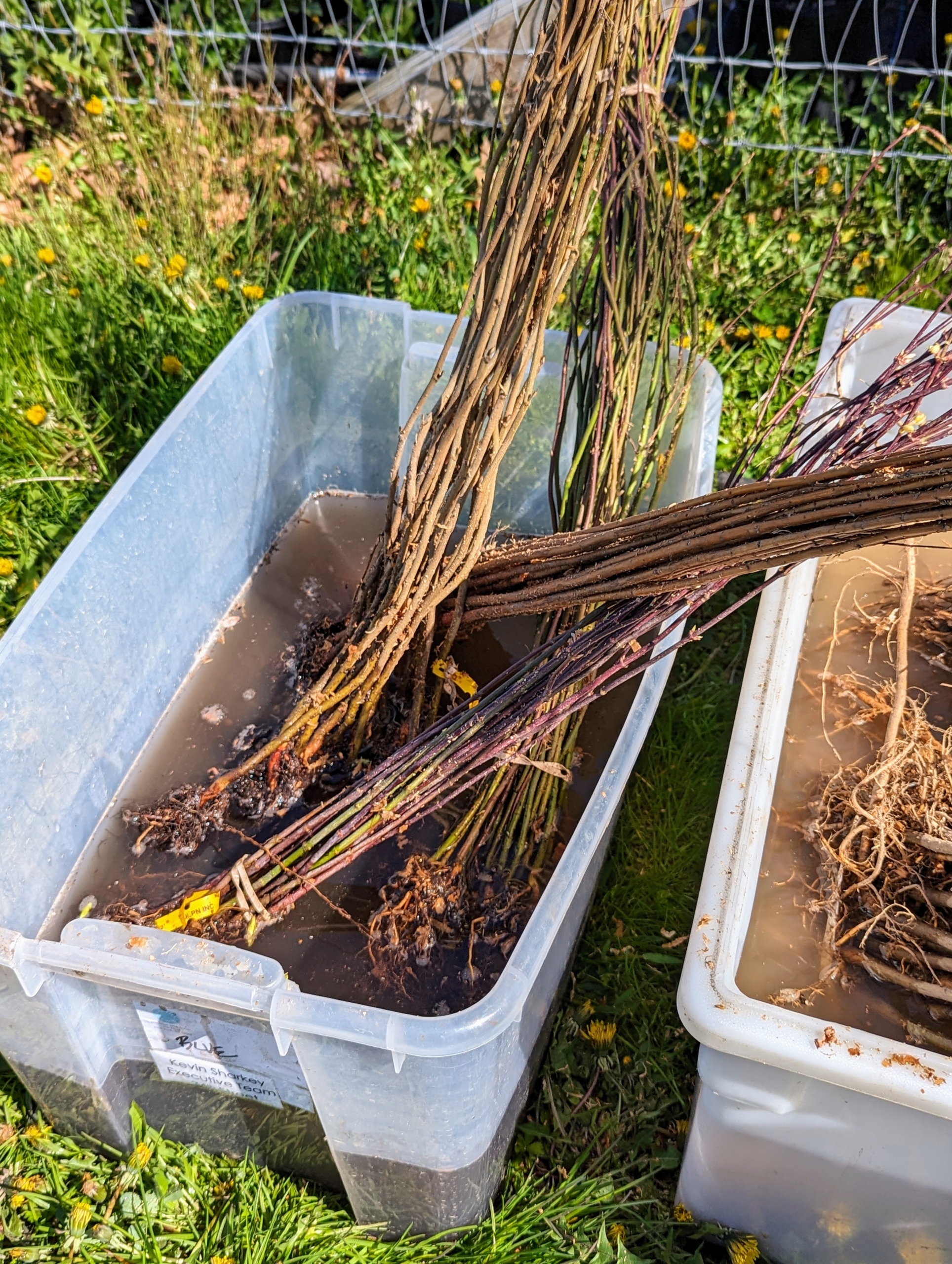
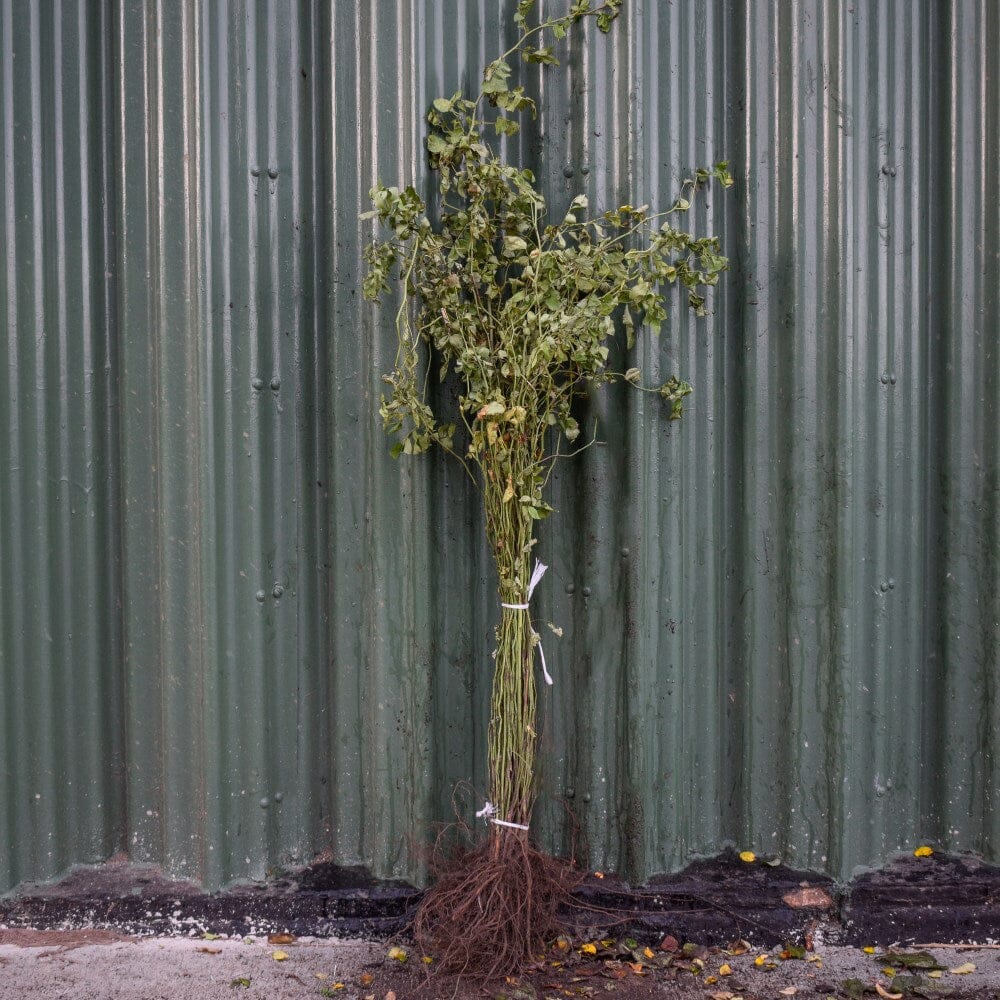
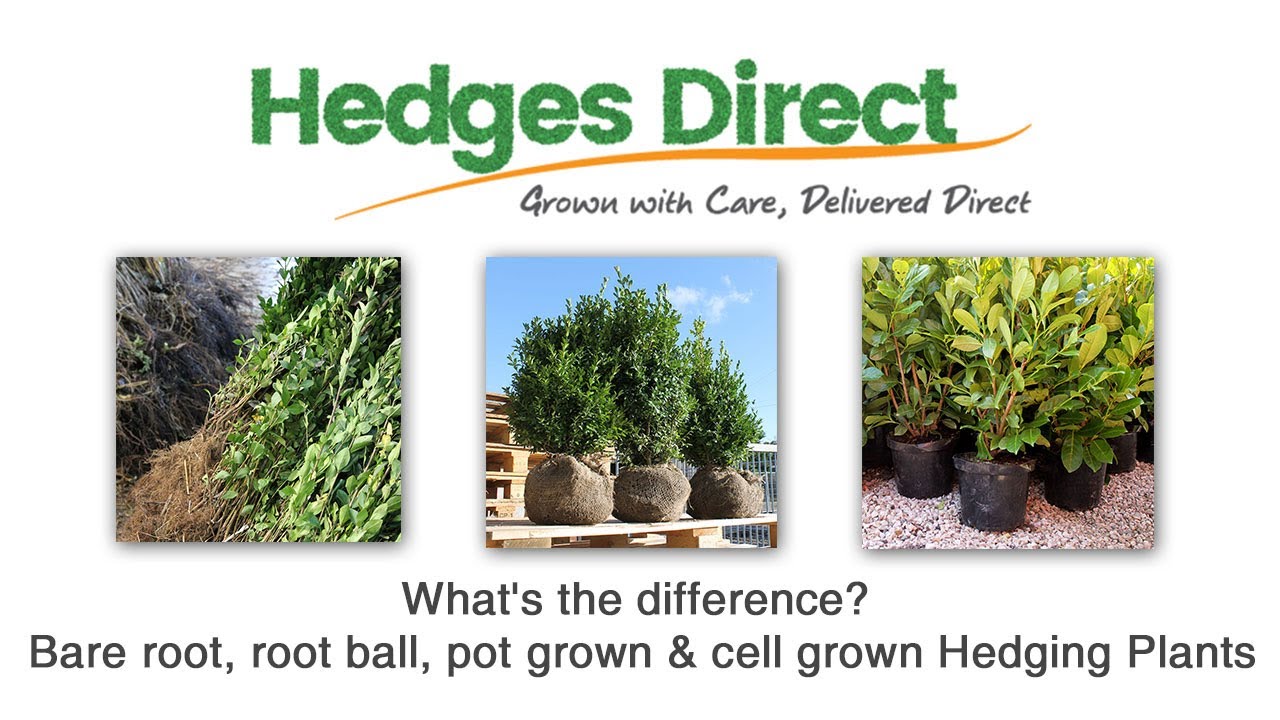
Bare root hedges arrive with no soil around the roots. The roots are exposed, often wrapped in moist material. They are usually lifted and sold in winter when the plants are dormant.
Potted hedges come with soil in a pot. Roots are contained and protected. They can be planted almost any time of the year, though spring and autumn are best.
Key differences at a glance:
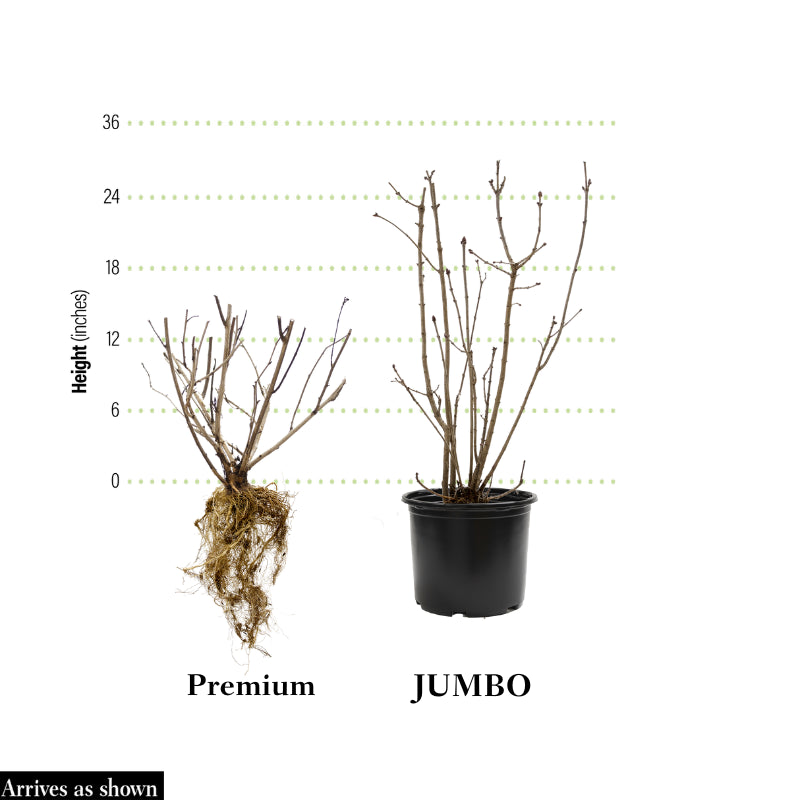
- Price and size: Bare root hedges are usually cheaper per plant. Potted hedges cost more but can be larger.
- Planting season: Bare root hedges are best in late autumn to early spring. Potted hedges can be planted year-round.
- Establishment: Bare root hedges often establish faster once planted. Potted hedges have an existing soil ball and may show growth sooner above ground.
- Transport and handling: Bare root hedges are lighter and easier to ship. Potted hedges are heavier and bulkier.
The choice between bare root hedges vs potted hedges depends on budget, time, site conditions, and how fast you want results.

Benefits and drawbacks of bare root hedges
Benefits:
- Cost effective. Bare root hedges cost less per plant, so you can buy more plants for the same budget.
- Faster root establishment. Roots contact native soil directly and can spread quickly.
- Lightweight for transport. Easier to move and plant in long runs.
- Less risk of root-bound plants. No circling root problem from pots.
Drawbacks:
- Seasonal limits. You must plant while dormant, typically late autumn through early spring.
- Handling care. Roots must stay moist until planted. Drying out can kill plants.
- Shorter visible growth initially. Bare root plants can look sparse at first until they leaf out.
If you need a long run of hedging on a budget, bare root hedges are often the best choice. Keep them moist and plant promptly for success.
Benefits and drawbacks of potted hedges
Benefits:
- Year-round planting. Plant in spring, summer, autumn, or winter if ground is workable.
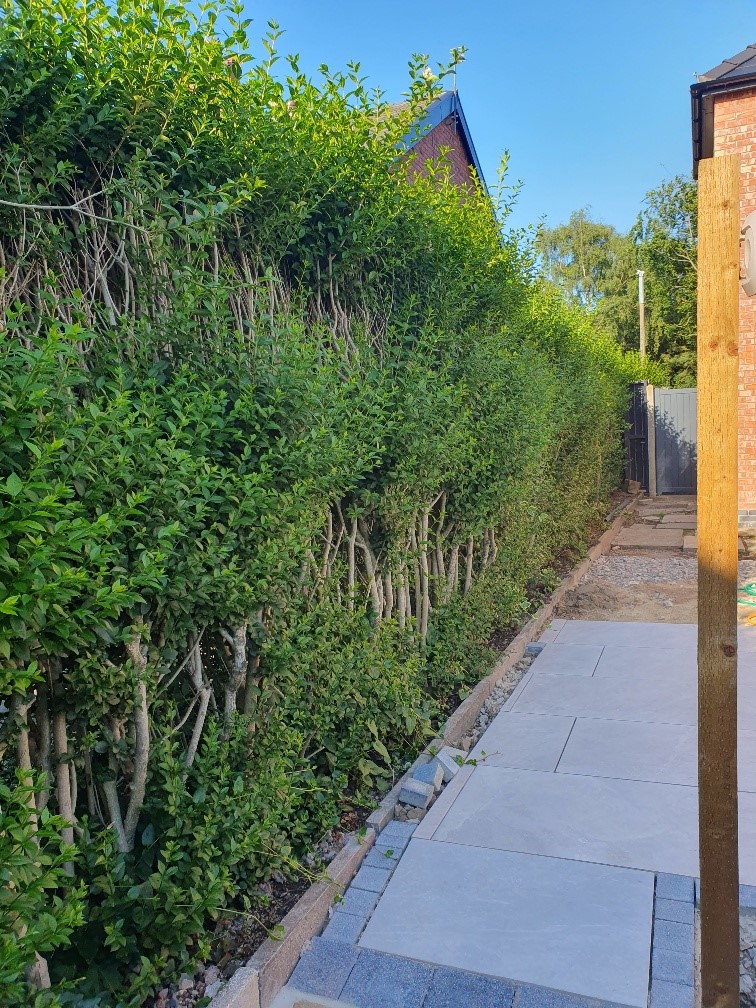
- Immediate appearance. Potted hedges can look fuller right away and provide instant screening.
- Lower stress for some species. Tender varieties handle potting better than bare root handling.
- Easier for small jobs. For a short ornamental hedge, potted plants can be more convenient.
Drawbacks:
- Higher cost. Potted hedges often cost more per plant and for delivery.
- Potential for root circling. Plants left long in pots can become root-bound and need root teasing.
- Heavier to handle and install. Transport and planting require more effort and sometimes equipment.
Potted hedges are ideal when timing is tight or you need instant impact. For long-term value, check the root system before planting.
Planting, care, and establishment for both types
Planting bare root hedges:
- Prepare the trench first. Dig a trench wide and deep enough to spread the roots.
- Spread the roots horizontally. Fan them out gently and backfill with soil.
- Firm and water. Firm soil to remove air pockets and water thoroughly.
- Mulch and protect. Add mulch to retain moisture and protect roots in winter.
Planting potted hedges:
- Remove the pot carefully. Tease roots if they are circling.
- Dig a planting hole slightly larger than the root ball.
- Set plants at soil level. Backfill and water well.
- Prune lightly if needed. This helps balance top growth with roots.
Care tips for first year:
- Water regularly, especially in dry spells.
- Apply a layer of mulch but keep it off the stems.
- Stake if windy. Protect young hedges from deer or rabbits as needed.
- Trim after establishment to encourage dense growth.
Success depends on good planting technique and steady care. For both bare root hedges vs potted hedges, the first 12 months are crucial for root establishment.
Cost, availability, and environmental impact
Cost factors:
- Plant size and variety change price. Faster-growing or rare species cost more.
- Bare root hedges are cheaper because of lower nursery handling costs.
- Potted hedges carry costs for potting mix, labour, and storage.
Availability:
- Bare root hedges are seasonal and best bought in dormancy.
- Potted hedges are available year-round but may be smaller or root-bound in low-priced stock.
Environmental notes:
- Bare root hedges often have lower transport emissions per plant due to lighter weight.
- Potted hedges use more plastic or peat in potting mixes unless nurseries use sustainable alternatives.
- Choose locally grown stock to reduce carbon footprint and support healthy local genetics.
Balance budget, timing, and sustainability when choosing between bare root hedges vs potted hedges.
My experience, tips, and mistakes to avoid
I once planted a mixed evergreen hedge with a mix of bare root hedges and potted hedges. The bare root plants put down strong roots and recovered quickly. The potted plants gave instant privacy but two were root-bound and needed root pruning.
Practical tips I learned:
- Order bare root hedges to arrive the day you can plant them. Short delivery windows matter.
- For potted hedges, check roots. Look for white healthy roots and avoid tightly circling roots.
- Water deeply rather than frequently. Deep watering trains roots to seek moisture.
- If using both types, plant bare root hedges early and add potted hedges for instant screening if needed.
Common mistakes to avoid:
- Letting roots dry on bare root hedges before planting.
- Planting potted hedges too deep or leaving the potting mix intact on top.
- Underwatering in the first summer.
These practical steps helped me create a hedge that filled quickly and stayed healthy.
Pests, diseases, and long-term maintenance
Common threats:
- Aphids and scale can attack new growth on both bare root hedges and potted hedges.
- Fungal diseases can occur in poorly drained sites.
- Root damage from poor planting leads to slow growth and vulnerability.
Routine maintenance:
- Monitor for pests and treat early with soap spray or targeted controls.
- Improve drainage if water pools. Raised beds or added grit help heavy soils.
- Annual formative pruning encourages dense growth and reduces disease risk.
Long-term care:
- Feed with a balanced fertilizer in spring for the first three years.
- Replace any failed plants in the first two seasons for a uniform hedge.
- Keep a mulch layer to conserve moisture and build soil structure.
Address issues quickly to protect your hedge investment, whether you chose bare root hedges vs potted hedges.
Frequently Asked Questions of bare root hedges vs potted hedges
How long do bare root hedges take to establish?
Bare root hedges typically begin establishing roots in the first growing season and show strong growth by the second year. Proper planting and watering speed up establishment.
Can potted hedges be planted in summer?
Yes, potted hedges can be planted in summer, but they need regular watering and shade during hot spells to reduce transplant shock. Mulch helps retain moisture.
Are bare root hedges healthier than potted hedges?
Bare root hedges often establish stronger roots because they are planted directly into soil, but health depends on correct handling and planting. Both types can be equally healthy with proper care.
Which option is better for instant privacy?
Potted hedges are better for instant privacy because they often come larger and leafed out. Bare root hedges take time to leaf and fill in.
Should I mix bare root hedges and potted hedges?
You can mix bare root hedges and potted hedges to balance cost and instant impact. Plant bare root stock in winter and add potted plants for immediate screening if needed.
How do I prevent root circling in potted hedges?
Tease or score the outer roots before planting and avoid planting plants that are heavily root-bound. This encourages roots to grow outward into the soil.
Conclusion
Choosing between bare root hedges vs potted hedges comes down to budget, timing, and how fast you want results. Bare root hedges offer value and rapid root growth when planted in dormancy. Potted hedges give flexibility and instant appearance but cost more and may need root care.
Takeaway: match the choice to your project goals. For long, budget runs pick bare root hedges. For instant screening or out-of-season planting pick potted hedges. Try a mix if you want both savings and speed. If you found this helpful, plant one test run, subscribe for more gardening guides, or leave a comment about your hedging plans.