Laurel Hedge Vs Privet Hedge: Best Choice Guide
Laurel hedge offers dense, year-round privacy while privet hedge is faster, cheaper, and easier to shape.
I have managed hedges for years and worked with both laurel hedge vs privet hedge in home gardens and small estates. I’ll walk you through growth, care, pros and cons, and real-life tips so you can pick the right hedge for your yard. Read on for a clear, practical comparison that helps you decide between laurel hedge vs privet hedge with confidence.

Growth and appearance
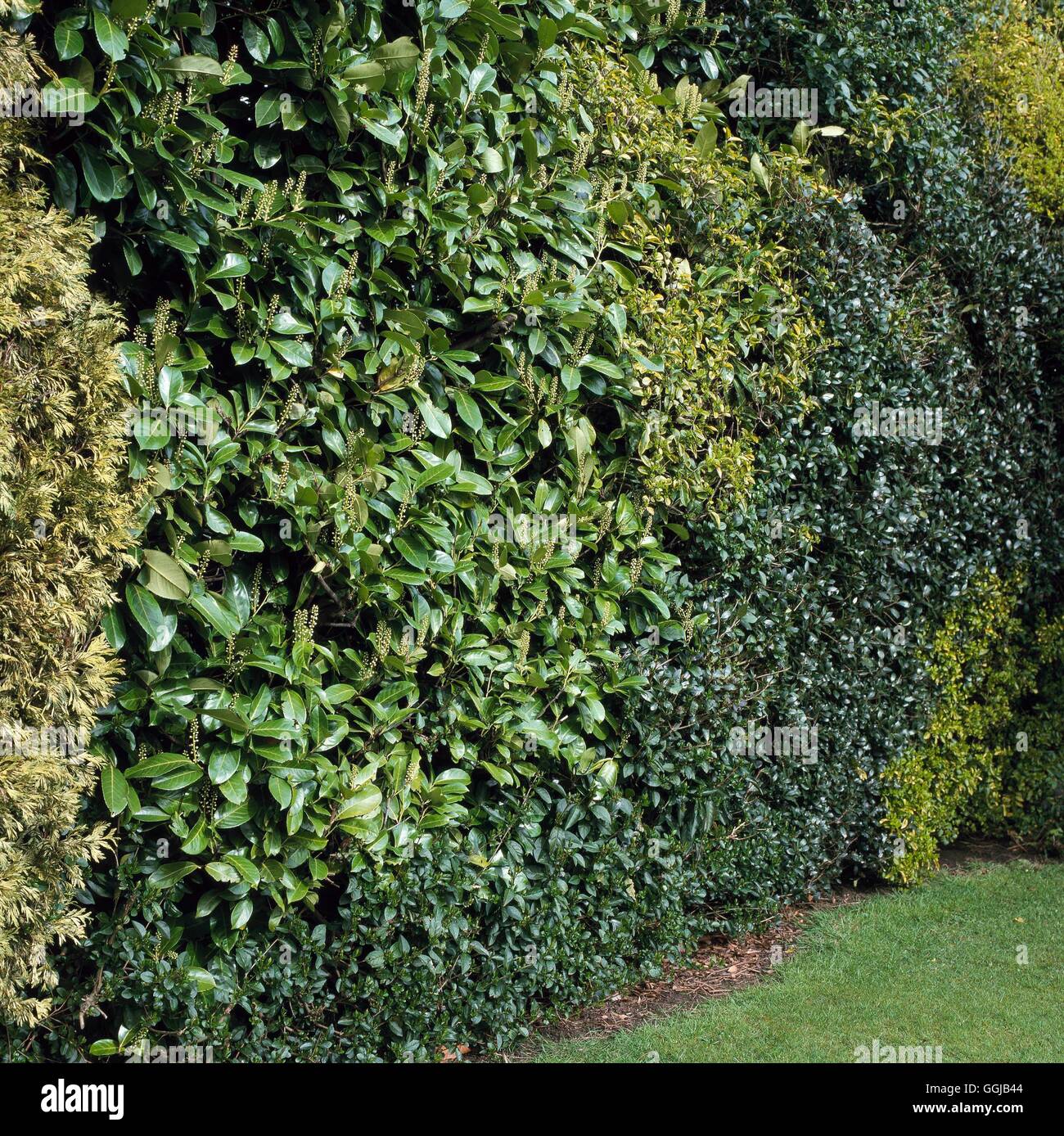
Laurel hedges are evergreen and have large, glossy leaves. They can grow tall and form a solid, dense screen that blocks wind and views. Privet hedges have smaller leaves and a finer texture. Privet grows quickly and takes shape well when clipped, so it often looks neater sooner.
- Laurel hedge vs privet hedge: laurel gives a bold, lush look; privet gives a tidy, formal look.
- Laurel height range: often 6 to 15 feet or more with time.
- Privet height range: typically 3 to 10 feet depending on species and pruning.
I prefer laurel when I need instant privacy. I use privet where I want crisp lines and quicker results.
Climate and soil preferences
Laurel handles mild winters and sheltered sites best. It prefers fertile, well-drained soil and some shade to part sun. Privet is more tolerant of a wide range of soils and climates. Privet can take full sun to partial shade and copes with urban conditions better.
- Laurel hedge vs privet hedge: choose laurel in stable, sheltered gardens; choose privet for varied conditions.
- Soil pH: both do well in neutral to slightly acidic soil, but privet is more forgiving.
- Drought tolerance: privet usually recovers faster after dry spells than laurel.

Source: hedginguk.com
Maintenance and pruning
Privet is easy to prune and responds quickly to clipping. You can form a low formal hedge with frequent trims. Laurel needs less frequent but heavier pruning. Laurel’s larger stems resist shaping into very tight forms and can take longer to recover from hard cuts.
- Prune privet every 4–8 weeks in the growing season for neat shapes.
- Prune laurel once or twice per year, and avoid cutting back into old wood if possible.
- Fertilize both hedges in spring to support new growth.
From my experience, I made the mistake of pruning laurel too hard one winter. It regrew slowly and left gaps. Now I prune laurel more gently and plan cuts in spring.

Pests, diseases, and resilience
Privet can get scale insects, powdery mildew, and leaf spot, especially in humid areas. Laurel can suffer from bacterial or fungal leaf blights and vine weevils on soft soil. Both can be affected by root stress if planted too deep or in poor drainage.
- Laurel hedge vs privet hedge: privet is generally more disease tolerant but can attract more pests in close plantings.
- Integrated care: good airflow, proper spacing, and healthy soil reduce problems.
- Treatment: monitor regularly, use targeted controls, and remove affected growth early.
I check new hedges weekly in the first year. Early detection saved a privet planting from a scale outbreak once.

Privacy, sound reduction, and wildlife value
Laurel offers dense foliage that blocks sight and buffers wind well. It also reduces noise more effectively at medium heights due to thicker leaves. Privet allows more light and air through. That can be better for understory plants and nesting birds.
- Laurel hedge vs privet hedge: laurel for maximum privacy; privet for wildlife-friendly, layered gardens.
- Wildlife note: both hedges provide shelter and food for small birds when flowers and berries appear.
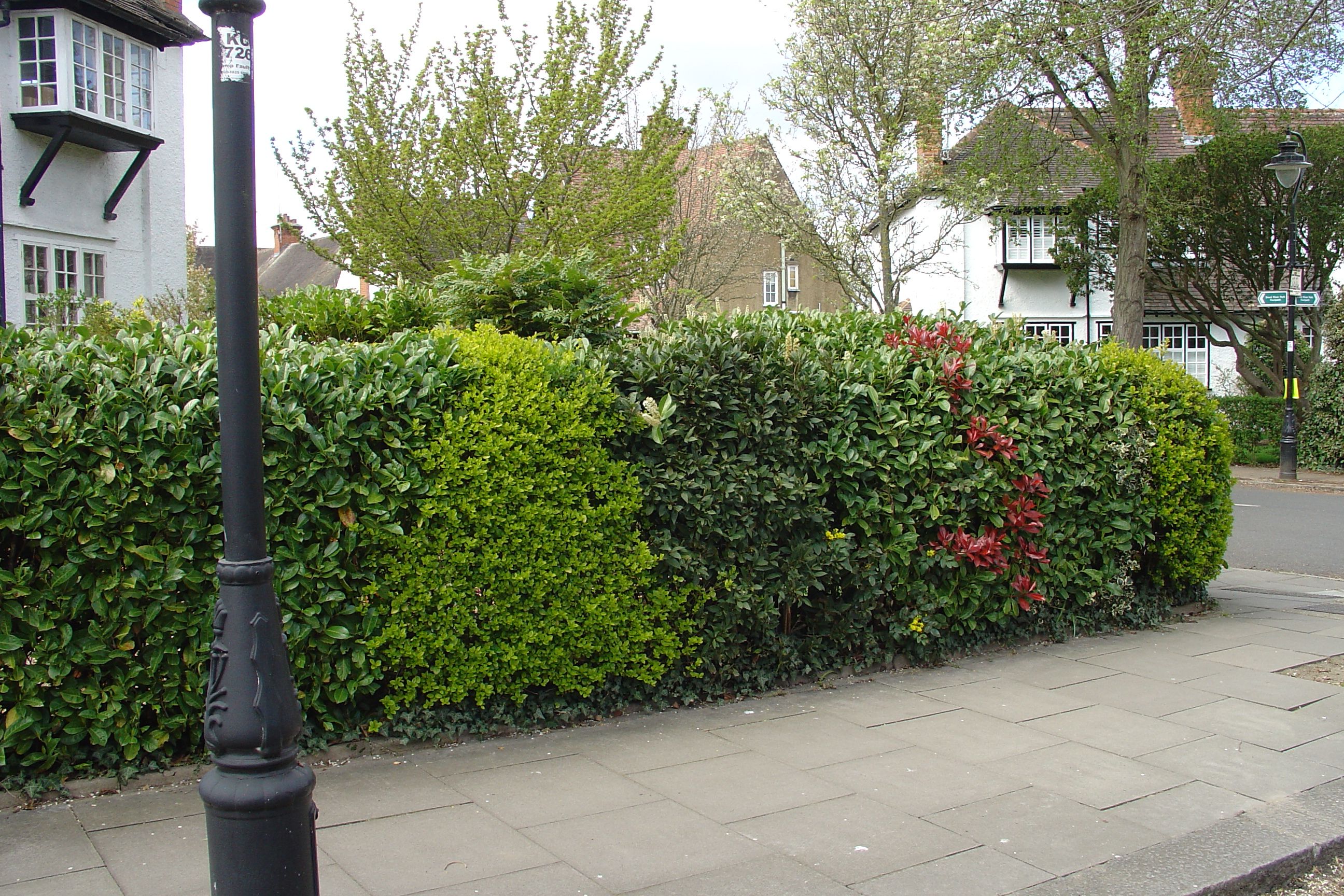
- Consider mixing: a laurel core with privet edges can balance privacy and biodiversity.
Source: nationalparkcity.org
Cost, availability, and lifespan
Privet is often cheaper and widely available in nurseries and online. It grows fast, so you get a hedge sooner. Laurel plants may cost more initially and grow slower. But a well-established laurel can live many decades and form a long-term screen.
- Upfront cost: privet usually wins for lower price per plant and faster coverage.
- Long-term value: laurel may offer better longevity and maturity once established.
- Lifespan: both can live many years with proper care.

Source: brighterblooms.com
Design and landscape uses
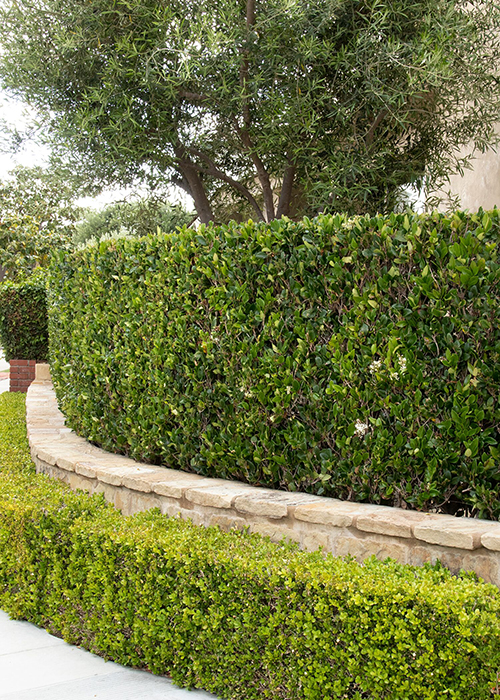
Privet fits formal, geometric designs and boxy hedges. It works well for borders, low property lines, and clipped topiary shapes. Laurel suits natural, dense screens and mixed borders. Laurel’s larger leaves give a tropical, lush feel in temperate gardens.
Design tips from my projects:
- Use privet for low, formal parterres.
- Use laurel for tall privacy screens or backdrop planting.
- Combine them to create layered depth and texture.

Source: monrovia.com
Choosing between laurel hedge vs privet hedge
Decide by goals, site, and maintenance plans. If you need fast, neat fencing and low cost, choose privet. If you want a tall evergreen screen with thick leaves, choose laurel. Think about long-term care and how much pruning you will do.
PAA-style questions
Which hedge gives instant privacy?
Laurel gives better instant privacy due to larger, denser leaves. Plant slightly closer for a quicker screen.
Which hedge is easier to shape into formal designs?
Privet is easier to clip into formal shapes and hedgerows. It tolerates frequent pruning and stays neat.
Can I mix laurel and privet in the same hedge?
Yes. Mixing creates visual interest and balances privacy with light. Plant laurel as the tall core and privet at the front or edges for neat lines.
Frequently Asked Questions of laurel hedge vs privet hedge
What is the main difference between laurel hedge vs privet hedge?
Laurel has larger evergreen leaves and creates a dense privacy screen. Privet grows faster, has finer foliage, and suits clipped formal hedges.
Which hedge needs more water?
Young plants of both need regular water, but established laurel can be slower to tolerate drought. Privet recovers more readily after dry spells.
How often should I prune laurel or privet?
Prune privet often through the growing season for formal shapes. Prune laurel once or twice a year and avoid cutting back into old wood.
Are there wildlife benefits to either hedge?
Both attract birds and insects when they flower and fruit. Privet flowers are good for pollinators; laurel offers dense shelter year-round.
Can either hedge handle urban pollution and poor soil?
Privet is generally more tolerant of pollution and poor soils. Laurel prefers richer, well-drained soil and sheltered spots.
How close should I plant laurel or privet for a hedge?
Plant laurel about 3 to 5 feet apart for a dense screen. Plant privet 1 to 3 feet apart depending on the species and desired density.
Conclusion
Both laurel hedge vs privet hedge have clear strengths. Choose laurel for dense, evergreen privacy and a lush look. Choose privet for speed, shaping, and lower initial cost. Think about your climate, time for pruning, and the visual style you want. Try a small test run if you are unsure, and plan spacing and soil before planting. If you found this helpful, try one of the options in a corner of your yard, subscribe for more planting tips, or leave a comment with your planting plans.