How Often Should You Trim Hedges: Best Timing Tips
Trim most hedges every 4–8 weeks during the growing season; slow-growing hedges need trimming only a few times a year.
I’ve trimmed countless hedges for clients and my own yard. I know how often should you trim hedges matters for health, shape, and safety. This guide explains clear, practical schedules for different hedge types, seasonal timing, tools, and common mistakes. Read on to learn exactly when to prune, why timing matters, and how to keep hedges dense and healthy with minimal fuss.

Why trimming hedges matters
Trimming keeps hedges dense, neat, and healthy. It controls size, removes dead wood, and prevents pests and disease. Regular cuts encourage new shoots and a fuller look. Knowing how often should you trim hedges helps avoid overcutting or letting growth become unruly.
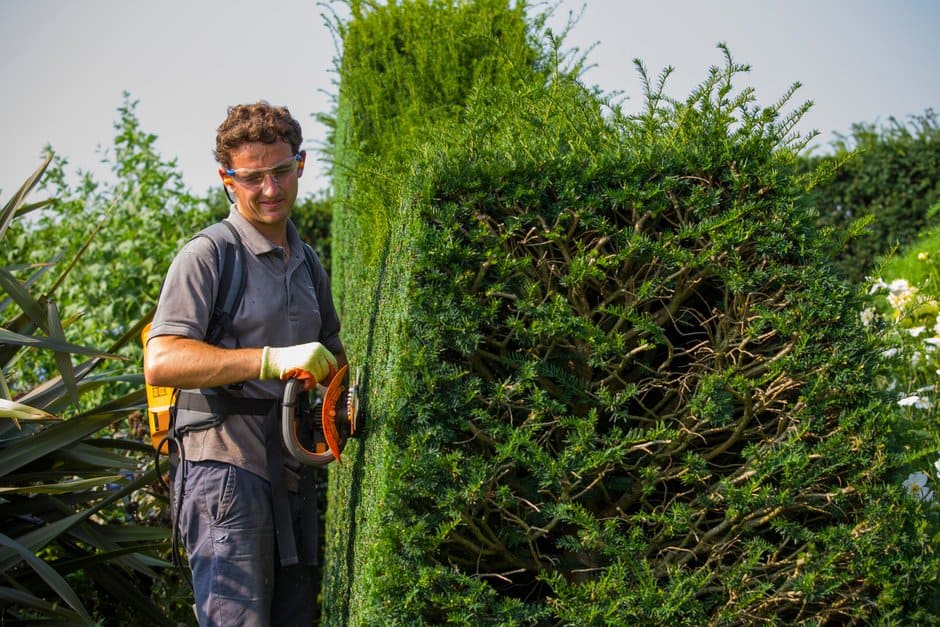
How often should you trim hedges — general rules
Here are easy guidelines to follow. Use them as a base and tweak for your climate and plant type.
- Formal, fast-growing hedges: Trim every 4–6 weeks in spring and summer. This keeps a crisp shape.
- Informal or privacy hedges: Trim 2–3 times per growing season. Let them grow a bit between cuts.
- Slow-growing evergreen hedges: Trim 1–2 times a year, usually late spring and mid-summer.
- Flowering hedges: Trim after flowering to avoid cutting off next season’s blooms.
Those rules answer how often should you trim hedges in most yards. Adjust frequency for rainfall, soil fertility, and local growth rates.
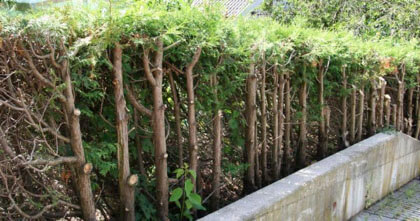
Factors that change the schedule
Consider these when you decide how often should you trim hedges.
- Plant species: Some species push new growth fast; others grow slowly.
- Climate: Warm, wet seasons speed growth and need more trims.
- Desired form: A formal box hedge needs more frequent clipping than a natural screen.
- Age of hedge: Young hedges need more frequent light shaping. Mature hedges need gentler pruning.
Source: nature-and-garden.com
Seasonal schedule and timing by hedge type
Timing is as important as frequency. Here’s a simple calendar by common hedge types.
- Evergreen ornamental (box, yew, holly)
- Trim lightly in late spring. Repeat mid-summer if growth is strong.
- Deciduous formal hedge (beech, hornbeam)
- Trim twice: late spring and late summer. Avoid heavy cuts in fall.
- Flowering hedges (lavender, forsythia, buddleia)
- Trim immediately after flowering. Do not trim in early spring if flowers form on old wood.
- Privet and fast-growing screens
- Trim every 4–6 weeks during active growth. Major pruning in late winter if needed.
- Coastal or drought-prone areas
- Trim less often to reduce stress. One light trim in late spring is often enough.
Follow these tips to fine-tune how often should you trim hedges based on the hedge’s bloom cycle and growth habit.
:max_bytes(150000):strip_icc()/how-to-trim-hedges-2132254_hero-b989189ab06b45648c239296a8c5b756.jpg)
How to trim: tools, technique, and safety
Good results come from good tools and a careful approach.
-
Tools to have
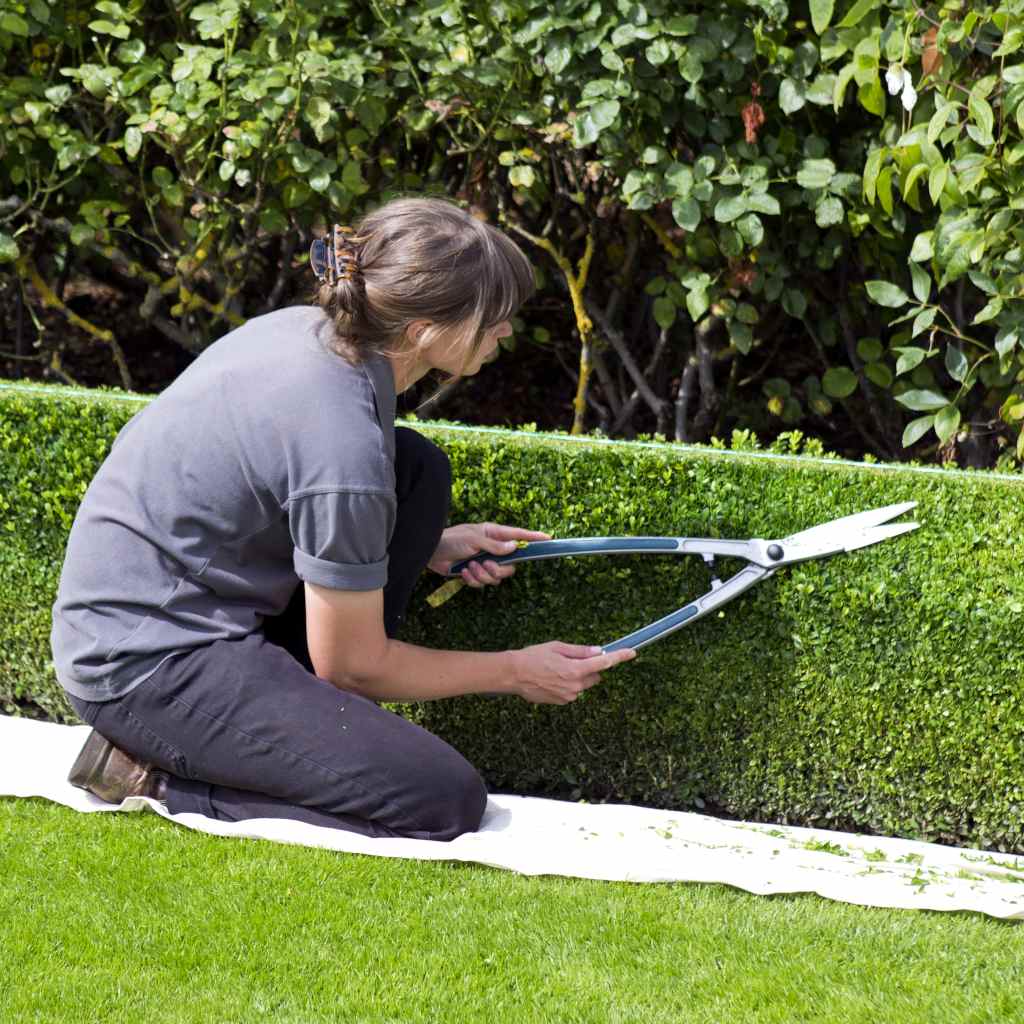
- Hand shears for detail work and small hedges.
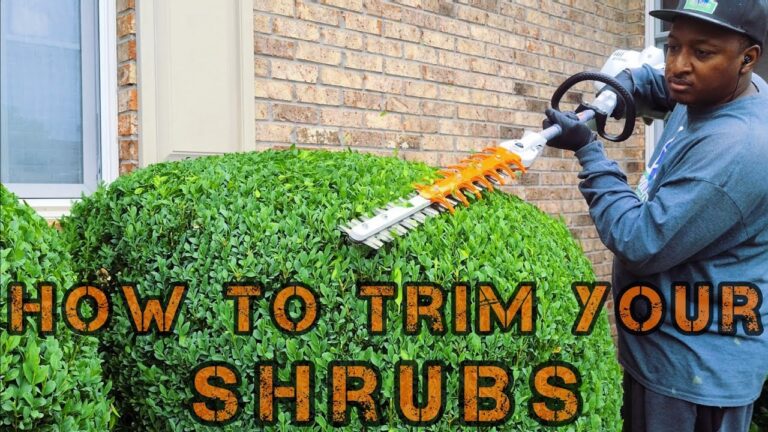
- Hedge trimmers (electric or gas) for long runs and formal shapes.
- Loppers for thicker branches and rejuvenation cuts.
- Gloves, safety glasses, and ear protection.
-
Technique basics
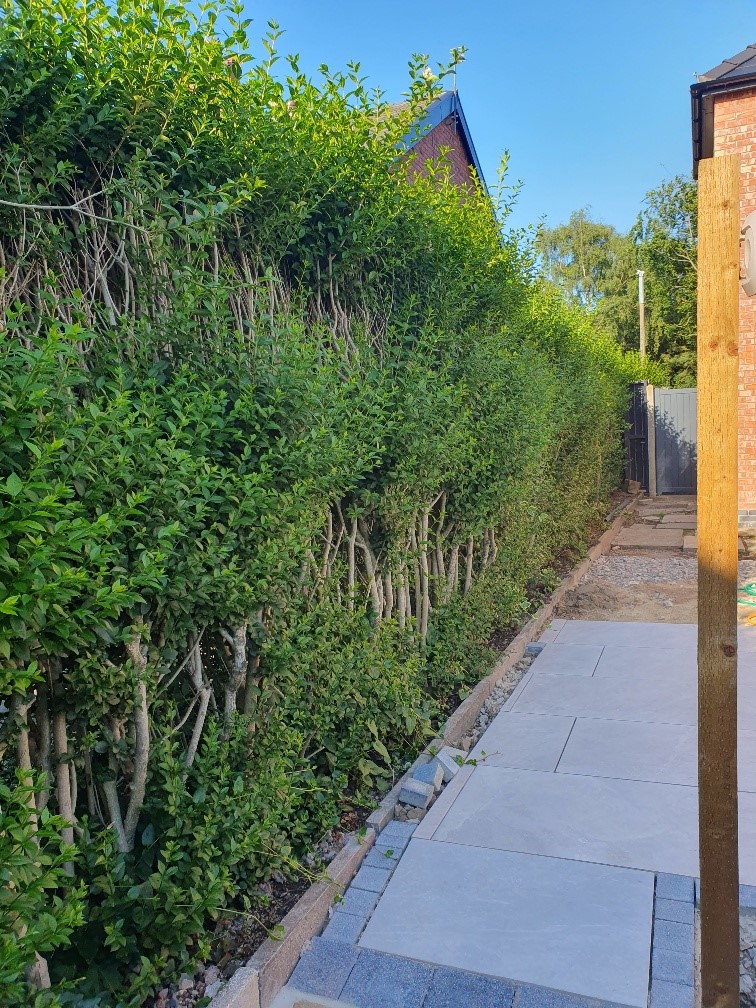
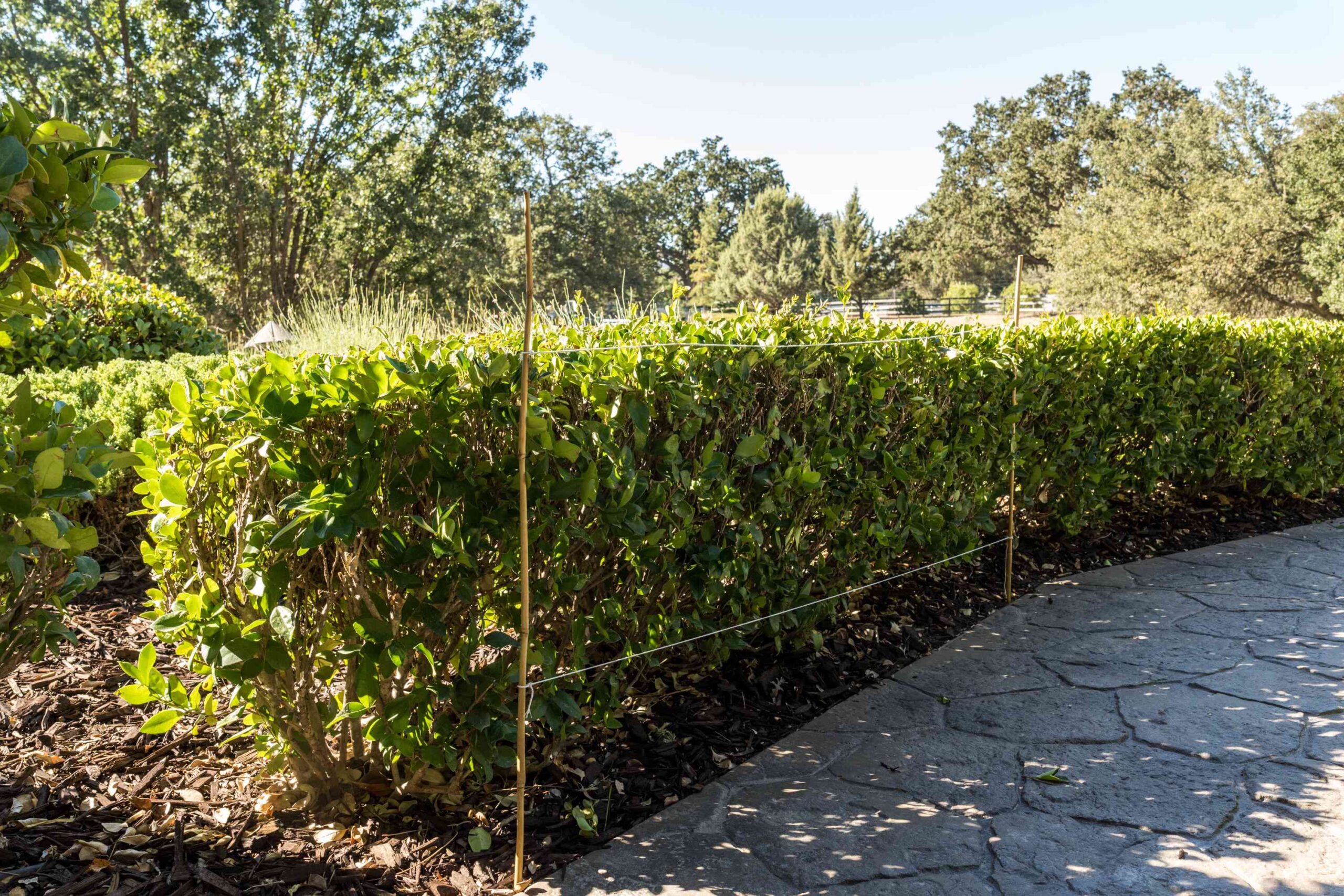
- Cut with a slight taper: narrower at the top than the base to let light reach lower branches.
- Step back often to check shape and avoid over-cutting.
- Use sharp tools to make clean cuts and reduce pest entry points.
- Remove no more than one-third of growth in a single session to avoid stress.
-
Safety and cleanup
- Keep cords clear when using electric tools. Watch for hidden obstacles.
- Dispose of clippings or chip them for mulch. Do not leave large piles up against the hedge.
Knowing how often should you trim hedges matters less if you trim correctly. Quality beats quantity.

Signs your hedge needs trimming now
Watch for these clear signals. They tell you it’s time to act.
- Top-heavy growth that shades the base and causes thinning.
- Flowers or berries struggling from too much foliage.
- Sucker shoots or wild branching breaking the intended shape.
- Pests or fungal spots concentrated on old, dense growth.
- Hedges blocking sightlines, paths, or encroaching on structures.
When you see these signs, increase or adjust how often should you trim hedges to restore health and form.

Personal experience, mistakes, and practical tips
I’ve trimmed formal and wild hedges for years. Here are my real lessons.
- Mistake I made: heavy pruning a mature box hedge in late fall. It stressed the plant and slowed recovery. Lesson: avoid big cuts before winter.
- Practical tip: mark a trim calendar. I use a simple app reminder for each hedge zone. It keeps me from overtrimming or forgetting.
- Tool care tip: sharpen blades every season. Sharp tools cut cleaner and keep hedges healthier.
- Time-saving tip: trim in short sessions. Three 30-minute sessions over a season beat two 3-hour marathons.
These experiences shaped how often should you trim hedges in my own yard. Small, regular work yields better results than rare, heavy pruning.

Short, common questions (PAA-style)
Q: When is the best month to trim hedges?
A: Late spring after the first flush of growth is ideal for many hedges; flowering hedges should be trimmed right after bloom.
Q: Can I trim hedges in winter?
A: Light pruning is okay in mild winter; avoid heavy cuts when plants are dormant and risk cold damage.
Q: Will more trimming make my hedge fuller?
A: Regular light trimming encourages branching and density. Heavy pruning can reduce foliage and slow recovery.
Frequently Asked Questions of how often should you trim hedges
How often should you trim hedges for a neat formal look?
Trim formal hedges every 4–6 weeks during the active growing season. This keeps clean lines and even density.
How often should you trim hedges that flower?
Trim flowering hedges right after they bloom to protect next season’s flowers. Avoid trimming in early spring for species that bloom on old wood.
How often should you trim hedges to promote growth?
Trim lightly and regularly, about every 6–8 weeks for moderate growers. This nudges the plant to branch and fill in.
How often should you trim hedges in drought-prone areas?
Trim less often during drought. One light trim in late spring helps shape without stressing the plant.
How often should you trim hedges when starting a young hedge?
Young hedges need gentle shaping every 4–8 weeks in their first two growing seasons. This trains form and encourages roots.
Can I trim hedges year-round?
You can trim lightly year-round in mild climates, but avoid heavy pruning in extreme heat or cold. Time heavier cuts to when the hedge is actively growing.
How often should you trim hedges to prevent pests?
Regular trimming that improves airflow and removes dead wood reduces pest problems. Check and trim as soon as you spot infestation signs.
Conclusion
Trim hedges regularly, but with a plan. For most hedges, that means every 4–8 weeks in active growth or only a few times a year for slow-growers. Match the schedule to species, season, and your desired look. Start small, sharpen tools, and track trims to avoid stress. Try a trim calendar this season, and notice how much healthier and neater your hedges become. If you found this helpful, subscribe, leave a comment with your hedge type, or try one small trim today.