How To Trim A Hedge Properly: Simple Step-By-Step Guide
Trim with sharp tools, remove no more than one-third, and shape gradually for healthy hedges.
I’ve spent years pruning gardens and consulting with landscapers, so I know how to trim a hedge properly. This guide covers timing, tools, step-by-step technique, plant-specific tips, and common mistakes. Read on for clear, practical instructions you can use today to keep hedges healthy and looking great.
When to trim your hedge
Knowing when to trim is the first step in how to trim a hedge properly. Timing affects plant health, flowering, and bird nesting. Follow simple seasonal rules and adjust for the type of hedge you own.
- For deciduous hedges, prune after leaf drop or just before new growth in early spring.
- For evergreen hedges, trim in late spring or early summer, and avoid heavy cuts in late fall.
- For flowering hedges, trim after they finish blooming to avoid cutting next season’s flowers.
- Avoid major pruning during bird nesting season (usually spring). Check local guidelines.
People also ask: How often should I trim? Trim fast-growing hedges three to four times per year; slow growers once or twice. This keeps them neat and prevents heavy pruning.
People also ask: Can I trim a hedge in winter? Minor tidy-ups are okay in mild climates, but avoid heavy cuts when temperatures are below freezing or when plants are dormant.

Tools, safety, and preparation
Good tools make the job easier and reduce damage. Safety protects you and your plants. Here’s what I use and recommend based on experience.
- Hand shears for small hedges and fine shaping.
- Lopping shears for thicker branches up to 1 inch.
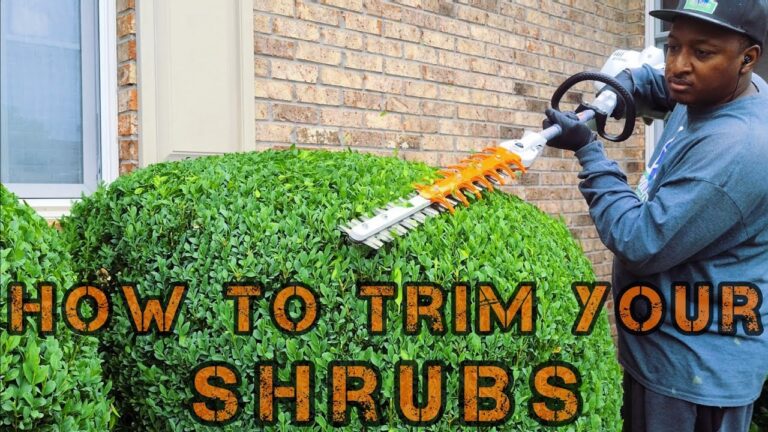
- Hedge trimmers (electric or gas) for long runs and formal shapes.
- Pruning saw for large branches and old growth.
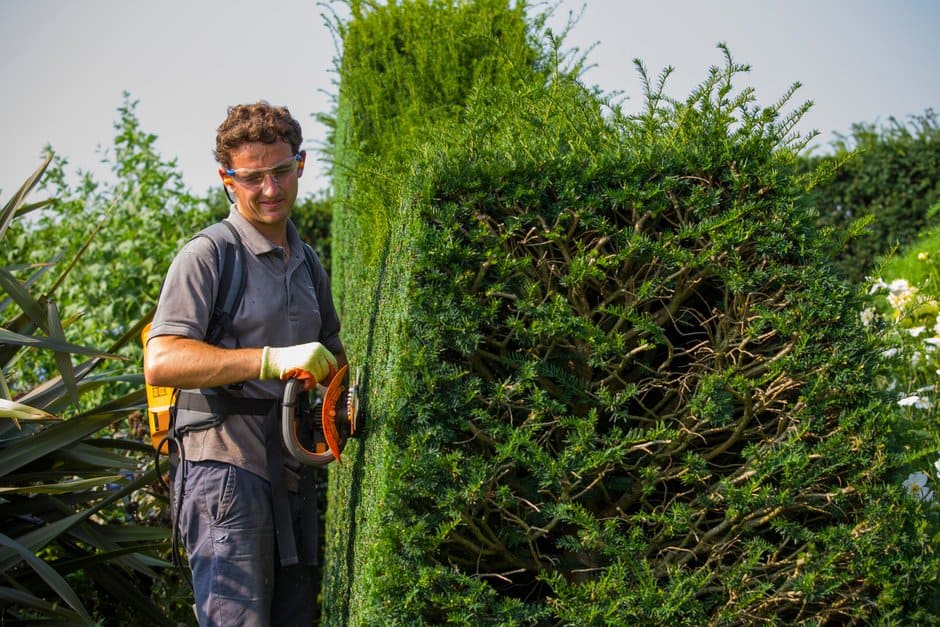
- Protective gear: gloves, safety glasses, hearing protection for power tools, and sturdy footwear.
Prep steps before trimming:
- Inspect the hedge for nests, disease, or dead wood.
- Clean and sharpen tools. Sharp blades give clean cuts and heal faster.
- Lay a tarp beneath the hedge to collect clippings and protect the lawn.
- Plan the shape and work from bottom to top to avoid blocking light.

Step-by-step: how to trim a hedge properly
Follow these steps for a clean, healthy result. I use this routine on privet and boxwood hedges with good results.
- Visualize the final shape. Use string lines or stakes for straight tops.
- Remove dead, diseased, or crossing branches first. Cut to healthy wood.
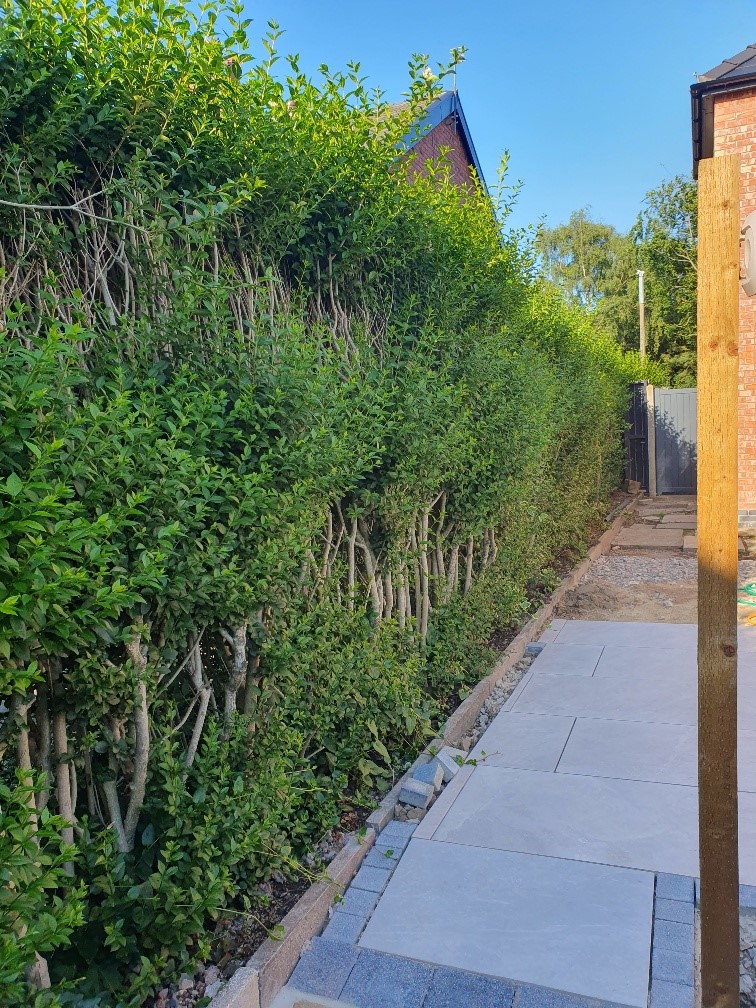
- Thin internally by removing a few older stems at the base. This improves light and airflow.
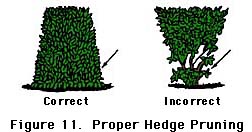
- Trim the sides so the base is slightly wider than the top. This taper helps light reach lower shoots.
- Make small cuts. Never remove more than one-third of the foliage in a single session.
- Check from different angles. Step back often to keep lines even.
- Clean up clippings promptly to prevent pests and disease.
Practical tip from my experience: If you make a large mistake, stop and reassess. Take smaller cuts over several weeks rather than forcing a drastic change. Gradual shaping keeps the hedge healthy.
Shaping techniques and styles
Different styles suit different gardens. Knowing the technique helps when you decide how to trim a hedge properly.
- Natural informal hedge: Light pruning to maintain size and encourage flowers.
- Formal flat-top hedge: Use a string guide and straight cuts; trim often for density.
- Rounded hedge: Use shears to follow a curved guideline and keep growth uniform.
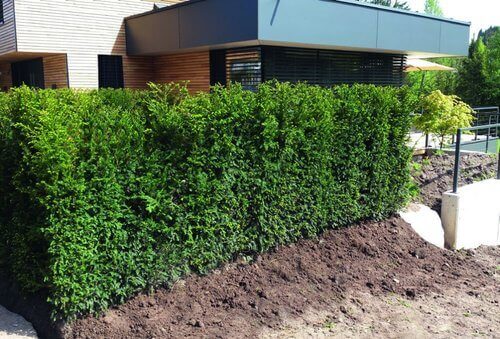
- Tapered hedge: Wider base, narrow top; best for evergreen hedges to avoid bare lower sections.
How I choose a style: consider the plant species, garden scale, and maintenance time. Formal hedges need frequent care. Informal styles are more forgiving.

Plant-specific tips
Different species respond differently to pruning. Tailor your approach to the plant type to learn how to trim a hedge properly.
- Boxwood: Trim lightly and often. Avoid cutting into old wood that lacks leaves.
- Yew: Tolerates hard pruning and can be cut back drastically if needed. Best pruned in early spring.
- Privet: Fast grower; trim several times a year for a tidy look.
- Laurel and photinia: Avoid heavy winter cuts; trim after new growth to prevent dieback.
If unsure, cut less. You can always trim more later. I once overcut a laurel and had to nurse it back with extra water and fertilizer. It recovered, but it was a lesson in patience.
Aftercare and maintenance
Good aftercare keeps results healthy and long-lasting. Follow these steps after you learn how to trim a hedge properly.
- Water newly trimmed hedges during dry spells for two weeks.
- Apply a balanced fertilizer in spring for recovery and new growth.
- Mulch the base to retain moisture and suppress weeds.
- Inspect regularly for pests or fungal issues. Remove affected parts promptly.
Note on wound care: Most small cuts do not need sealant. Let the plant heal naturally. For large cuts, keep the area clean and monitor for decay.

Common mistakes to avoid
Avoiding errors matters as much as technique. These are common issues I’ve seen in the field.
- Cutting too much at once. This weakens the plant and can expose bare wood.
- Trimming the top wider than the base. This shades lower branches and causes dieback.
- Using dull or dirty tools. They crush tissue and spread disease.
- Trimming during peak nesting season. Always check before cutting in spring.
- Ignoring species needs. A one-size-fits-all approach causes stress.
A personal note: Early in my gardening work I removed half a hedge in one go. Recovery took two seasons. Now I teach clients to be gradual and consistent.

How to trim a hedge properly: quick troubleshooting
If a hedge looks sparse after trimming, consider these fixes.
- Encourage regrowth with light feeding and regular watering.
- Prune less aggressively next time and increase trimming frequency.
- For large bare patches, consider layering in new plants or gap-filling with cuttings.
If pests or disease are present, isolate affected sections and treat with appropriate methods. Professional help is wise for severe cases.

Frequently Asked Questions of how to trim a hedge properly
How often should I trim a hedge?
Trim frequency depends on species and desired look. Fast growers may need trimming three to four times a year, while slow growers can be trimmed once or twice.
Is it okay to trim hedges in winter?
Minor tidy-ups in mild winter are fine, but avoid heavy pruning during severe cold or when plants are fully dormant. Major cuts are best in late spring or early summer for many species.
How much of the hedge can I remove at one time?
Do not remove more than one-third of the foliage in a single session. Removing too much stresses the plant and slows recovery.
What tools are best for small versus large hedges?
Use hand shears for small hedges and shaping. Use electric or gas hedge trimmers for long runs. Loppers and pruning saws handle thicker branches.
How do I avoid killing the lower branches?
Taper the hedge so the base is slightly wider than the top. This lets light reach lower leaves and reduces dieback.
Can I use hedge trimmers on flowering hedges?
Yes, but time the cut after flowering. Trimming before blooms die prevents loss of next season’s flowers.
What should I do if I cut too much?
Stop trimming and let the hedge recover. Water, feed lightly in spring, and avoid further heavy cuts for a season.
Conclusion
Trimming a hedge properly is a mix of good timing, sharp tools, and patient technique. Start by identifying your hedge type, plan a gentle shape, and trim in small steps. Over time, consistent care will reward you with healthy, attractive hedges. Take one section today, put your tools in hand, and try the steps here—your hedge will thank you. Leave a comment or subscribe to share your trimming wins and questions.