Best Plants For Natural Hedgerows: Top Picks For Wildlife
Native hawthorn, blackthorn, beech, hornbeam, holly, and mixed native shrubs work best for natural hedgerows.
I have designed and planted dozens of hedgerows over 15 years for homes, farms, and community projects. This guide on the best plants for natural hedgerows draws on that experience, local planting practice, and ecological principles. Read on to learn which species to choose, how to plant them, how to manage them for wildlife and privacy, and common mistakes to avoid. You'll find clear steps, real-life tips, and plant lists tailored to different soils and climates so you can build a resilient, low-maintenance living fence.
:max_bytes(150000):strip_icc()/GettyImages-2111412584-c3ff25436a244eb89497d7bbb5cbf927.jpg)
Why choose natural hedgerows
Natural hedgerows are living fences. They give privacy, shelter, food for wildlife, and erosion control. They also store carbon and connect habitats across landscapes. Choosing the best plants for natural hedgerows helps ensure long-term health and value.
Natural hedgerows can be short-lived if poorly planned. The right plant mix makes them resilient to pests, weather, and seasonal change. This section explains the benefits and goals to set before planting.

Top plants for natural hedgerows
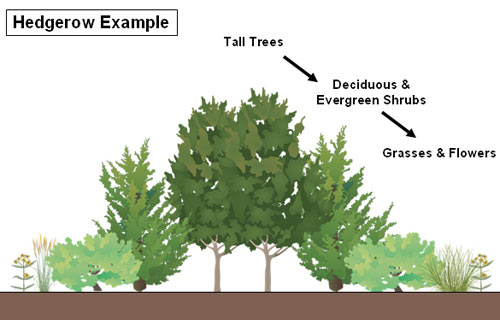
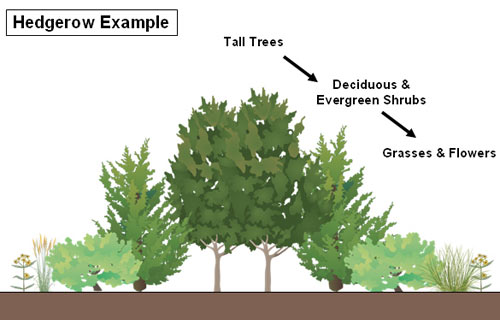
Choosing the best plants for natural hedgerows means selecting species that suit your soil, climate, and goals. Aim for a mix of trees, large shrubs, and smaller shrubs. Include native species where possible for the best wildlife value.
Key native and reliable species to consider:
- Hawthorn (Crataegus monogyna) — A classic hedge tree. It flowers in spring and gives hips in autumn, valuable for birds.
- Blackthorn (Prunus spinosa) — Dense thorny growth. Early spring blossom supports pollinators; sloes feed mammals and birds.
- Field maple (Acer campestre) — Small tree that adds structure and autumn color. Good for shade and birds.
- Hazel (Corylus avellana) — Produces nuts for wildlife. Great for coppicing and creating living fence layers.
- Holly (Ilex aquifolium) — Evergreen and thorny. Provides winter shelter and berries for birds.
- Beech (Fagus sylvatica) — Retains dead leaves through winter if desired. Good for formal or informal hedges.
- Hornbeam (Carpinus betulus) — Tough, tolerant of pruning, and holds brown leaves late into winter.
- Dogwood (Cornus sanguinea) — Colorful stems in winter; good understorey shrub.
- Wild rose (Rosa canina) — Adds flowers and hips. Useful for dense, thorny edge planting.
- Spindle (Euonymus europaeus) — Bright autumn fruit and good for insects.
- Privet (Ligustrum vulgare) — Fast-growing native-style shrub for quick cover where allowed.
- Field rose, guelder rose, and elder — Add seasonal food and structure.
For ornamental or evergreen bias:
- Laurel (Prunus laurocerasus) — Evergreen screening, but low wildlife value compared with natives.
- Photinia and yew — For formal evergreen hedges where native species aren’t required.
Mix at least three types of plants per 10-meter run. This reduces risk from disease and gives staggered flowering and fruiting across seasons. The best plants for natural hedgerows are those that combine structure, wildlife food, and resilience.
How to plan and plant a hedgerow
Good planning makes a hedgerow last decades. Follow these steps.
- Assess the site
- Check soil type, drainage, and sunlight.
- Note neighbors, fences, and access for planting and maintenance.
- Choose a design
- Single-row mixed hedge for narrow strips.
- Double-row or staggered rows for faster dense cover and taller hedges.
- Mixed height for wildlife: trees, tall shrubs, and low shrubs.
- Select plants and spacing
- Use bare-root whips for cost-effectiveness, 30–60 cm apart for single-row mixes.
- Use potted or feathered plants for instant height.
- Alternate species to avoid long single-species runs.
- Planting technique
- Prepare a weed-free trench or individual holes.
- Mix in good topsoil or compost if needed.
- Water in well and protect with tree guards or spiral guards against rabbits and deer.
- Mulch and initial care
- Apply a 5–10 cm mulch ring to retain moisture and suppress weeds.
- Water in dry spells during the first two years.
- Remove weeds within the root area for best establishment.
I once planted a 60-meter mixed hedge on clay soil. We used a double staggered row and planted 40% hawthorn, 20% hazel, 15% field maple, 15% blackthorn, and 10% holly. The hedge reached good density in three years. Early mulching and rabbit guards made a big difference.
Maintenance and pruning
Hedgerows need low but regular care. Proper pruning encourages dense growth and long life.
Pruning schedule
- Year 1–3: Minimal pruning. Remove dead stems and shape lightly.
- Year 4–10: Form the hedge. Prune annually or every two years to encourage bushy growth.
- Mature hedges: Coppice or lay sections every 10–20 years to renew.
Pruning tips
- Use clean tools to avoid spreading disease.
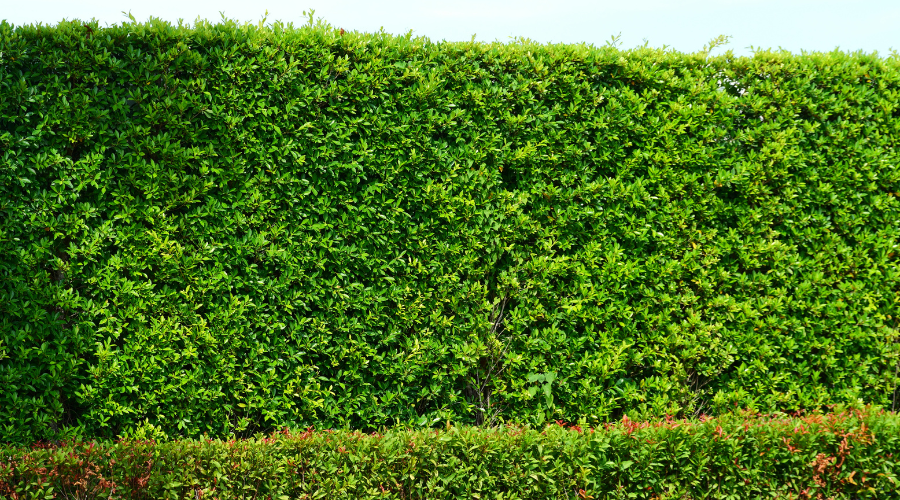
- For formal look, cut outer growth and aim for a slightly wider base than top.
- Consider hedge-laying for mixed native hedges. It renews the hedge and keeps living stems at the base.
Common maintenance tasks
- Replace lost plants in the first five years.
- Monitor pests and disease; act early if many stems show issues.
- Keep gutters and drains clear where hedges overhang.
From my experience, annual light pruning beats heavy trim every few years. It keeps wildlife hiding spots and still provides a neat boundary.
Wildlife and biodiversity benefits
The best plants for natural hedgerows support many species. They provide food, nesting, and corridors for movement.
Benefits include:
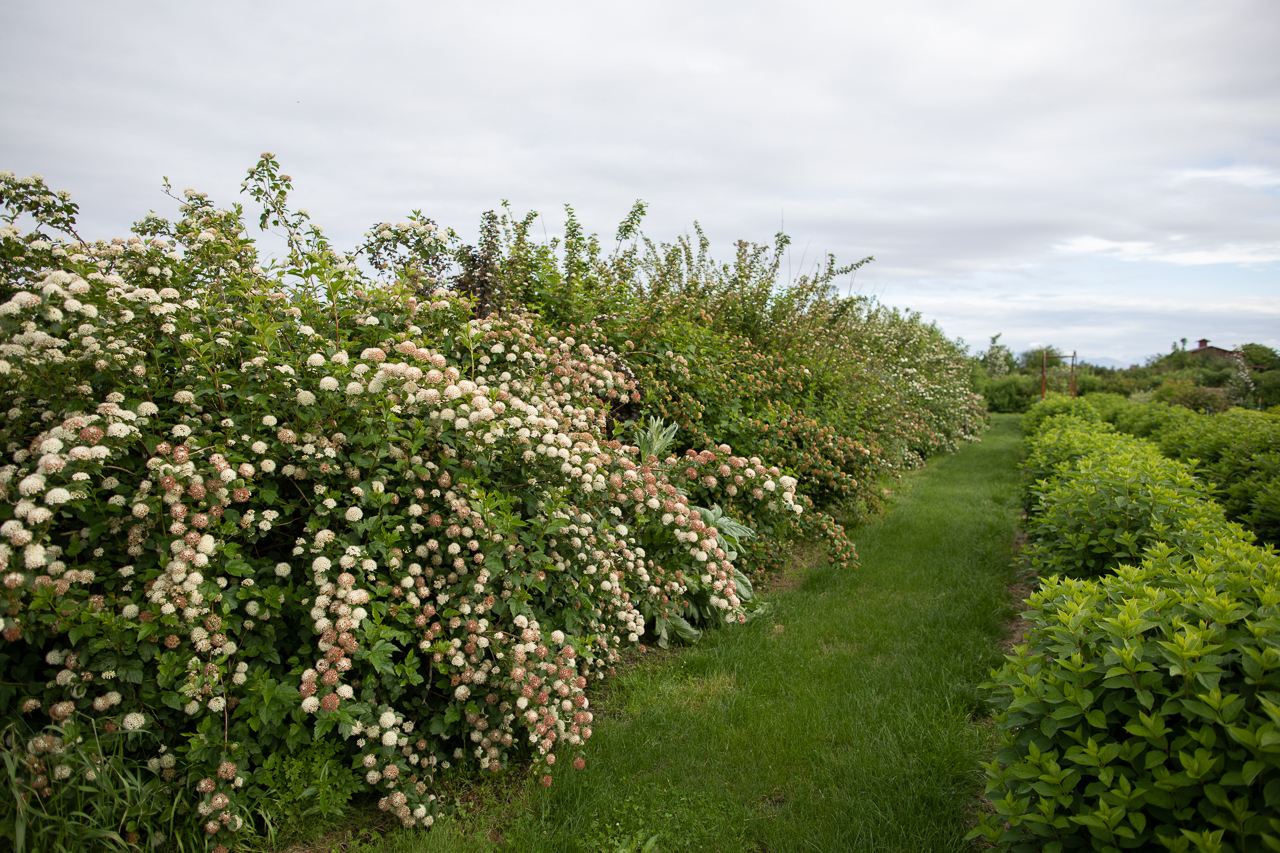
- Nectar and pollen for bees, butterflies, and other pollinators from spring flowers.
- Berries, nuts, and hips for birds and mammals in autumn and winter.
- Nesting sites in dense thorny shrubs and hollows in older stems.
- Safe travel routes that connect fragmented habitats.
To boost biodiversity:
- Plant fruiting species like hawthorn, blackthorn, and elder.
- Leave some dead wood and old stems for insects.
- Allow occasional berry-bearing shrubs to persist and not over-prune.
A mixed native hedgerow on my property increased spring songbird numbers within two seasons. I also saw more hedgehogs and pollinators. The mix of shrubs is key to this success.
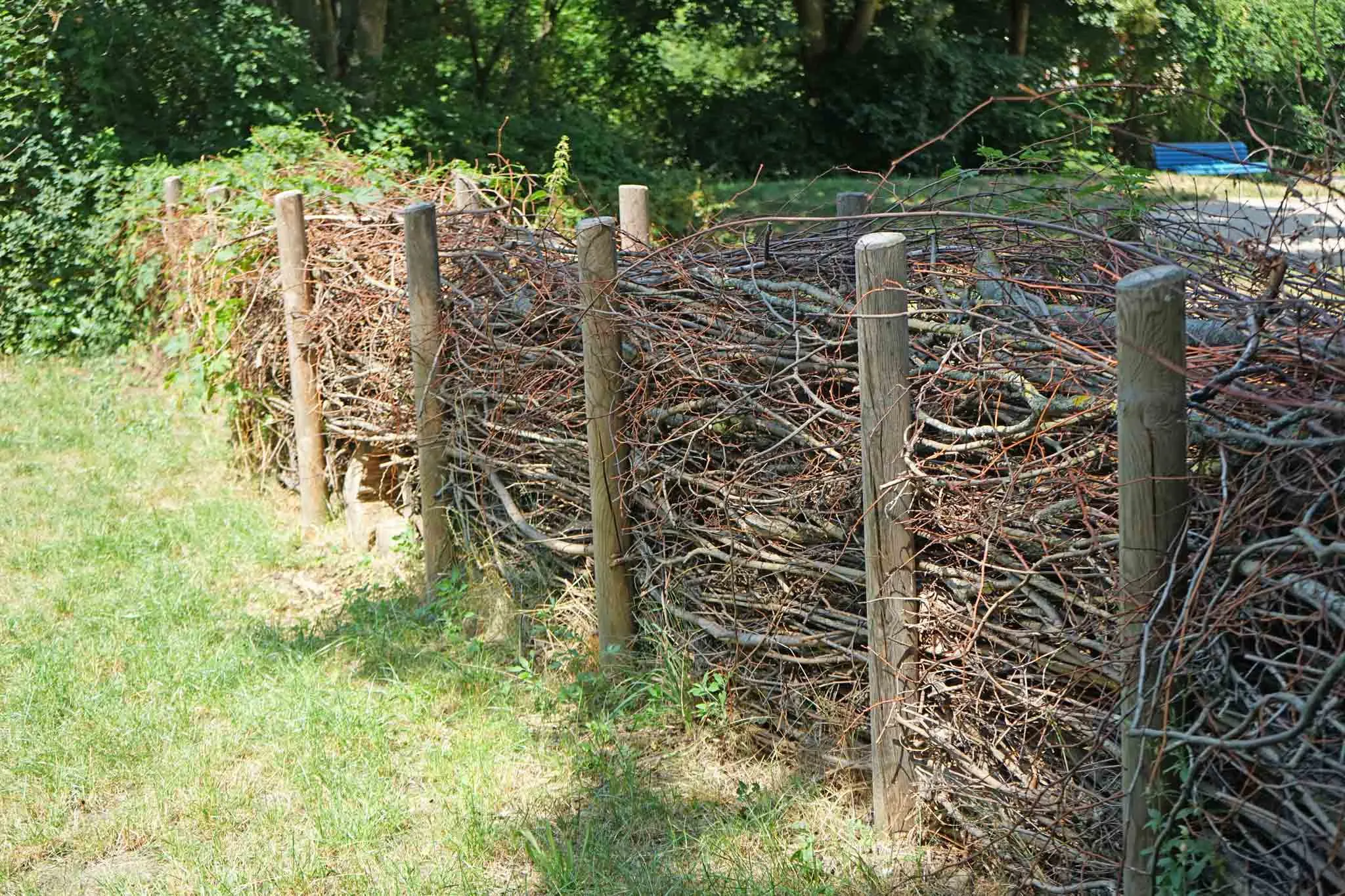
Soil, site, and climate considerations
Match plants to site conditions for success. The best plants for natural hedgerows are those adapted to local soils and weather.
Soil types
- Clay — Choose hardy, tolerant species like hawthorn, field maple, and hornbeam.
- Sandy — Hazel, dogwood, and blackthorn cope well with drier soils.
- Chalk/alkaline — Field maple and some roses do well; avoid acid-loving species.
- Acid/peaty — Select plants that tolerate acid soils, such as holly and some native shrubs.
Climate zones
- Temperate zones — Most native hedging species thrive.
- Colder areas — Choose hardy varieties and protect young plants from frost.
- Coastal sites — Use salt-tolerant species like hawthorn and certain dogwoods.
Microclimate notes
- South-facing slopes dry out faster. Water young plants more often.
- Sheltered sites can host more tender evergreen choices.
If you are unsure, test a small trial hedge first. This gives site-specific feedback before you commit to a long run.
:max_bytes(150000):strip_icc()/thespruce.com-best-shrubs-for-hedges-4151139-1-1a4352e0ea274ccd8bc39402e2bace06.jpg)
Common mistakes and how to avoid them
Avoid these pitfalls to build lasting hedgerows.
Planting mistakes
- Planting single species over long runs increases disease risk.
- Planting too sparsely delays shelter and wildlife value.
- Planting wrong species for soil or climate causes high failure rates.
Maintenance mistakes
- Cutting too low or too often prevents berry and flower production.
- Neglecting guards leads to browsing damage and loss.
- Failing to replace losses in early years reduces long-term density.
Practical fixes
- Use mixed species planting and stagger ages.
- Protect with guards for the first 2–5 years.
- Keep to a light pruning schedule until plants are established.
I once planted a hedge with privet only. An unexpected leaf disease hit and we lost many plants. Replanting with a native mix fixed the gap and added resilience. Mix species from the start.
Propagation and sourcing plants
You can grow hedgerow plants from seeds, cuttings, or buy nursery stock. Each option has pros and cons.
Propagation methods
- Bare-root whips — Cost-effective and easy to plant in dormancy.
- Potted stock — Better for immediate visual impact and for late planting.
- Cuttings — Good for some shrubs like dogwood and willow; takes time and skill.
- Seed — Cheap, but slow and variable in form.
Sourcing tips
- Use local provenance stock where possible to match climate and local diseases.
- Buy from reputable nurseries and check plant health.
- Consider community nurseries or plant exchanges to reduce costs.
In practice, I mix bare-root whips for the backbone and a few potted specimens for key features. This balances cost and instant cover.
Frequently Asked Questions of best plants for natural hedgerows
What are the fastest-growing plants for hedgerows?
Fast growers include privet, willow, and poplar for quick cover. For native mixes, hawthorn and blackthorn grow fast when young and fill gaps quickly.
Can I use non-native species in a natural hedgerow?
Yes, but natives usually support more insects and birds. If you use non-natives, balance with native species to maintain biodiversity benefits.
How long before a hedgerow becomes dense?
A properly planted mixed hedgerow often reaches good density in 3–5 years with care and mulching. Formal appearance may take longer depending on species and pruning.
How often should I prune a natural hedgerow?
Light pruning once a year works well for most hedges. Heavy pruning or coppicing is done every 10–20 years as part of renewal.
Are hedgerows legal to plant on property boundaries?
Rules vary by region. Check local planning rules and neighbor agreements before planting large or high hedges. It’s best to agree with neighbors on placement and height.
Can hedgerows help control soil erosion?
Yes. Deep roots hold soil and reduce runoff, making hedgerows effective on slopes and field margins. Planting dense shrub mixes enhances erosion control.
Conclusion
Planting the best plants for natural hedgerows gives you privacy, wildlife, and a living boundary that improves over time. Choose a mix of native trees and shrubs, match species to your soil and climate, and use simple care steps such as mulching, guards, and light annual pruning. Start small if you need to test the site, and replace losses early to build a dense, resilient hedge. Take action this season: plan your layout, source local stock, and begin planting to enjoy a thriving, natural hedgerow for years to come. Leave a comment below or share your hedgerow plans so others can learn from your experience.