How To Plant A Hedgerow Step By Step: Easy Beginner Guide
Plant a hedgerow by planning the site, picking native shrubs, digging a trench, planting, mulching, and watering.
I have planted hedgerows for years in gardens and farmland. This guide on how to plant a hedgerow step by step draws on hands-on experience and practical research. Read on to learn clear steps, plant mixes, common mistakes, and easy care tips so your hedgerow grows strong and benefits wildlife and your landscape.

Why plant a hedgerow?
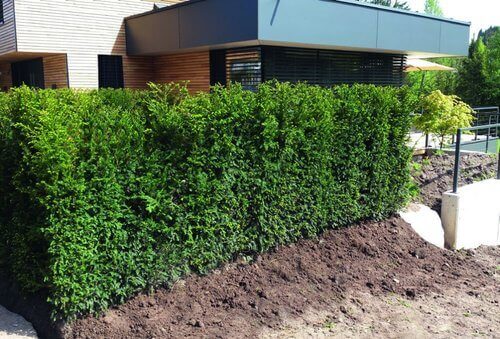
A hedgerow is a line of shrubs and small trees planted close together to form a living fence. Hedgerows give privacy, shelter, and food to wildlife. They can slow wind, reduce soil erosion, and add beauty to a yard or farm. Learning how to plant a hedgerow step by step saves time and avoids costly rework.
Planning your hedgerow: site, laws, and layout
Good planning makes the difference between a weak row and a thriving hedge. Start by checking property lines and local rules. Some areas protect mature hedges or limit changes to boundary vegetation.
Consider these planning points
- Choose a sunny or partly shaded site for most native shrubs.
- Check soil type with a simple test or lab test for pH and nutrients.
- Decide on height and width you want at maturity.
- Note overhead wires and underground utilities before digging.
Layout tips
- Stagger plants in two rows for a thicker hedge if you want quick screening.
- For a single-line hedge, set spacing to match plant type and desired speed of cover.
- Plan gates and maintenance access every 30 to 100 feet.

Choosing the right plants
Select native, hardy species for best survival. Mix evergreen and deciduous plants to give year-round structure and seasonal food for birds and pollinators. Include thorny species for protection if you want a secure boundary.
Plant suggestions for North American climates
- Small trees and large shrubs: Hawthorn (Crataegus), Serviceberry (Amelanchier), American holly (Ilex opaca).
- Berries and wildlife food: Chokeberry (Aronia), Elderberry (Sambucus), Viburnum.
- Structural shrubs: Hazelnut (Corylus), Hawthorn, Dogwood (Cornus sericea).
- Fast cover and soil fixing: Alder or willow for wet sites.
Mix ideas
- Use about 60% berry- and fruit-bearing shrubs, 30% thorny or structural shrubs, and 10% small trees in a long hedge.
- Choose plants suited to your USDA zone and soil moisture.
Tips from experience
- I found that using bare-root whips in winter saved money and established quickly the next spring.
- Avoid only one species. A mix reduces disease risk and boosts wildlife value.

Preparing the site
Prepare well to give young plants the best start. Good prep reduces early losses and makes the line neat.
Steps to prepare
- Clear weeds, turf, and large stones along the line.
- Mark the planting line with string and stakes for straight work.
- Test the soil drainage by digging a 12-inch hole and checking water retention.
- If drainage is poor, build a shallow berm or plant species that tolerate wet roots.
- Add organic matter to poor soils. Work compost into the top 6 to 10 inches.
Spacing and trenching
- For a single line, space shrubs 2 to 4 feet apart for quick cover, or 4 to 6 feet for slower, fuller growth.
- For a double staggered line, use two rows 18 to 24 inches apart with plants 3 to 4 feet between plants in each row.
- For whip planting, dig a continuous shallow trench for easier planting and to plant deeper crowns.

Planting a hedgerow step by step
This step-by-step will guide you through planting a strong hedgerow that sets up well for long-term health.
- Time planting
- Plant bare-root and potted shrubs in late fall to early spring when plants are dormant. This reduces transplant shock.
- Unpack and inspect
- Soak bare roots in water for 1–2 hours before planting. Check for broken roots or damaged crowns.
- Dig holes or trench
- For single plants, dig holes twice the width of the root ball and the same depth as the root collar.
- For a trench, loosen the soil to the depth of the root and create a planting shelf.
- Position plants
- Place each plant so the root collar sits level with the soil surface. Slightly mound in very wet soils.
- Backfill and firm
- Backfill with the soil you removed. Firm gently to remove air pockets but do not over-compact.
- Water in
- Water each plant deeply after planting. Continue regular watering for the first two growing seasons.
- Mulch
- Apply 2 to 3 inches of organic mulch over the root zone. Keep mulch a few inches from stems to avoid rot.
- Protect young plants
- Use tree guards, fencing, or netting to protect from rabbits and deer if needed.
- Label and map
- Mark species with tags and map the layout for future care.
Common mistakes to avoid
- Planting too deep or letting air pockets remain around roots.
- Crowding incompatible species too closely.
- Skipping mulch or initial watering after planting.
Practical tips
- If you plant a long hedgerow, work in sections of 50 to 100 feet to maintain pace and quality.
- Plant on a slight slope for better drainage when soils are tight.
Aftercare and maintenance
Aftercare is simple at first and changes as the hedge matures. Good early care reduces heavy pruning later.
Early care (years 1–3)
- Water weekly in dry spells. Keep a 2- to 3-foot radius moist but not waterlogged.
- Weed or hand-pull grass to reduce competition.
- Replace any dead plants the following dormant season.
Formative pruning and long-term care
- Do light pruning in late winter to shape young plants and remove crossing branches.
- For an informal wildlife hedgerow, prune lightly every 2 to 3 years.
- For a formal hedge, trim once or twice a year to maintain shape.
- Monitor for pests and disease and address issues early.
Wildlife considerations
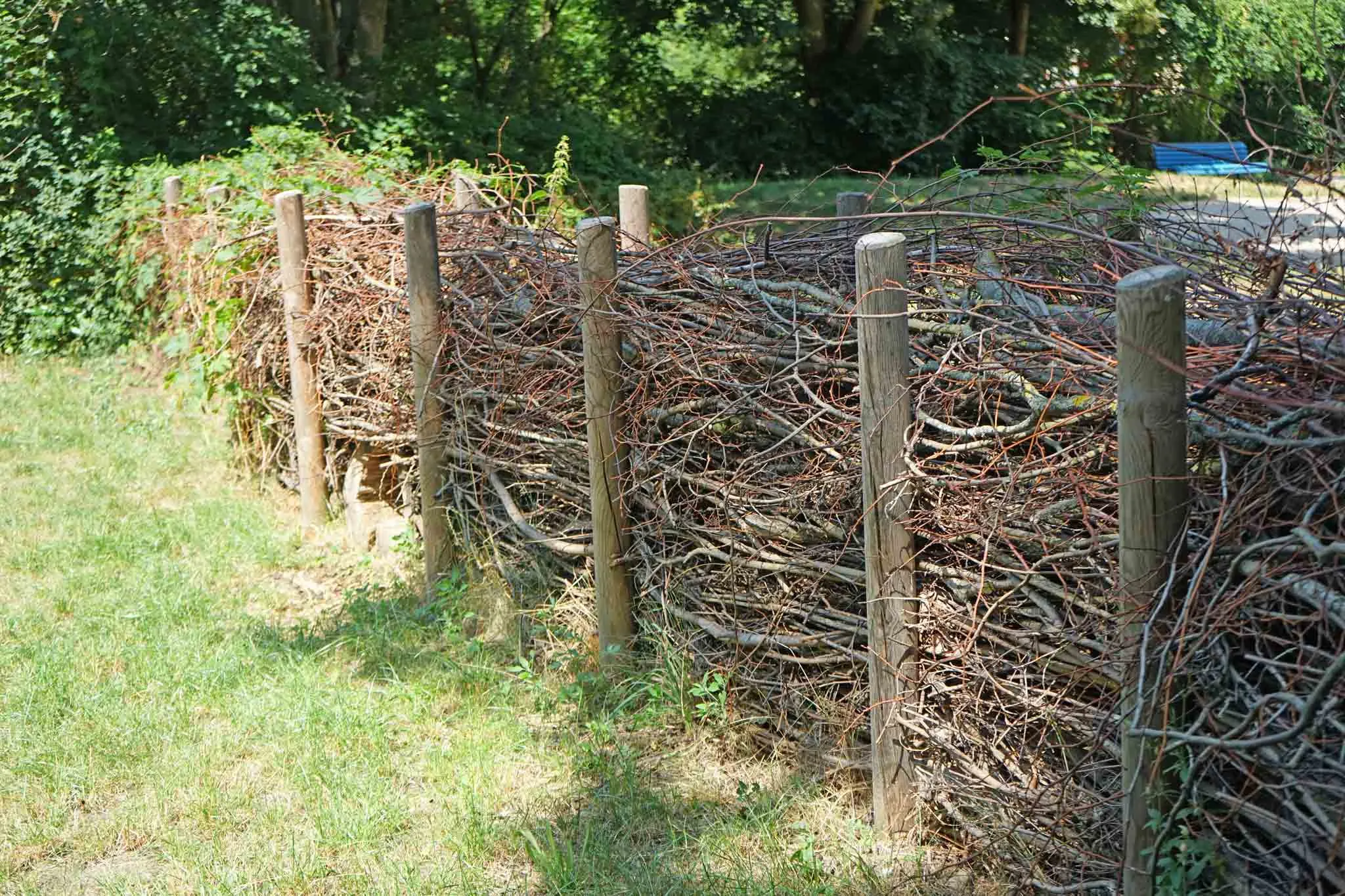
- Leave some dead wood and seed heads through winter to feed insects and birds.
- Avoid heavy pesticide use to protect pollinators.

Benefits, limitations, and expected timeline
A hedgerow returns many rewards but also needs patience and space. Know what to expect.
Benefits
- Provides habitat and food for birds, bees, and other wildlife.
- Acts as a windbreak, privacy screen, and erosion control.
- Adds seasonal color and interest.
Limitations
- Takes several years to form a dense screen. Expect 3–10 years for full effect based on species and spacing.
- Requires space and occasional maintenance.
- Some species may drop fruit or seeds that need cleanup in small yards.
Timeline snapshot
- Year 1: Establishment and root growth.
- Years 2–4: Visible growth and initial screening.
- Years 5–10: Thickening and mature structure.
Wildlife and biodiversity: what to expect
Hedgerows are wildlife powerhouses. A good mix of plants supports many species.
What you will see
- Birds feeding on berries and nesting within dense shrubs.
- Pollinators visiting flowers in spring and summer.
- Small mammals using the hedge for cover.
- Beneficial insects that reduce pest outbreaks on nearby crops or gardens.
Design for wildlife
- Include late-season fruiting species for winter food.
- Plant native flowering shrubs with staggered bloom times.
- Keep a few older stems and logs for invertebrates.
Frequently Asked Questions of how to plant a hedgerow step by step
How deep should I plant hedgerow shrubs?
Plant so the root collar is level with the soil surface. For bare-root plants, spread roots in the trench and cover them with soil to the original depth.
When is the best time to plant a hedgerow?
Late fall to early spring is best when plants are dormant. This timing gives roots time to settle before strong summer heat.
Can I plant a hedgerow from cuttings?
Yes. Some shrubs root well from hardwood or softwood cuttings. Expect slower early growth than nursery plants.
How far apart should I space plants for a dense hedge?
Space 2 to 4 feet apart for quick cover and 4 to 6 feet for a fuller hedge over time. Staggered double rows create thicker screens.
Do hedgerows need fertilizer?
Most hedgerows do fine without regular fertilizer if soil is decent and organic matter is added. Use a soil test to guide any amendments.
Conclusion
Planting a hedgerow step by step is a rewarding project that boosts wildlife, shields your space, and adds long-term value. Start with good planning, choose native mixes, prepare the site, and follow simple planting and care steps. If you begin now, you will watch the hedge grow and learn each season. Try one section first, track what works, and share your results or questions below—your hedgerow journey starts with the first plant.