How To Trim A Hedge Properly: Step-By-Step Care Guide
Trim hedges in late spring or early summer, cutting back about one-third for shape and health.
I have trimmed dozens of hedges over the years and taught neighbors how to do it right. This guide shows exactly how to trim a hedge properly with clear timing, safe tool choices, step-by-step technique, and aftercare. Read on for proven tips, common mistakes, and simple routines that keep hedges dense, healthy, and neat.
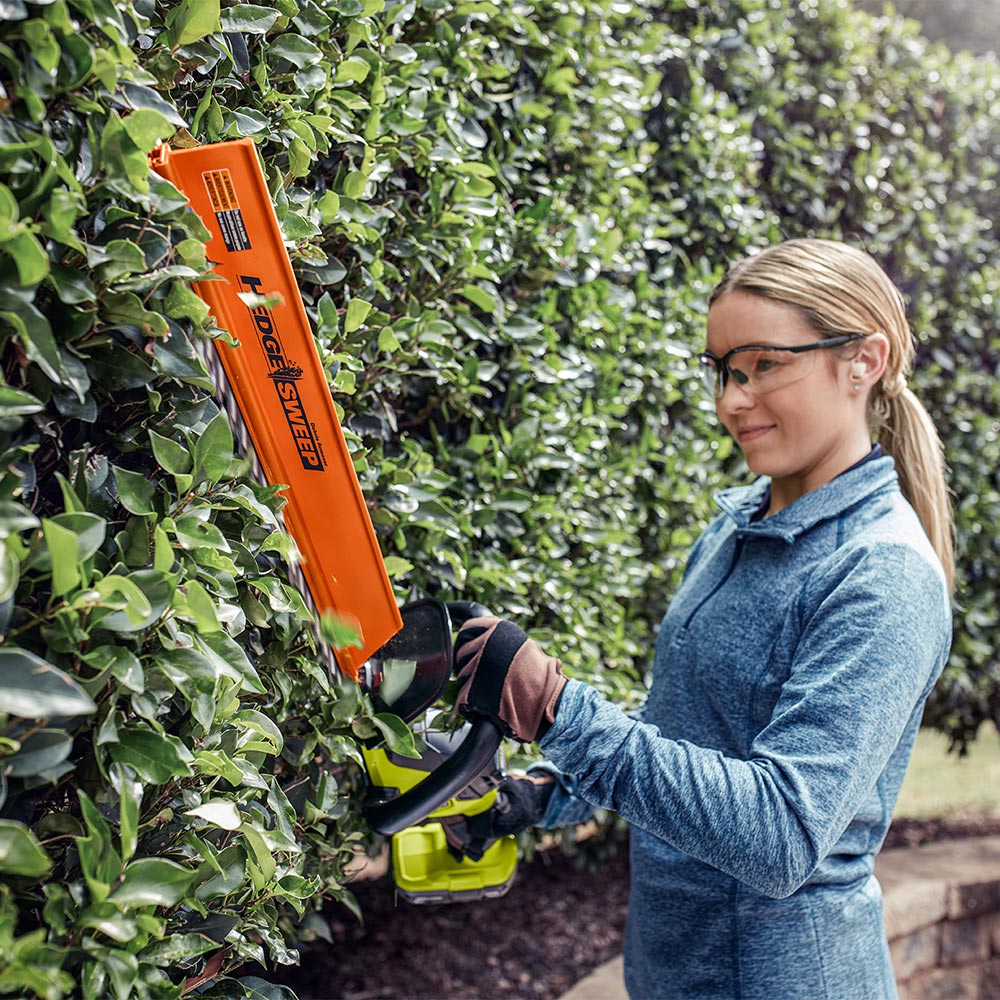
When to trim your hedge
Timing matters for health and bloom. Most hedges respond best to light shaping in late spring and a final tidy in mid-summer. Evergreen hedges can take light trims any time outside heavy frost. Flowering hedges need special timing so you don't cut off next season's blooms.
Factors to consider:
- Climate and hardiness zone affect the best months to trim.
- The hedge species determines whether you prune after flowering or before growth starts.
- Young hedges need more frequent, light trims to set shape. Mature hedges need less frequent, deeper cuts.
Personal note: I once sheared a flowering shrub too early and lost its bloom for the year. Now I mark bloom times on my calendar. This helps me know how to trim a hedge properly while preserving flowers.

Tools and safety
The right tools make the job faster and cleaner. Use sharp, clean tools to reduce plant stress and disease risk.
Essential tools:
- Hand pruners for small stems and precision cuts.
- Loppers for thicker branches up to 1 inch.
- Hedge shears for small hedges and clean faces.
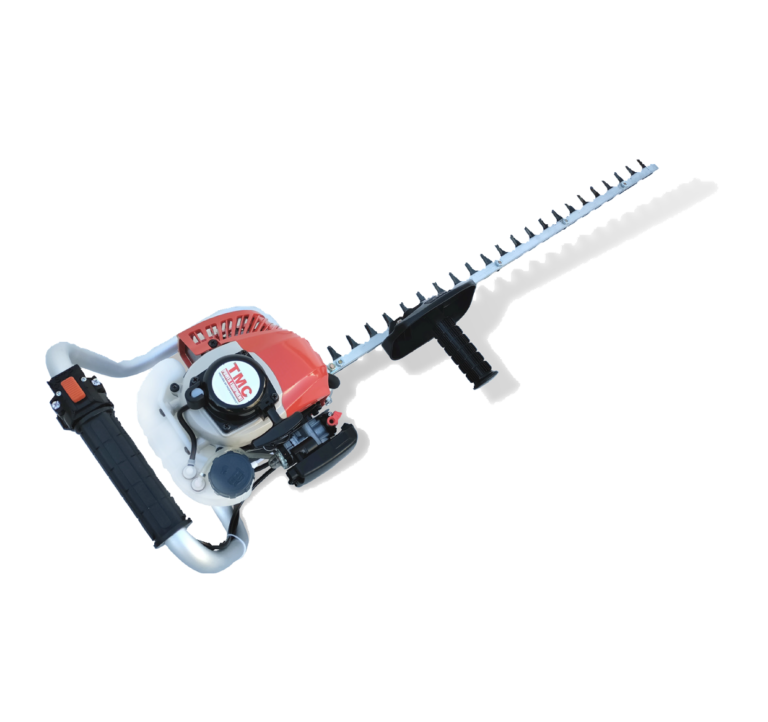
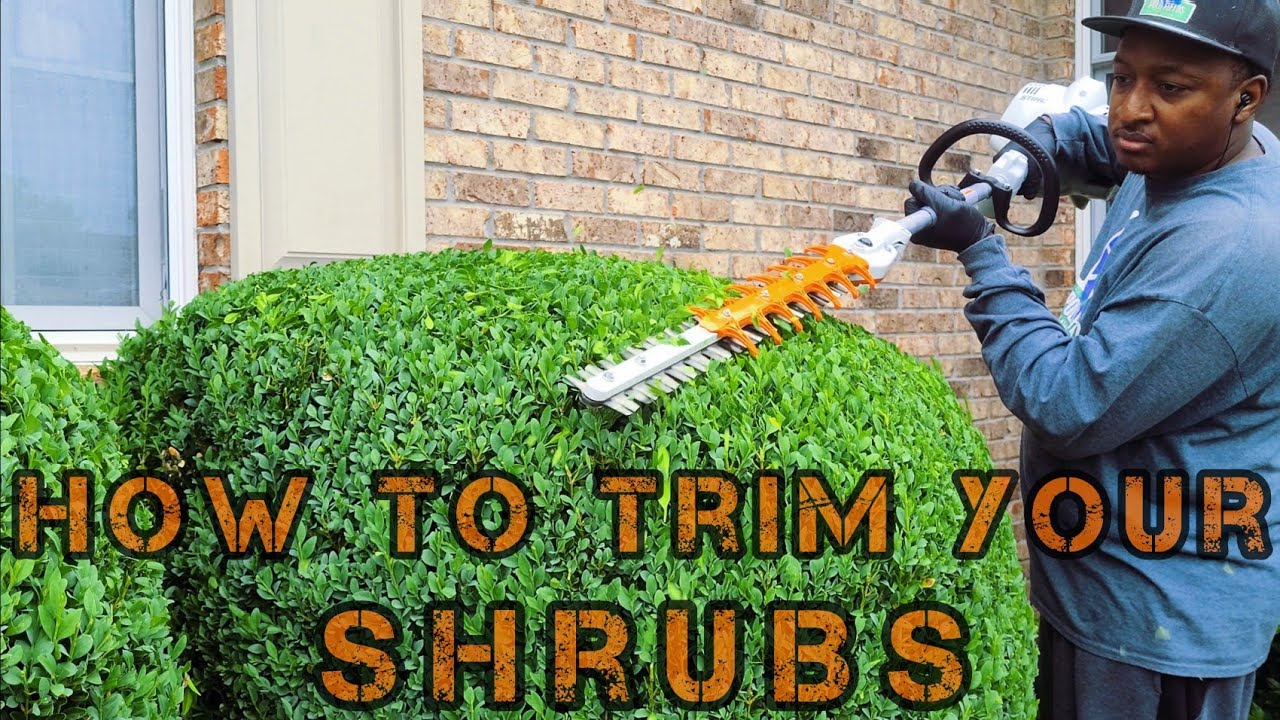
- Powered hedge trimmer for long runs and tall hedges.
- Ladder or pole trimmer for tall sections.
- Gloves, eye protection, and ear protection for powered tools.
Safety tips:
- Keep blades sharp and oiled. Dull blades tear stems.
- Use two hands on power trimmers and keep a firm stance.
- Work from the ground when possible to reduce ladder risk.
- Clean tools with rubbing alcohol between plants if disease is present.
I learned to sharpen my shears after a few ragged cuts. The difference was immediate: cleaner cuts heal faster and look better.

Step-by-step: how to trim a hedge properly
Follow a clear routine for neat, healthy results. These steps work for most formal and informal hedges.
-
Inspect the hedge
- Look for dead wood, disease, and uneven areas.
- Note where shaping is needed and where plants bloom.
-
Remove dead or diseased wood first
- Cut back to healthy tissue.
- Dispose of diseased material away from the hedge.
-
Start with a rough shape
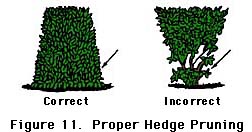
- For tall hedges, trim the sides slightly wider at the base than at the top to let lower leaves get light.
- Use a string guide if you want a perfectly straight line.
-
Make clean, progressive cuts
- Remove no more than one-third of total foliage at once.
- For woody shrubs, spread heavy pruning across seasons to avoid shock.
-
Finish with detail work
- Use hand pruners to tidy corners and gaps.
- Step back often to check symmetry and balance.
-
Clear up and treat wounds
- Clean up clippings to prevent pests.
- Large cuts on some species may benefit from a pruning paint or seal in extreme cases, but most heal naturally.
How to trim a hedge properly means cutting for shape, health, and light. Keep cuts angled slightly upward on the top surface to shed water. This helps prevent rot.
Shapes, styles, and pruning methods
Your desired look guides how you cut. Choose a style that suits the plant and space.
Common styles:
- Formal flat-top: clean, straight lines for structured gardens.
- Natural/informal: gentle shaping to keep a wild look while maintaining control.
- Topiary and sculpted forms: need frequent clipping and careful planning.
- Mixed-height layers: useful for sound or wind buffers and wildlife value.
Pruning methods:
- Thinning removes whole branches to increase light and air inside.
- Shearing cuts the outer growth and creates dense faces.
- Renewal pruning removes older stems to encourage new shoots from the base.
Practical tip: For wildlife, leave some berry-bearing hedges lightly trimmed to feed birds in winter while trimming viewing sides for neatness.
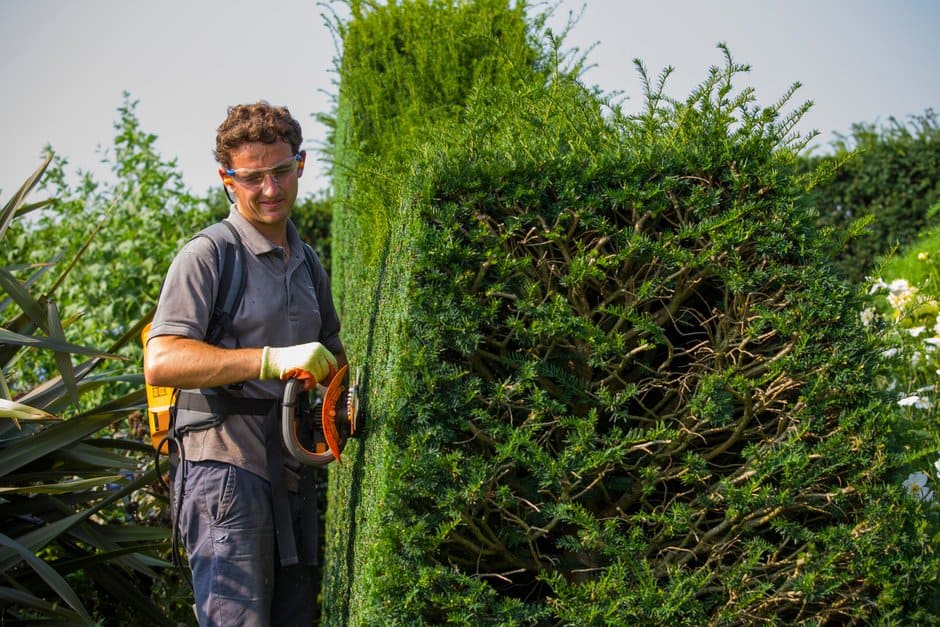
Aftercare and maintenance
Trimming is only part of good hedge care. Aftercare helps hedges recover and stay vigorous.
Post-trim tasks:
- Water deeply after heavy pruning, especially in dry weather.
- Mulch to keep roots cool and moist.
- Fertilize lightly in spring if growth looks slow.
- Check for pest or disease signs weekly for a few weeks after heavy cuts.
Routine maintenance:
- Light trims every 6–8 weeks during the growing season keep shape tidy.
- Annual or biannual inspections catch problems early.
From experience, regular small trims save time. A 20-minute touch-up prevents a 3-hour overhaul.

Common mistakes and how to avoid them
Avoid these pitfalls when you learn how to trim a hedge properly.
Common errors:
- Cutting more than one-third at once, which can stress or kill plants.
- Shearing too low on evergreens, causing dead zones near the base.
- Trimming flowering hedges at the wrong time, removing blooms.
- Neglecting tool maintenance, which leads to ragged cuts and disease.
- Using the same pruning approach for all species.
How to avoid them:
- Learn your hedge species' growth and bloom habit.
- Plan cuts across seasons for heavy pruning.
- Keep tools sharp and clean.
- Start small and step back frequently to check your work.

Quick questions gardeners ask (PAA-style)
What is the best time of day to trim a hedge?
- Early morning or late afternoon is best. Cooler hours reduce plant stress and keep you comfortable.
Can I use a powered trimmer on all hedge types?
- Most can handle it, but delicate or flowering shrubs may do better with hand pruners to protect buds.
How much should I cut back each year?
- Aim to remove no more than one-third of live growth in a single session. Spread heavy cuts over two seasons if needed.
Does trimming encourage denser growth?
- Yes. Regular, light trimming stimulates side shoots and thicker growth near cuts.
Is it okay to cut into old wood?
- Some species do not reshoot from old wood. Check species rules and avoid heavy cuts if the plant lacks basal buds.

Frequently Asked Questions of how to trim a hedge properly
How often should I trim a hedge?
Aim for light trims every 6 to 8 weeks during active growth. Major shaping once or twice a year is usually enough.
Can I trim hedges in winter?
Trim in winter only if the hedge is dormant and species tolerate it. Avoid heavy pruning in deep freeze and for spring-flowering shrubs.
How high should I trim a hedge?
Trim to a height that fits your space and allows sunlight to reach the lower leaves. Keep the base slightly wider than the top for light access.
What to do if I cut a hedge too hard?
Stop cutting. Water and mulch well, avoid fertilizing heavily, and allow slow recovery. Prune lightly the following season to encourage new shoots.
Are hedge trimmers safe for beginners?
Yes, with training and safety gear. Start with hand tools to learn plant response, then progress to powered trimmers when comfortable.
Conclusion
Trimming a hedge properly keeps plants healthy, attractive, and long lived. Use the right timing, tools, and a gentle, steady approach. Start small, learn your hedge species, and make gradual changes over seasons. Try the steps here on a small hedge first, and you will build confidence quickly. Share your results, ask questions, or subscribe for more gardening tips.