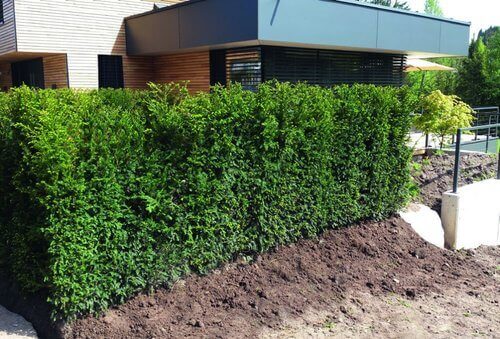
How To Plant A Hedgerow Step By Step: Easy Guide
Plant a hedgerow step by step: plan, plant native shrubs, space, mulch, water, and prune.
I have planted many hedgerows over two decades. I will walk you through how to plant a hedgerow step by step with clear, practical advice. This guide mixes research, hands-on tips, and simple routines you can follow. Read on to learn site choice, plant mixes, planting technique, care, and common mistakes so your hedgerow thrives.

Why plant a hedgerow?
A hedgerow gives privacy, habitat, and a living fence. It can reduce wind, control erosion, and support birds and pollinators. Planting a hedgerow also stores carbon and improves soil life. I started using hedgerows on my small acreage to replace fences. They created wildlife corridors and cut my wind damage in half in two years.
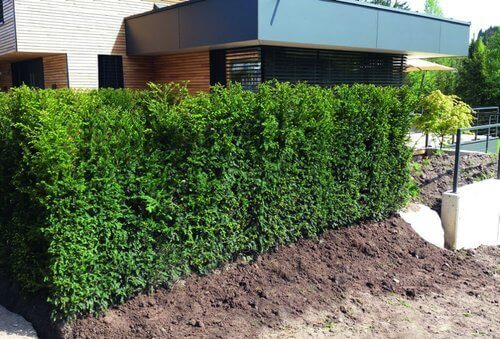
Planning your hedgerow: goals, site, and timing
Decide your goals first. Do you want screening, wildlife habitat, or a windbreak? Choose a site with good drainage and sun or shade info. Check local rules for boundaries and protected species. Map the line and mark utilities before digging.
Timing matters. Plant bare-root shrubs in late fall or early spring. Container plants can go in any frost-free season. For most places, late winter is best for roots to establish before summer heat.

Choosing plants and design
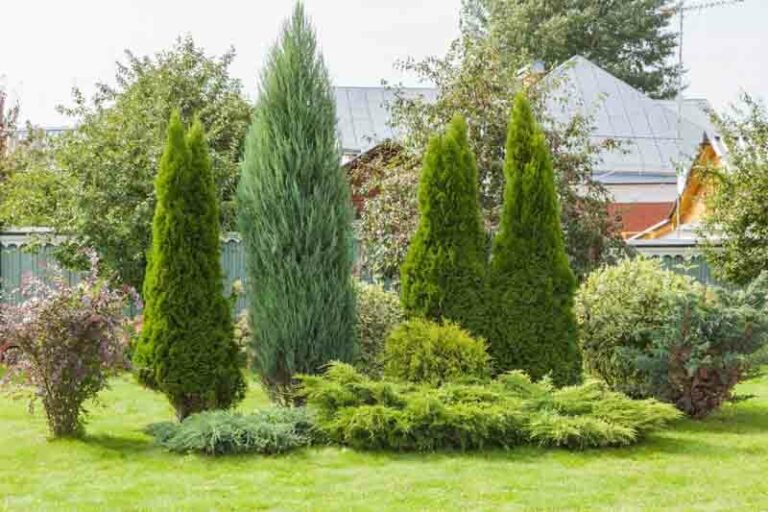
Pick native shrubs and trees. Native plants suit local soil and wildlife. Use a mix of species for year-round structure and food. Aim for 5 to 8 species for a rich hedgerow.
Consider plant size and growth habit. Use small shrubs for the front and taller trees or standards behind. Space plants closer for quick screens or wider for single-row hedges.
Plant list ideas:
- Small shrubs for berries and flowers: hawthorn, blackthorn, hazel
- Taller shrubs or small trees: dogwood, field maple, hornbeam
- Evergreen elements for year-round cover: yew, holly, box (if suitable)
I prefer plugs and bare-root whips. They are cheap and establish well when planted correctly. Mix fruiting shrubs for birds. Use local provenance stock if possible for better survival.

How to plant a hedgerow step by step: the planting process
Follow these clear steps to plant a hedgerow step by step. Keep tools ready: spade, dibber, compost, mulch, tree guards, and string.
- Mark the line and lay string. This keeps a straight hedgerow.
- Prepare the soil by removing weeds and grass. For dense turf, remove a 30 cm strip.
- Dig planting holes wide and deep enough for roots to spread. For bare-root, make a shallow trench for the root system.
- Position plants at the correct depth. Plant root collars at soil level. Do not bury them.
- Backfill gently and firm the soil with your foot to remove air pockets.
- Water in each plant well. For bare-root plants, soak roots before planting and water after.
- Apply a 5–10 cm mulch layer. Keep mulch away from stems to avoid rot.
- Install tree guards or protectors if rabbits or deer are an issue.
- Space plants according to your design. Typical spacing is 30–60 cm for a dense hedge, and 1–2 m for a mixed single-row hedgerow with standards.
- Keep the first year free of heavy pruning. Let the plants establish roots.
Repeat: how to plant a hedgerow step by step means planning, preparing, planting, protecting, and watering. Each step matters for survival and growth. I have found that firming the soil and mulching well cuts losses in half.

First year care and maintenance
Check plants weekly in dry weather. Water deeply, not often. Keep weeds and grass away from the base for the first two years. Replace any dead plants promptly to maintain cover.
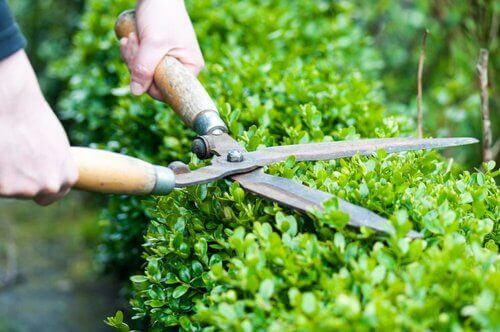
Prune lightly in late winter or early spring to shape and encourage bushy growth. Avoid hard cutting in year one. After two to three years you can start structural pruning to form a continuous hedge.
How long to establish?
Most hedgerows start to look full in 3–5 years. Full structural maturity takes longer. With regular care, you will see big changes in the first three years.
Wildlife and ecosystem benefits
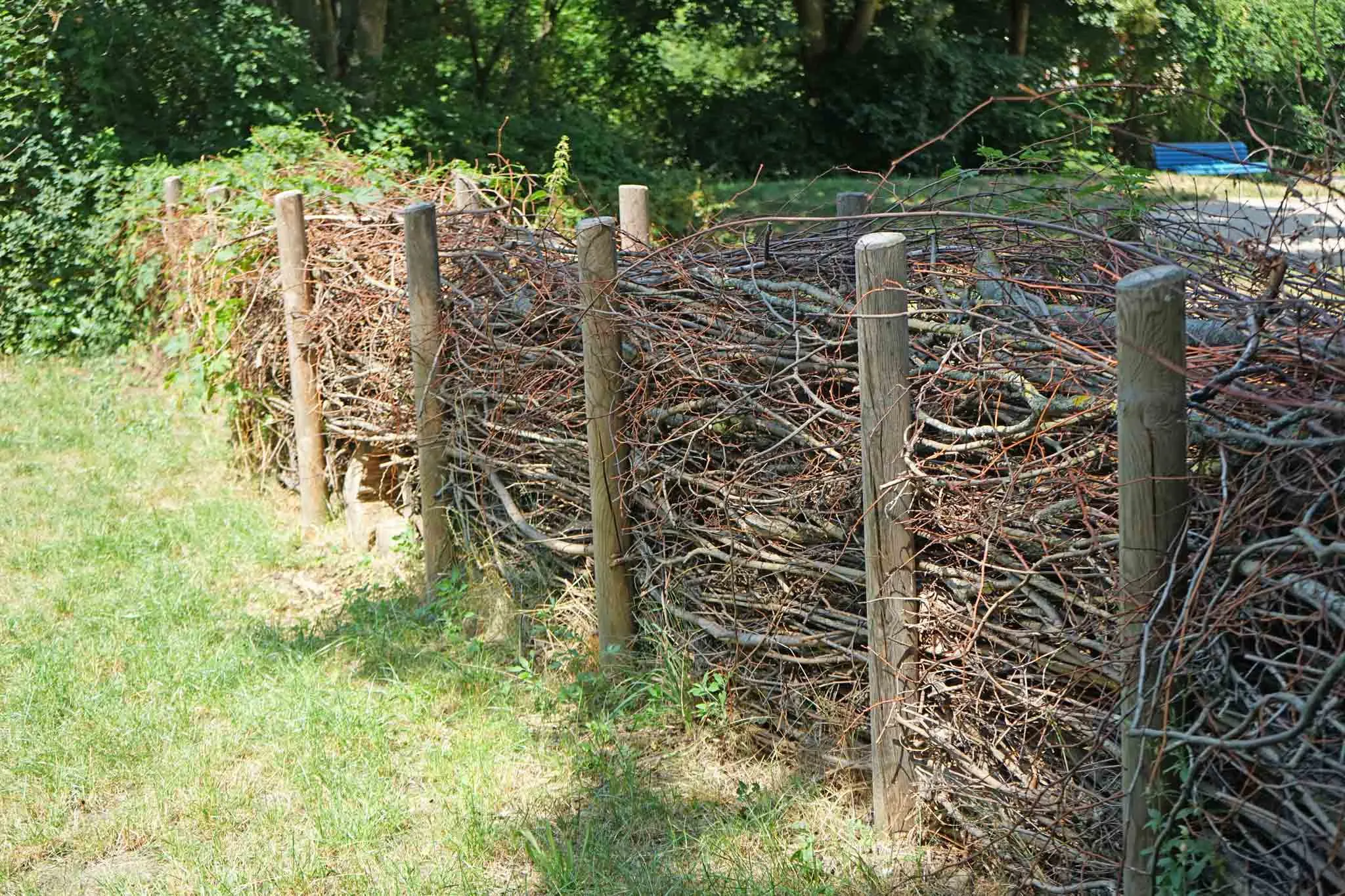
A hedgerow is like a mini forest edge. It brings birds, insects, and small mammals. Flowers feed pollinators in spring and summer. Berries and nuts feed birds in autumn and winter.
Plant diverse species to maximize benefits. Include flowering shrubs, berry producers, and evergreen cover. I often add nurse plants like brambles for early shelter and insect habitat.

Common mistakes and how to avoid them
Avoid these common errors when you learn how to plant a hedgerow step by step.
- Planting too deep. This causes rot. Plant root collars at soil level.
- Skipping soil prep. Poor soil lowers survival. Remove turf and add organic matter.
- Crowding without plan. Too many fast-growers create future problems. Mix species and plan spacing.
- Ignoring protection. Rabbits can wipe out young hedges. Use guards in high-risk areas.
- Overwatering or underwatering. Water deeply and check soil moisture.
From my experience, the biggest mistake is rushing the layout. Take time to space plants. A careful layout saves replanting later.
Practical examples and case studies
Example 1: Small suburban front boundary
I planted a mixed hedge of native shrubs spaced 50 cm apart. I used hedgerow plants including hawthorn and hazel. In three years it provided privacy and nesting sites.
Example 2: Rural windbreak
I used a double-row with standards mixed in. The hedge reduced wind speed and sheltering crops in the adjacent field. The mixed heights worked well for wind and habitat.
These examples show how how to plant a hedgerow step by step adapts to scale and purpose.
Frequently Asked Questions of how to plant a hedgerow step by step
How deep should I plant hedgerow shrubs?
Plant hedge roots deep enough so the root collar sits at soil level. Avoid burying stems. Shallow planting helps roots breathe and prevents rot.
What spacing is best for a dense hedgerow?
Space small shrubs 30 to 60 cm apart for a quick, dense hedge. For larger mixed hedgerows, space 1 to 2 meters between standards. Choose spacing by desired speed and final size.
When is the best time to plant a hedgerow?
Late winter to early spring is best for bare-root plants. Container-grown plants can be planted in spring or autumn. Avoid planting in hot, dry weather.
Do hedgerows need pruning every year?
Light pruning annually helps shape and encourage bushy growth. Major shaping every few years is fine. Avoid heavy cuts in the first one to two years.
Can I plant a hedgerow for wildlife and privacy?
Yes. Use a mix of flowering, fruiting, and evergreen species. Mix heights and species for shelter, food, and cover year-round.
Conclusion
Planting a hedgerow step by step is a rewarding, practical project. Start with clear goals, choose native species, prepare the soil, and follow a simple planting routine. Protect new plants and give steady care in the first years. Your hedgerow will grow into a living fence and habitat that benefits you and wildlife.
Take action this season. Mark your line, order plants, and set a planting day. Share your results, ask questions, or subscribe for more planting guides.