Root Division Vs Stem Cuttings: Best Propagation Guide
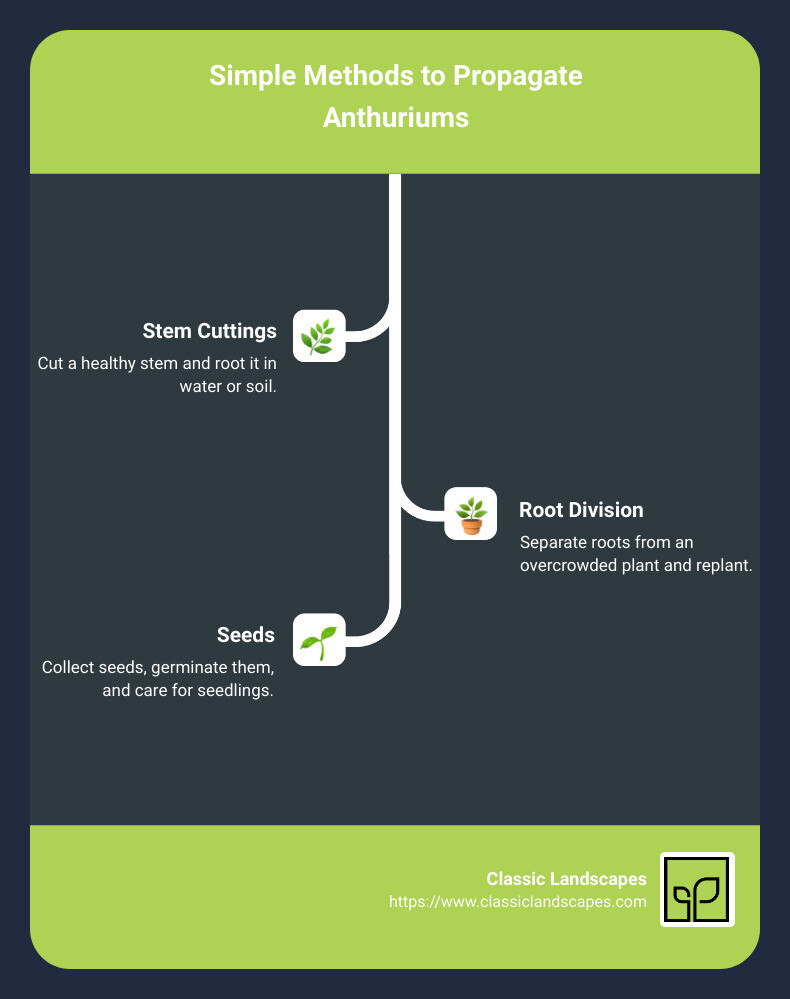
Root division splits a mature plant; stem cuttings clone new plants from shoots.
If you’ve ever wondered which method gives faster, healthier, and more economical results, you’re in the right place. I’ve spent years testing root division vs stem cuttings in home gardens, greenhouses, and teaching demos. This guide breaks down what works, when, and why—so you can choose the best method for your plants, your space, and your goals.

Understanding Root Division and Stem Cuttings
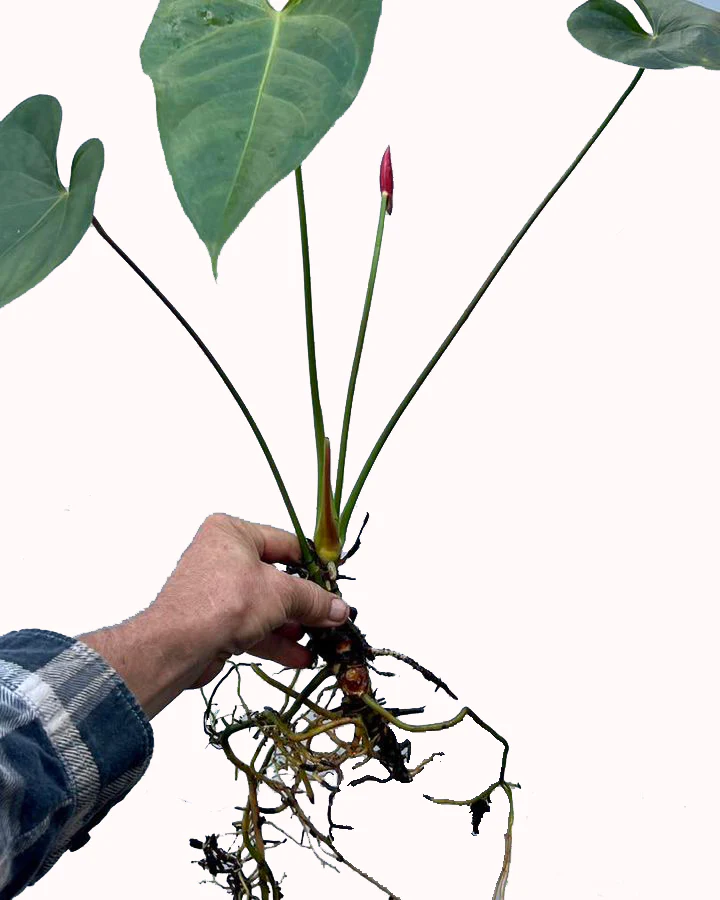
Root division is the act of splitting a mature plant’s root mass into two or more sections, each with roots and shoots. It is common for clumping perennials such as hosta, daylily, bee balm, rhubarb, and ornamental grasses. Each division is already a mini plant and usually establishes fast.
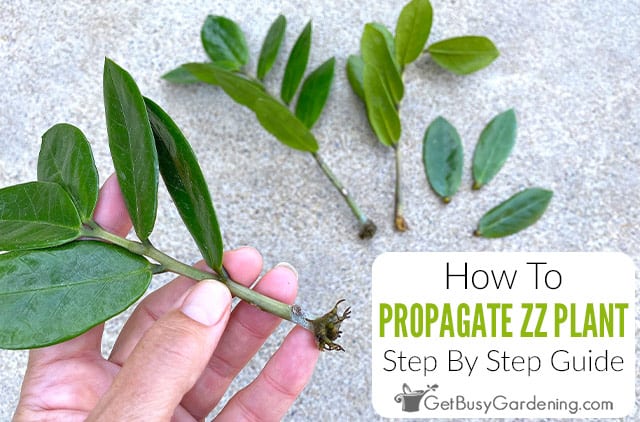
Stem cuttings are pieces of stems taken from a parent plant and rooted to make a clone. You can take softwood, semi-hardwood, or hardwood cuttings depending on the species and season. Stem cuttings suit many houseplants and shrubs like pothos, philodendron, coleus, rosemary, lavender, willow, hydrangea, and figs.
In simple terms, root division multiplies a plant that is already big, while stem cuttings build new plants from small pieces. Both create genetic copies, but they shine in different moments of a plant’s life.

Root Division vs Stem Cuttings: Key Differences at a Glance
Choosing between root division vs stem cuttings comes down to plant type, timing, and scale. Here are the key contrasts I share with new propagators:
- Best candidates: Root division favors clumping perennials; stem cuttings fit many vines, shrubs, and houseplants.
- Speed to plantable size: Root division often gives instant garden-ready plants; stem cuttings need weeks to root and harden.
- Stress and risk: Root division stresses the parent plant; stem cuttings risk rot or wilting.
- Tools and setup: Root division needs a sharp spade or knife; stem cuttings need clean pruners, hormone, and a light, airy medium.
- Seasonality: Root division peaks in early spring or early fall; stem cuttings can be done most months depending on wood type.
- Scalability: Root division yields a few divisions per clump; stem cuttings can produce dozens from one plant.
- Disease transfer: Root division can transfer soil pathogens; stem cuttings need sterile technique to prevent rot.
- Water needs: Divisions need deep watering; cuttings need high humidity and gentle moisture.
When you weigh root division vs stem cuttings, think about your plant’s growth habit and your patience for aftercare.
When to Use Root Division vs Stem Cuttings
Use root division when:
- The plant forms clumps, crowns, or rhizomes.
- The center looks tired or hollow and needs renewal.
- You want fast, landscape-ready pieces from a hardy perennial.
- You plan to refresh a bed in spring or early fall when temps are mild.
Use stem cuttings when:
- The plant does not divide well (many shrubs and houseplants).
- You want many new plants from one parent at low cost.
- You can provide steady humidity and warmth.
- You want to preserve exact traits, like flower color or leaf variegation.
Real examples from my beds:
- I split overgrown daylilies every three years; divisions perk up bloom the next season.
- I root coleus and basil cuttings on a bright windowsill for quick, cheap clones.
- For rosemary, semi-hardwood cuttings in late summer give me the best strike rates.
Step-by-Step: Root Division
Follow these steps to divide like a pro:
- Water well the day before. Moist soil reduces shock.
- Lift the clump. Use a spade to dig wide, then pry up the root mass.
- Shake or wash off soil. You need to see the crowns and roots.
- Inspect and plan cuts. Keep at least one growing point and a healthy root bundle per division.
- Make clean cuts. Use a sharp, sanitized knife or spade. Remove dead or mushy bits.
- Optional dusting. A light dust of fungicidal sulfur or cinnamon can deter rot.
- Replant at the same depth. Space divisions to match mature size.
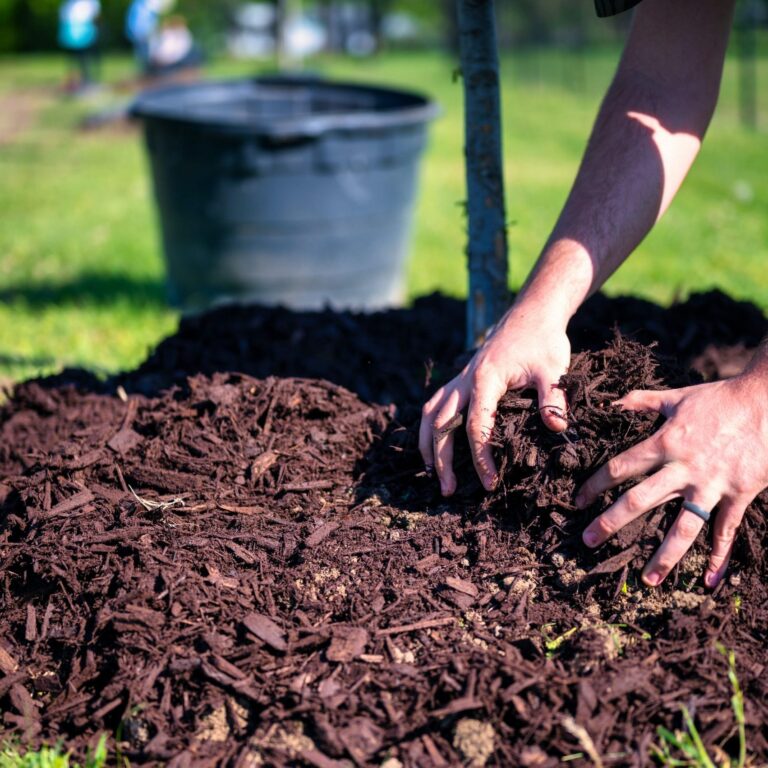
- Water and mulch. Water deeply, then mulch to hold moisture.
- Shade if needed. Temporary shade helps reduce stress in sunny spots.
Personal tip: I once rushed a hosta split on a hot day and skipped mulch. Half of my divisions flopped. Now I always mulch and give two days of shade; success shot up.
Step-by-Step: Stem Cuttings
Here is my simple, repeatable method:
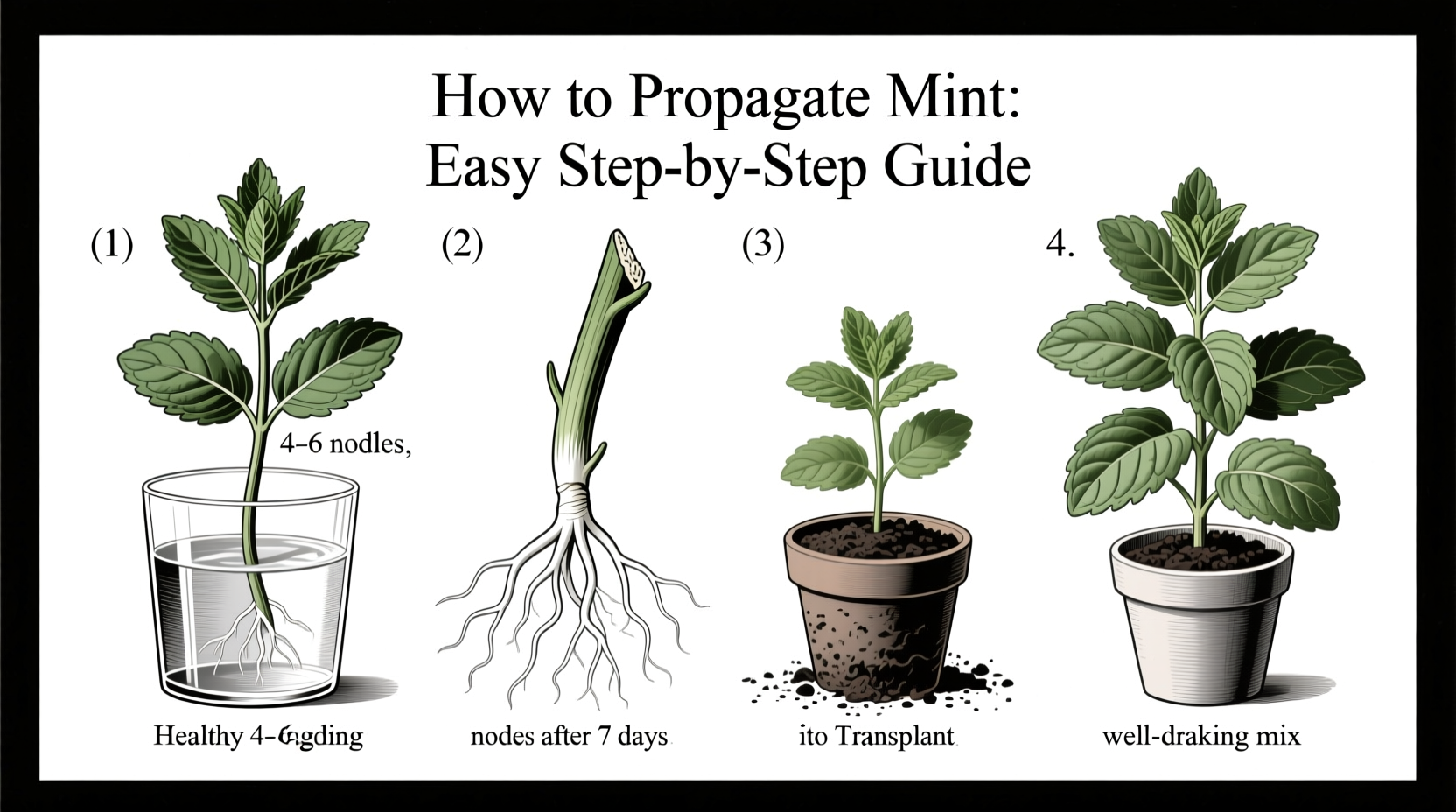
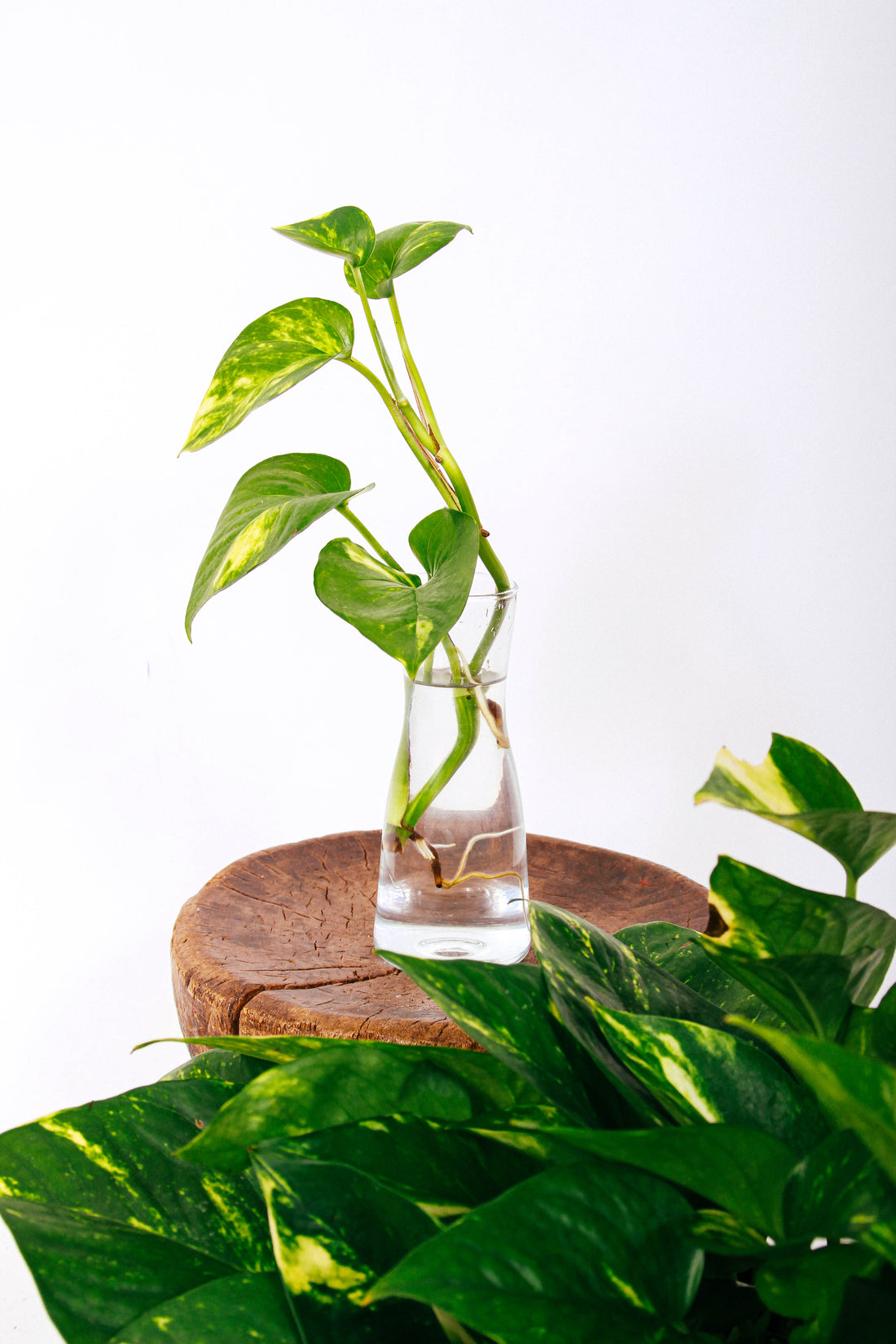
- Choose material. Take non-flowering shoots. For many herbs and houseplants, 3–5 inch softwood cuttings are ideal.
- Make the cut. Cut just below a node with sanitized pruners.
- Strip lower leaves. Leave only the top two leaves; halve large leaves to cut water loss.
- Use rooting hormone. Dip in IBA powder or gel; tap off excess.
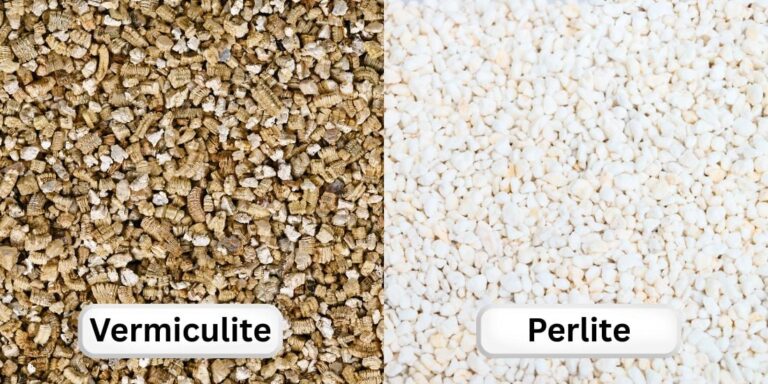
- Plant in airy medium. I use 1:1 perlite and peat or coco coir in small pots or trays.
- Firm and water. Set cuttings so at least one node is below the surface; moisten evenly.
- Cover for humidity. A clear dome or plastic bag creates a mini greenhouse. Vent daily.
- Provide warmth and light. Bright, indirect light and 70–75°F bottom warmth speed rooting.
- Wait and test. Tug gently after 10–21 days. Resistance means roots.
- Harden off. Open vents more each day for a week before potting up.
Anecdote: My hydrangea hardwood cuttings root best in late winter under a clear storage bin. With clean tools and bottom heat, I average 60–70% takes.
Tools, Materials, and Hygiene
Clean gear prevents disease in both root division vs stem cuttings. Keep it simple:
- Cutting tools: Sharp spade, hori-hori, pruning shears, and a clean knife.
- Containers and media: Nursery pots, cell trays, perlite, peat or coco, coarse sand.
- Add-ons: Rooting hormone (IBA), sulfur or cinnamon, mulch, labels, and a spray bottle.
- Hygiene: Wipe blades with 70% alcohol. Use fresh, sterile media for cuttings. Rinse pots.
Rule I never skip: sanitize between plants, especially when moving from a sick or unknown plant to a healthy one.

Aftercare: Light, Water, Nutrition, and Potting Up
Aftercare makes or breaks both methods:
- Light: Bright, indirect light suits fresh cuttings. Divisions can handle more sun but may benefit from a few days of shade.
- Water: Keep cuttings evenly moist, not soggy. Water divisions deeply, then allow the top inch to dry between drinks.
- Humidity: Cuttings crave high humidity early on. Divisions just need soil moisture.
- Nutrition: Wait to fertilize until cuttings root and push new growth. Divisions can take a gentle, balanced feed after two weeks.
- Potting up: Move cuttings to potting mix once roots are 1–2 inches long. Treat gently and avoid breaking new roots.
Common Problems and How to Fix Them
Here’s how I troubleshoot in root division vs stem cuttings:
- Wilting cuttings: Lower light, raise humidity, and trim leaf area. Check for heat stress.
- Blackened stems: That’s often rot. Improve airflow, use fresher media, and go lighter on water.
- Slow or no rooting: Try fresher wood, slightly warmer temps, and a small bump in hormone.
- Divisions not thriving: Replant at correct depth, water deeply, and trim excess top growth to match reduced roots.
- Fungal issues: Sanitize tools, remove infected tissue, and consider a mild fungicide if needed.
Timing, Environment, and Success Rates in Root Division vs Stem Cuttings
Timing matters:
- Root division: Early spring as growth starts or early fall while soil is warm helps roots reestablish fast.
- Stem cuttings: Softwood in spring to early summer; semi-hardwood in late summer; hardwood in late fall to winter.
Environment targets that have worked for me and align with extension guidance:
- Temperature: 70–75°F for most softwood cuttings; 65–70°F for semi-hardwood; cool but not freezing for hardwood.
- Humidity: 80–95% RH during the first week for cuttings; normal garden humidity is fine for divisions.
- Light: Bright, indirect light for cuttings; divisions tolerate site-appropriate light right away.
Success rates vary by species and skill. With clean tools and proper conditions, I see 80–95% takes on easy houseplants, 50–80% on many shrubs, and near 100% survival on sturdy divisions like daylilies or hostas.
Cost, Time, and Scalability in Root Division vs Stem Cuttings
Think like a small nursery:
- Upfront cost: Root division is almost free but labor-heavy; stem cuttings need trays, media, and humidity covers.
- Time to plantable size: Divisions are near-instant. Cuttings need weeks to root, then more time to size up.
- Output per plant: Divisions yield a handful of new plants. Cuttings can scale fast, letting you fill beds or share with friends.
My rule of thumb: divide to refresh a bed and get a few chunky plants now; use cuttings when you want a tray full of identical plants for a project later.
Real-World Examples: Matching Method to Plant
Pair plant types with the best method:
- Best for root division: Hosta, daylily, astilbe, iris (rhizomes), chives, echinacea, ornamental grasses.
- Best for stem cuttings: Pothos, philodendron, coleus, rosemary, lavender, sage, hydrangea, fig, geranium, succulents.
- Mixed options: Sedum and some ferns respond to both, but choose based on your timeline.
Lesson learned: I used to divide lavender. Results were poor. Semi-hardwood cuttings in late summer now give me sturdy, compact plants that overwinter well.
Safety, Cleanliness, and Plant Health
Healthy parent plants make healthy clones:
- Choose disease-free stock. Avoid any plant showing wilt, spots, or cankers.
- Quarantine new plants. Give two weeks before propagating them.
- Mind sap and skin. Some plants have irritating sap. Wear gloves and wash up.
- Label everything. Note variety, date, and method (especially helpful when testing root division vs stem cuttings side by side).
Frequently Asked Questions of root division vs stem cuttings
Is root division or stem cuttings faster?
Root division is faster to a garden-ready plant. Stem cuttings take more time at first but can scale up in numbers.
Which method is better for beginners?
Stem cuttings of easy houseplants like pothos or coleus are very forgiving. Root division is also simple for tough perennials like daylilies.
Do I need rooting hormone for cuttings?
Not always, but it helps many woody plants and speeds softwood rooting. Use lightly and keep tools clean.
When is the best season for root division vs stem cuttings?
Divide in early spring or early fall when weather is mild. Take softwood cuttings in spring, semi-hardwood in late summer, and hardwood in late fall or winter.
Will both methods keep the same plant traits?
Yes, both produce clones of the parent plant. Watch for virus or disease transfer; only propagate from healthy stock.
Can I propagate succulents by division or cuttings?
Many succulents root well from stem or leaf cuttings. Some clumping succulents also divide cleanly.
Why do my cuttings rot?
Overwatering, low airflow, and dirty tools are common causes. Use airy media, vent humidity domes, and sanitize blades.
Conclusion
Root division vs stem cuttings is not a contest—it’s a toolkit. Divide clumping perennials to refresh growth and get instant, sturdy plants. Use stem cuttings to multiply favorites at scale, preserve exact traits, and save money. Start with one plant this week, track your steps, and tweak your setup. You’ll build skill fast and fill your space with healthy, homegrown clones.
Ready to grow more with less? Try one method today, share your results, and subscribe for new plant-by-plant propagation guides.