Full Sun Vs Partial Shade: Planting Guide 2026
Full sun suits heat-loving plants; partial shade protects tender crops from stress.
If you’ve ever wondered when to choose full sun vs partial shade, you’re in the right place. I’ve tested both across small patios, city yards, and large beds. I’ll guide you through how light works, what plants want, and how to avoid costly mistakes. By the end, you’ll know how to match full sun vs partial shade to your space, your climate, and your goals.

What Do Full Sun and Partial Shade Mean?
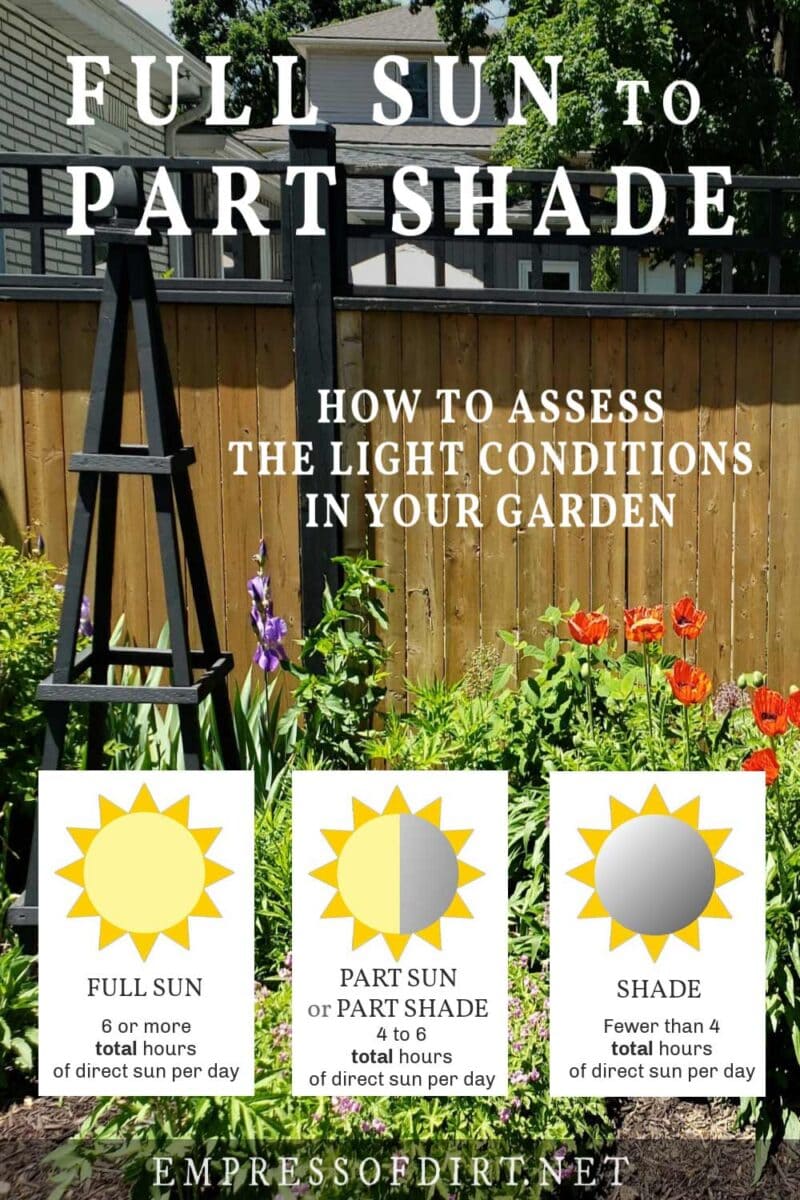
Garden light terms sound simple, but they matter a lot. Full sun means at least 6 hours of direct sun each day, often more. Partial shade means 3 to 6 hours of direct sun, or bright light that is filtered by trees or structures.
Think in blocks of time. Morning sun is soft and kind. Midday sun is strong and hot. Late sun is warm but less harsh. When you weigh full sun vs partial shade, look at both the hours and the heat.
Watch your space for one full day. Note where shadows move. Note hot spots near walls or stone paths. Shade from a fence at noon changes a bed from full sun to partial shade in a snap. This small check saves plants and time.

Full Sun vs Partial Shade: Pros, Cons, and Best Uses
Each light level has upsides and downsides. The trick is to use them on purpose.
Pros of full sun:
- Higher yield for sun lovers like tomatoes and peppers.
- Stronger color on flowers like zinnias and marigolds.
- Faster drying leaves after rain, which can lower some disease risk.
Cons of full sun:
- Soil dries fast. You water more.
- Heat stress in hot zones. Fruits can sunscald.
- Young plants can wilt or stall if set out too soon.
Best uses for full sun:
- Summer crops, prairie flowers, herbs with oils like rosemary and thyme.
- Fruit trees and vines that need strong light.
- Pollinator strips with nectar-rich blooms.
Pros of partial shade:
- Cooler roots and calmer leaves in heat waves.
- Longer bloom on shade-tolerant plants.
- Easier upkeep in dry or windy spots.
Cons of partial shade:
- Slower growth for sun-demanding crops.
- Fewer flowers on light-hungry plants.
- Damp shade can invite slugs and some leaf diseases.
Best uses for partial shade:
- Leafy greens, peas, and herbs like parsley and mint.
- Woodland flowers and ferns.
- Beds near walls or trees where heat builds.
In short, full sun vs partial shade is not “better vs worse.” It is a tool. Pick the tool that fits your plant and your climate.

How Light Works in Your Garden
Light is more than hours. It has strength and angle. Summer sun hits high and hot. Winter sun is low and weak. A south wall can act like a heater. A tree can act like a filter.
Key ideas in simple terms:
- Direct light hits leaves with no block.
- Indirect light is bright but bounced off a wall or sky.
- Dappled shade is light through leaves. It shifts by the minute.
Want numbers? A cheap light meter or phone app can help. You do not need lab data. But a quick scan at 9 a.m., noon, and 3 p.m. tells a clear tale. This helps you pick spots for full sun vs partial shade with less guesswork.
My tip: Map your bed in three zones. Full sun in the center or south side. Partial shade on the north side or near tall plants. Deep shade under dense trees. Then match plants to zones.

Plant Examples: What Thrives Where
Here are real-world picks that have worked well for me and many clients.
Full sun favorites:
- Vegetables: Tomatoes, peppers, eggplant, squash, cucumbers, corn.
- Herbs: Rosemary, thyme, oregano, basil.
- Flowers: Zinnias, sunflowers, coneflowers, black-eyed susans, lavender.
Partial shade winners:
- Vegetables: Lettuce, spinach, kale, arugula, peas.
- Herbs: Cilantro, parsley, mint, chives.
- Flowers: Impatiens, begonias, hostas, astilbe, heuchera.
Edge cases that like both if you adjust care:
- Root crops: Carrots and beets will grow in partial shade, but take longer.
- Berries: Raspberries and currants handle partial shade, but fruit size may drop.
- Hydrangeas: Many do well in morning sun and afternoon shade.
When I trialed lettuce in July heat, the full sun bed bolted fast. The partial shade bed stayed crisp two weeks longer. This is the heart of full sun vs partial shade: align plant need with light and heat.

Matching Plants to Your Space: A Step-by-Step Guide
Use this simple flow to pick the right spot.
- Measure light. Track sun hours for a full day on a clear day.
- Note heat traps. Brick walls and stone paths bounce heat.
- Group by need. Put sun lovers in the sunniest zone.
- Layer smart. Tall sun plants to the south so they do not cast shade on short ones.
- Test and tweak. Move pots. Use shade cloth for a week if plants wilt.
If you must grow a sun lover in partial shade, choose a compact or early variety. If you must grow a cool crop in full sun, give it morning sun and afternoon shade with a simple screen.
Care Differences: Water, Soil, and Heat
Water:
- Full sun dries soil fast. Mulch is a must. Drip lines help a lot.
- Partial shade needs less water, but do not let soil stay soggy.
Soil:
- In full sun, add compost to boost water hold.
- In partial shade, ensure good drainage. Wet shade rots roots.
Heat:
- In full sun, light-colored mulch keeps roots cooler.
- In partial shade, prune nearby branches for a few more rays in spring or fall.
I learned the hard way that basil in full sun on a south-facing wall needed extra mulch and a mid-day check. In partial shade, that same basil grew slower but did not scorch. That is full sun vs partial shade in action.

Design Tips: Mix Sun and Shade for Beauty and Yield
You can blend both for looks and harvest.
- Use tall sunflowers as living shade for lettuce at their feet.
- Plant tomatoes on the south side, greens on the north side.
- Use light, airy plants like cosmos to cast dappled shade in heat waves.
- Place reflective surfaces, like a pale fence, to boost light in a dim corner.
For patios, place heat-loving pots on the edge that gets the most light. Keep leafy greens tucked where they get morning sun and a cool afternoon.
Troubleshooting: Signs Your Plant Wants More or Less Sun
Needs more sun:
- Long, weak stems that lean to light.
- Few flowers or small fruit.
- Pale leaves without pests.
Needs less sun:
- Scorched or crispy leaf edges.
- Fruit with sunscald spots.
- Wilting at noon that does not fix with water.
How to fix fast:
- Move pots to match full sun vs partial shade needs.
- Add a simple shade cloth in the hottest hours.
- Prune back overhead shade to add an extra hour of light.

Seasonal and Climate Factors to Weigh
Light shifts by season. A bed that is full sun in June may be partial shade in October. Trees leaf out and change the math. Buildings cast longer shadows in winter.
Climate matters too:
- Hot, arid zones: Partial shade makes summer crops bear longer.
- Cool, cloudy zones: Full sun is gold. Use it for fruiting crops.
- Humid zones: Morning sun dries leaves. Afternoon shade cuts stress.
When you plan full sun vs partial shade, think ahead one season. I plant spring peas where tomatoes will go later. The spot gets partial shade now, then full sun in summer when the sun rises higher.
Frequently Asked Questions
What is the difference between full sun and partial shade?
Full sun is at least 6 hours of direct light per day. Partial shade is 3 to 6 hours, or bright but filtered light for much of the day.
Can tomatoes grow in partial shade?
Yes, but expect fewer and smaller fruits. Aim for morning sun and bright light the rest of the day for the best balance.
Do leafy greens prefer full sun or partial shade?
Most leafy greens love partial shade, especially in summer. They stay tender longer and are less likely to bolt.
How do I measure sun in my yard?
Watch the spot for one clear day and count direct sun hours. A simple phone light app can help compare areas.
Is afternoon shade better than morning shade?
For heat-prone plants, yes. Morning sun warms them up, and afternoon shade protects them from peak heat.
Can flowers still bloom in partial shade?
Many can, like impatiens, begonias, and some hydrangeas. Bloom count may drop compared to full sun lovers, but color can last longer.
Will mulch help plants in full sun?
Yes. Mulch keeps roots cool and soil moist. It reduces stress and saves water in hot spots.
Conclusion
Light is a lever you can pull. When you match full sun vs partial shade to plant needs and your climate, growth improves, stress drops, and care gets easier. Start by mapping your light, group plants by need, then tweak with mulch, shade cloth, or pruning.
Try one small change this week. Move a pot, add morning sun, or give a leafy bed afternoon shade. Share your results, subscribe for more guides, or drop your questions so we can grow smarter together.