How To Use Compost Correctly: Easy Pro Tips
Use compost like a soil booster: mix it in, top it off, and avoid overdoing it.
If you want healthier plants, better soil, and less waste, learning how to use compost correctly is one of the best gardening skills you can build. I’ve seen compost fix tired garden beds, help seedlings settle in, and even bring life back to compacted soil, but only when it’s used the right way. In this guide, I’ll walk you through how to use compost correctly with simple, practical steps, real-world tips, and the common mistakes that trip people up.

What compost actually does in the garden
Compost is decomposed organic matter that improves soil structure, feeds soil life, and helps plants grow stronger. It is not just “dirt food.” It works more like a slow-release support system for the whole root zone.
When you use compost correctly, you improve water holding, air flow, and nutrient availability at the same time. That’s why gardeners often call it black gold. The science behind it is solid: healthy compost adds organic matter, which supports microbes and makes soil easier for roots to explore.
Here’s the simple idea:
- Compost improves poor soil by adding organic material.
- Compost supports beneficial microbes that help break down nutrients.
- Compost helps sandy soil hold water and clay soil drain better.
- Compost can reduce the need for some fertilizers, but it does not replace all of them.
From my own experience, compost works best when you think of it as a soil amendment, not a magic fix. I’ve made the mistake of dumping thick layers on top of beds and expecting instant results. The plants survived, but the soil did not improve as evenly as it could have.

How to use compost correctly in garden beds
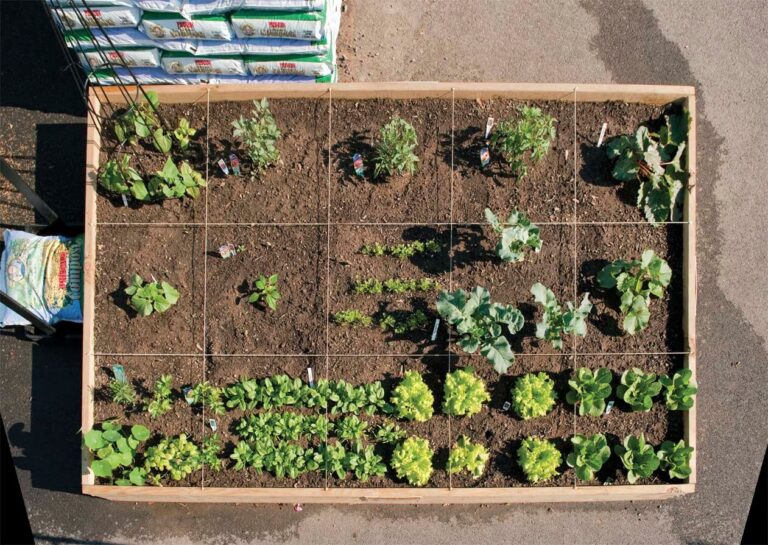
The most common way to use compost correctly is to spread it over the soil and work it into the top layer. For established beds, a 1 to 2 inch layer is usually enough. For new beds with poor soil, you may need a bit more, but piling it on too thick can cause problems.
A good routine looks like this:
- Clear weeds and large debris from the area.
- Spread finished compost evenly over the bed.
- Mix it into the top 6 to 8 inches of soil if you are preparing a new bed.
- For existing beds, leave it as a top layer or lightly scratch it into the surface.
- Water the area after applying compost so it settles in.
If your soil is already healthy, you do not need huge amounts. I used to think more compost always meant better results, but that is not true. Too much compost can create nutrient imbalances, especially in vegetable beds.
A top dressing works well in spring and fall. It slowly feeds the soil and protects the surface from drying out. Think of it like a blanket that warms, feeds, and protects at the same time.
How to use compost correctly for vegetables
Vegetable gardens often benefit the most from compost because vegetables are heavy feeders. Still, timing and amount matter. A balanced layer of finished compost before planting usually gives the best results.
Use compost this way in a vegetable garden:
- Before planting, work 1 to 3 inches of compost into the topsoil.
- Around growing plants, add a thin top dressing around the base.
- For transplants, mix compost into the planting hole with native soil.
- After planting, mulch lightly to help retain moisture.
I’ve had the best results with tomatoes, peppers, squash, and leafy greens when compost was added before planting. Tomatoes especially seem to appreciate rich, loose soil. But I’ve also seen root crops like carrots grow forked or oddly shaped when compost was too fresh or too thick.
That’s an important lesson: vegetables need nutrients, but they also need room to grow properly. Compost should support the soil, not smother it.
How to use compost correctly for lawns
Compost can help lawns recover from thin spots, dry patches, and compacted soil. The best method is often called topdressing. You spread a very thin layer over the grass, then water it in.
Follow this simple method:
- Mow the lawn first.
- Spread a thin layer of screened compost, usually about 1/4 inch.
- Rake it lightly so it reaches the soil surface.
- Water well after application.
This works especially well on patchy lawns or after aeration. Aeration opens small holes in the turf, and compost fills those spaces with organic matter and microbes. I’ve seen this do more for weak grass than a bag of quick fertilizer ever could.
Do not bury the grass under a thick layer. Grass blades still need light and air. A heavy compost layer can suffocate the lawn instead of helping it.
How to use compost correctly in pots and containers
Container gardening is different because pots have limited space and drain faster. You can use compost in containers, but not as the only ingredient. Compost is rich, but it can be too dense if used alone.
A good container mix often includes:
- Potting soil for structure
- Compost for nutrients
- Perlite or pumice for air and drainage
- Coir or peat for moisture retention
A common blend is about 25 to 30 percent compost in a container mix. For seedlings, use even less so the mix stays light. I learned this the hard way after overloading a tomato pot with compost and ending up with soggy roots.
For established container plants, top dressing is a smart option. Add a small layer of compost on top of the soil, then water it in. This refreshes nutrients without changing the whole mix.
How to use compost correctly around trees and shrubs
Trees and shrubs do well with compost when it is placed where roots can reach it, but not piled against the trunk. Spread compost in a wide ring under the drip line, then cover it with mulch if needed.
Use this method:
- Spread compost in a circle around the tree or shrub.
- Keep compost a few inches away from the trunk or stem.
- Apply a layer about 1 to 2 inches thick.
- Water thoroughly after applying.
The goal is to feed the root zone, not to bury the bark. One of the biggest mistakes I see is the “volcano” effect, where people pile compost or mulch right against the trunk. That traps moisture and can lead to rot or pest problems.
Trees want a broad, gentle feeding zone. Picture a quiet buffet spread out under the canopy, not a heap pressed against the base.
When compost is ready to use
Finished compost should look dark, crumbly, and earthy. It should smell like forest soil, not rotten food. If you still see a lot of original material or it feels hot, it may not be ready yet.
Use finished compost when it has these signs:
- Dark brown or black color
- Earthy smell
- Crumbly texture
- No obvious food scraps
- No heat coming from the pile
Using unfinished compost can cause problems. It may tie up nitrogen in the soil while microbes keep breaking it down. In practical terms, that means your plants can look pale or weak even though the soil was amended.
Aged compost is safer for most garden uses. If you are unsure, give it more time. Patience here pays off.
How much compost should you use
The right amount depends on the job. More is not always better, and that is a lesson many gardeners learn after one enthusiastic weekend with a wheelbarrow.
General compost amounts:
- Garden beds: 1 to 2 inches on top
- Poor soil preparation: up to 3 inches mixed in
- Lawns: about 1/4 inch for topdressing
- Containers: 20 to 30 percent of the mix
- Trees and shrubs: 1 to 2 inches in a wide ring
If you are not sure, start small. You can always add more later. Too much compost, especially manure-based compost, can increase salts or nutrients beyond what some plants can handle.
Mistakes to avoid when using compost
Even good compost can cause trouble when it is used poorly. The biggest issues usually come from timing, thickness, or compost quality.
Avoid these common mistakes:
- Using unfinished compost that is still breaking down
- Piling compost too thick around stems or trunks
- Using compost as a complete replacement for soil
- Applying compost to waterlogged ground
- Forgetting that different plants have different needs
- Using compost with too much manure in sensitive beds
I once added a thick layer of fresh compost to a new bed before checking whether it was fully cured. The soil looked rich, but some seedlings struggled at first. That taught me to test compost with my hands, my nose, and a little patience before trusting it in the garden.
How compost supports soil health over time
Compost does more than feed plants for one season. Over time, it improves soil texture, moisture balance, and biological activity. That is why repeated, moderate use usually works better than one huge application.
Benefits of regular compost use include:
- Better water retention during hot weather
- Improved drainage in heavy soils
- More earthworm and microbial activity
- Healthier root growth
- Less erosion and surface crusting
Research and extension guidance consistently point to organic matter as a key part of long-term soil health. Compost is one of the easiest ways to build that organic matter naturally. It turns tired soil into living soil, which is the real goal.
How to store and handle compost safely
Compost is generally safe, but it should be handled with care, especially if it is dusty or not fully cured. Keep it in a dry place and cover it if rain can wash nutrients away.
Good handling habits:
- Store compost off the ground if possible
- Cover it with a breathable tarp or lid
- Wear gloves if the compost is dusty
- Wash hands after handling it
- Avoid inhaling dust if the material is dry
If you are using homemade compost, keep meat, dairy, and oily foods out of the pile unless you have a system designed for them. That helps reduce pests and odors. Good compost smells clean and earthy, not sour or rotten.
Frequently Asked Questions
How often should I add compost to my garden?
Most gardens do well with compost once or twice a year. A spring application and a fall application are common because they help rebuild soil between growing seasons.
Can I use compost instead of fertilizer?
Compost can reduce the need for fertilizer, but it usually does not replace it completely. It adds slow, broad soil benefits, while fertilizer gives a more direct nutrient boost.
Is too much compost bad for plants?
Yes, too much compost can create nutrient imbalance, salt issues, or overly rich soil for some plants. Root crops and young seedlings are especially sensitive to heavy applications.
Can I put compost directly on top of soil?
Yes, top dressing is one of the best ways to use compost correctly. It slowly works its way into the soil with rain, watering, worms, and normal garden activity.
How do I know if compost is finished?
Finished compost looks dark, feels crumbly, and smells earthy. If it still smells sour, looks like food scraps, or feels hot, it likely needs more time.
Conclusion
Using compost correctly is simple once you understand the basics: use finished compost, apply the right amount, and place it where roots can benefit from it. Whether you are feeding vegetable beds, refreshing a lawn, or improving container soil, compost works best as a steady soil builder, not a quick fix.
If you start small, watch how your plants respond, and avoid the common mistakes, you will get stronger soil and healthier growth season after season. Try one area of your garden first, compare the results, and keep building from there. If you want, leave a comment with your compost questions or explore more gardening tips to keep learning.