How To Improve Sandy Soil: Easy Fixes That Work
Improve sandy soil by adding organic matter, mulch, compost, and water-holding amendments consistently.
Sandy soil can feel like a moving target. I’ve worked with plenty of gardens where water seemed to vanish in minutes and nutrients slipped away just as fast. The good news is that how to improve sandy soil is very manageable once you understand what it needs, and a few smart changes can turn weak ground into rich, productive soil.

What sandy soil is and why it behaves the way it does
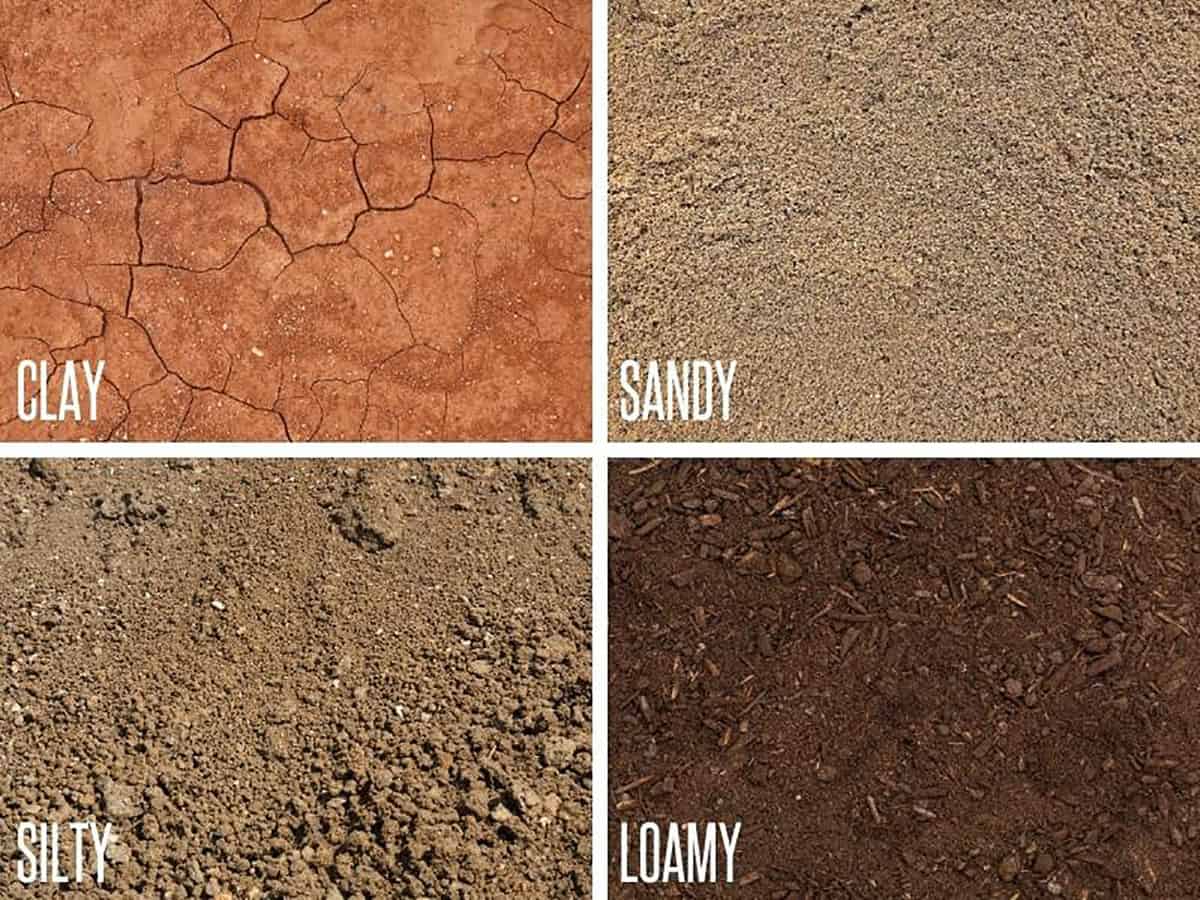
Sandy soil has large particles and wide pore spaces. That structure lets water drain fast, which is great in wet areas but tough for most plants. It also means nutrients do not stay in the root zone for long.
In practice, sandy soil often feels loose, gritty, and dry. It warms up fast in spring, but it can also dry out quickly in hot weather. That is why how to improve sandy soil usually starts with building structure, not just feeding plants.
A simple way to think about it is this: sandy soil is like a bucket full of marbles. Water runs through the gaps, and anything useful can wash away with it. The fix is to fill more of those gaps with organic matter and soil life.
Why improving sandy soil matters
When sandy soil is left alone, plants often struggle with drought stress, weak roots, and nutrient loss. Vegetables may look fine one day and wilt the next. Lawns can thin out fast, and flowers may need constant feeding.
Improving sandy soil helps in several real ways:
• It holds moisture longer
• It stores nutrients better
• It supports stronger root growth
• It reduces how often you need to water
• It makes soil easier for beneficial microbes and earthworms to live in
I’ve seen small backyard beds go from tired and pale to steady and productive in one season after the soil was amended the right way. It was not magic. It was repeated, patient improvement.
The best way to improve sandy soil
The most effective answer to how to improve sandy soil is to add organic matter often and keep doing it. Compost is usually the best place to start because it improves both water retention and soil structure.
A healthy soil improvement plan usually includes:
• Compost
• Well-rotted manure
• Leaf mold
• Mulch
• Cover crops
• Water-retaining amendments where needed
• Careful watering and feeding habits
One mistake I see often is people trying to “fix” sandy soil with a single bag of additive and hoping for permanent change. Sandy soil usually needs regular rebuilding, not one-time treatment.
Add compost often
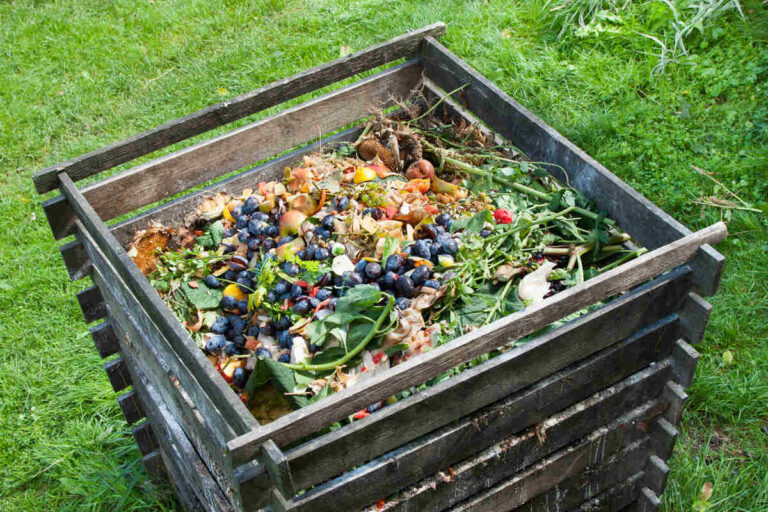
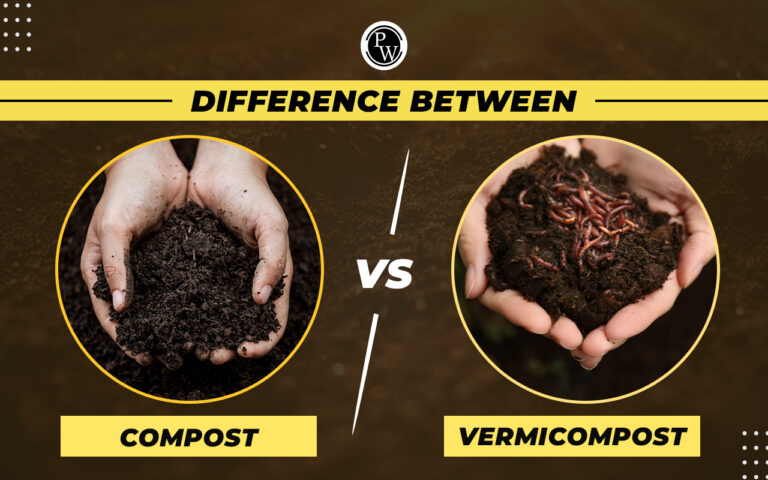
Compost is the backbone of sandy soil improvement. It acts like a sponge and helps sandy soil hold both water and nutrients. It also feeds soil biology, which slowly improves soil structure over time.
Spread 2 to 4 inches over beds and work it into the top few inches if possible. For existing plantings, top-dress around plants instead of digging deeply around roots. Reapply each season if you can.
Use well-rotted manure
Well-rotted manure can be very helpful because it adds organic matter and nutrients at the same time. Use only fully composted material so you do not burn plants or introduce weed seeds.
Manure works best when combined with compost, not used alone. I’ve found that a mix of compost and manure gives sandy soil a fuller, more stable feel than either one by itself.
Mulch to protect the surface
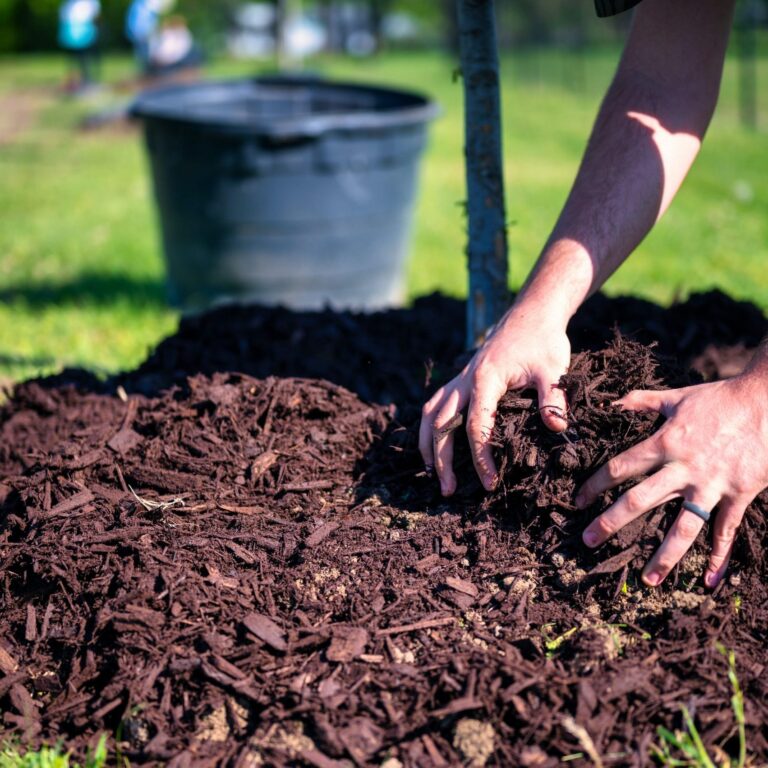
Mulch is one of the easiest tools for how to improve sandy soil. It reduces evaporation, keeps temperatures steadier, and slowly breaks down into more organic matter.
Good mulch choices include:
• Shredded leaves
• Straw
• Pine needles
• Bark chips
• Grass clippings in thin layers
Keep mulch a few inches away from stems and trunks. Too much piled against plants can cause rot and pest problems.
Soil amendments that help sandy soil hold water
Some amendments are useful when you want faster improvement or need help between seasons. They do not replace compost, but they can make a real difference.
Biochar
Biochar is a stable carbon material that can improve water and nutrient holding when used correctly. It works best when “charged” first with compost, manure tea, or fertilizer, so it does not pull nutrients from the soil at first.
Research in soil science has shown biochar can improve structure in some sandy soils, especially when paired with organic matter. Results vary by soil type and how the biochar is made, so it works best as part of a broader plan.
Coconut coir
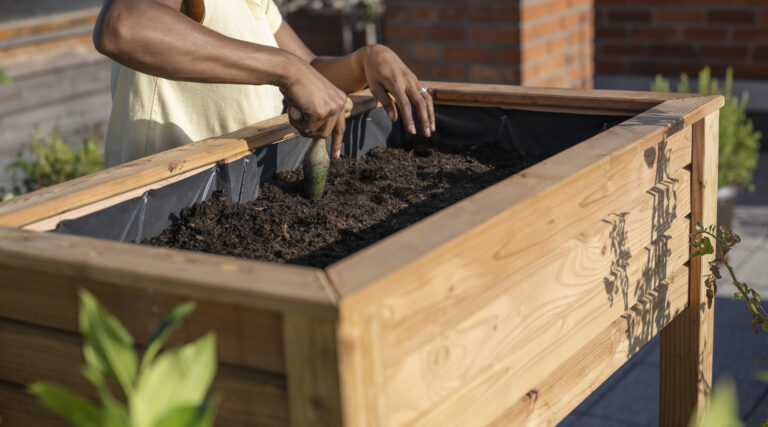
Coir can help sandy soil hold water better, especially in potting mixes and raised beds. It is a useful option when you want a lighter amendment than peat moss. Still, it should be used with compost for lasting soil health.
Clay-based amendments
Some gardeners use products with bentonite or other clay minerals. These can help sandy soil retain water and nutrients, especially in very coarse sand. They work best when blended carefully and used based on soil test results.
How to improve sandy soil in vegetable gardens
Vegetable gardens need steady moisture and nutrients, so sandy soil can be a challenge. The best approach is to build a richer root zone before planting.
Try this method:
- Add 2 to 4 inches of compost before planting
- Mix in well-rotted manure if needed
- Mulch after planting
- Water deeply and less often
- Feed lightly and more regularly with organic fertilizer
Root crops, tomatoes, peppers, beans, and leafy greens all benefit from better moisture balance. In one garden I helped, tomatoes in sandy soil stopped cracking and yellowing once the bed was heavily mulched and composted every season.

How to improve sandy soil for lawns
Lawns on sandy soil often need more care because grass roots dry out quickly. The goal is to improve the top layer without smothering the turf.
Useful steps include:
• Core aeration if compaction is present
• Topdressing with fine compost
• Overseeding with drought-tolerant grass types
• Watering deeply rather than lightly every day
• Mowing at the right height to shade the soil
Tall fescue and other deeper-rooting grasses often do better than shallow-rooted types in sandy ground. If your lawn is struggling, soil testing can help you choose the right grass and fertilizer plan.
Best watering practices for sandy soil
Watering sandy soil is all about timing and depth. Because water drains fast, shallow watering does not help much. It can even train roots to stay near the surface, where they dry out faster.
Use these watering tips:
• Water deeply to encourage deeper roots
• Water early in the morning to reduce loss
• Check soil moisture before watering again
• Use drip irrigation or soaker hoses for efficiency
• Water less often, but with more soak time
A simple hand test helps. If the top inch is dry but the next few inches still hold moisture, you may not need to water yet. This is one of the easiest ways to avoid overwatering while still supporting plants.
Fertilizer tips for sandy soil
Sandy soil tends to lose nutrients fast, especially nitrogen. That means plants may need smaller, more frequent feedings instead of one large dose.
Good fertilizer habits include:
• Use slow-release organic fertilizers
• Split feeding into smaller applications
• Avoid overfertilizing, which can wash away quickly
• Match fertilizer to the crop and season
• Recheck soil nutrition with a soil test every 1 to 3 years
Soil tests are very useful here. They help you avoid guessing, which saves money and reduces waste. In my experience, many sandy soils are not “bad” soils; they are just underfed and underbuilt.
Mistakes to avoid when improving sandy soil
Some common mistakes can slow progress or make the problem worse.
Avoid these:
• Adding only sand-based topsoil and expecting improvement
• Using fresh manure directly on plants
• Skipping mulch after adding compost
• Overwatering every day in small amounts
• Ignoring soil tests and nutrient balance
• Tilling too much, which can break down soil structure
One of the biggest errors is chasing a fast fix. Sandy soil improves best when you think in seasons, not days. That mindset leads to steadier results and fewer setbacks.
Long-term plan for healthier sandy soil
If you want lasting results, build a routine. Sandy soil responds very well to steady care.
A simple yearly plan looks like this:
- Test the soil
- Add compost in spring or fall
- Mulch all exposed soil
- Plant cover crops in off-season beds
- Water deeply and feed in small doses
- Reapply organic matter each year
Cover crops such as clover, rye, or buckwheat can protect sandy soil when beds are empty. They add biomass, reduce erosion, and support better soil life. Over time, this creates a more stable growing space.
Frequently Asked Questions of how to improve sandy soil
How long does it take to improve sandy soil?
You may notice better moisture retention after one season of compost and mulch. Real, lasting improvement usually takes repeated care over multiple seasons because sandy soil changes slowly.
What is the best thing to add to sandy soil?
Compost is usually the best all-around amendment. It improves water holding, nutrient storage, and soil structure at the same time.
Can topsoil fix sandy soil?
Topsoil can help a little, but it is not a complete fix by itself. If the topsoil is also sandy or poor in organic matter, you still need compost and mulch for real improvement.
Should I mix sand into sandy soil?
No, adding more sand usually does not help and can sometimes make texture problems worse. Focus on organic matter and soil-building materials instead.
Is sandy soil good for any plants?
Yes, sandy soil can work well for drought-tolerant plants, herbs, and some root crops. Plants that hate wet feet often do better in sandy soil if it has enough compost and mulch.
How often should I add compost to sandy soil?
Most gardens do well with an annual compost application. If the soil is very poor, you may want to top-dress again during the growing season around established plants.
Conclusion
Learning how to improve sandy soil is really about building a soil that can hold water, feed plants, and support life. Compost, mulch, organic matter, careful watering, and steady soil care can turn fast-draining ground into a much better growing space.
Start small if you need to, but stay consistent. Every layer of compost and mulch is like a savings account for your garden, and the returns add up fast. If you are working with sandy ground, begin this season and watch how much better it performs next year.