Climbing Roses Vs Shrub Roses: Best For Your Garden
Climbing roses climb structures with long canes; shrub roses form compact, bushy, self-supporting plants.
I’ve spent years growing roses in small yards and large beds, testing how climbing roses vs shrub roses behave in real gardens. This guide draws on hands-on experience, plant science, and design practice to help you pick, plant, and care for the right type. Read on for clear comparisons, care tips, design ideas, and mistakes to avoid when choosing between climbing roses vs shrub roses.

Key differences at a glance
Climbing roses vs shrub roses boil down to form and use. Climbers produce long canes that need support and training. Shrub roses make rounded, self-supporting bushes that fit beds and borders. Use this quick grid to spot the major differences.
- Growth form
- Climbing roses vs shrub roses: climbers have long canes; shrubs are bushy.
- Support needs
- Climbing roses vs shrub roses: climbers need trellises or walls; shrubs do not.
- Bloom habit
- Climbing roses vs shrub roses: climbers often repeat-bloom or have large flushes; shrub roses usually give steady blooms.
- Landscape role
- Climbing roses vs shrub roses: climbers frame structures; shrubs fill beds and hedges.

Source: jacksonandperkins.com
- Climbing roses vs shrub roses: climbers frame structures; shrubs fill beds and hedges.
Growth habit and structure
Understanding how each grows helps you plan space and supports. Climbing roses vs shrub roses differ in cane length and how they spread. Climbers send out long flexible canes that you can tie to wires, arbors, fences, or walls. Shrub roses keep stems shorter and then branch into a rounded shape.
Climbers often need training in the first few years. You guide main canes along supports and tie them horizontally to improve bloom. Shrub roses are low-maintenance in structure. They will need occasional thinning and shaping but not major training.

Flowering and bloom patterns
Flower timing and abundance matter for color and scent in the garden. Climbing roses vs shrub roses may differ in when and how much they bloom. Some climbers bloom in huge shows once or twice a year. Others repeat-bloom along trained canes. Shrub roses often give a steady flow of flowers from spring to fall.
If you want a dramatic wall of color, climbers can deliver big blooms. If you want constant color in a bed, shrub roses are a reliable choice. Many modern shrub roses combine good disease resistance with frequent flowering.

Care, pruning, and training
Good care keeps roses healthy and blooming. Climbing roses vs shrub roses need similar basics: sun, well-drained soil, and regular feeding. Both benefit from 6+ hours of sun and mulch to keep roots cool.
Pruning tips
- For climbing roses vs shrub roses: prune climbers by removing dead wood and training laterals; do major cane work in late winter.
- For shrub roses: prune for shape and to open the center; remove weak or crossing stems each year.
- Watering and feed
- Water deeply once or twice a week in dry weather.
- Feed with a balanced rose fertilizer in spring and after big bloom cycles.
Source: gardenia.net
Landscape uses and design ideas
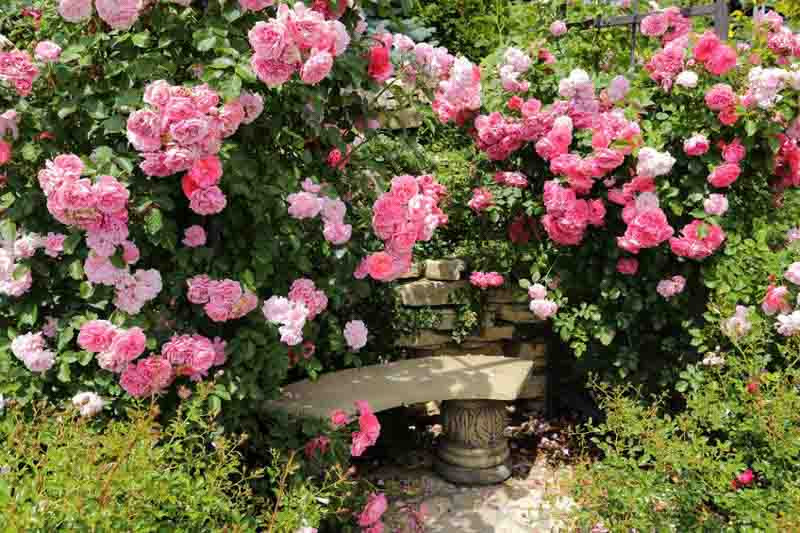
How you use each type shapes your garden’s style. Climbing roses vs shrub roses serve different roles but can work together beautifully.
Design ideas for climbers
- Cover a trellis or arch for a romantic entry.
- Train along a fence to add scent and height.
- Mix with vines and climbers for layered texture.
Design ideas for shrubs
- Use as low hedges or mixed borders.
- Plant in masses for continuous color.
- Combine with perennials for seasonal contrast.

Source: houzz.com
Choosing the right rose for your garden
Choice depends on space, patience, and style. Ask yourself these quick questions when weighing climbing roses vs shrub roses.
- Do you have a structure to train a climber? If yes, a climbing rose can be a showstopper.
- Do you prefer low-maintenance plants? A shrub rose will fit better.
- Want summer drama or steady color through the season? Climbers for drama; shrubs for steady display.
Practical selection tips
- Match rootstock and site: choose varieties known to do well in your climate.
- Look for disease resistance if you want lower care.
- Consider mature size; climbers can extend many feet.

Source: jacksonandperkins.com
Common pests and diseases
Pest and disease pressure affects both types. Climbing roses vs shrub roses share many threats, but exposure can differ.
Common issues
- Black spot and powdery mildew can affect both; good air flow helps.
- Aphids and thrips target new growth on climbers and shrubs alike.
- Roses near walls or fences may have less air flow; prune to improve circulation.
Management basics
- Clean pruning and remove fallen leaves to cut disease cycles.
- Use resistant varieties when possible.
- Monitor regularly and act early with organic or chemical controls as needed.

Source: naturehills.com
Personal experience and practical tips
I trained a climbing rose on an old brick wall for three seasons. At first I tied canes too tightly and lost buds. I learned to space ties and train laterals horizontally for more blooms. I also planted shrub roses in a sunny border; they filled gaps and kept the bed colorful all summer.
Lessons learned
- Be patient with climbers; they may take 2–3 years to show their full sparkle.
- Avoid burying graft unions when planting shrubs; keep grafts visible to prevent problems.
- Mulch and feed consistently; roses reward steady care with more blooms.

Source: gardenersworld.com
FAQ about climbing roses vs shrub roses
What are the main visual differences between climbing roses vs shrub roses?
Climbing roses have long, arching canes that need support. Shrub roses are bushy and form a rounded shape without support. The look each provides changes how they fit into gardens.
Which is easier for a beginner: climbing roses vs shrub roses?
Shrub roses are usually easier for beginners. They need less training and simpler pruning than climbing roses, which need tying and shaping.
Can climbing roses be used as shrub roses?
Yes, some climbing roses can be pruned and kept shorter to act like shrubs. This may reduce their natural drama but works in small gardens.
How often do climbing roses vs shrub roses need pruning?
Climbing roses need focused annual pruning and light tying; major cane work occurs in late winter. Shrub roses need yearly shaping and removal of weak stems in early spring.
Which type has better disease resistance: climbing roses vs shrub roses?
Resistance depends on the variety more than the growth form. Many modern shrub roses are bred for disease resistance, though some climbers also have strong resistance. Look at variety traits when choosing.
Are climbing roses harder to water and feed than shrub roses?
Not really. Both need deep water and regular feeding. Climbers may need more attention on topsoil near walls, but overall needs are similar.
Conclusion
Choosing between climbing roses vs shrub roses comes down to space, style, and how much time you want to invest. Climbers create vertical drama and need training; shrubs offer steady color and simpler care. Try one of each if you can—use climbers for focal points and shrubs to fill beds. Start small, learn from each season, and let your garden evolve. Share what you plant, subscribe for more practical rose tips, or leave a comment with your rose questions.