How To Thicken A Sparse Hedge: Fast Proven Methods
Feed, prune, and fill gaps with new plants to thicken a sparse hedge within a season.
I’ve helped homeowners and cared for my own hedges for years, so I know what makes a hedge go thin and how to fix it. This guide walks through how to thicken a sparse hedge step by step. You’ll get clear actions on pruning, feeding, watering, planting, and pest checks. Read on to turn a thin line of shrubs into a dense, green screen you can be proud of.

Why hedges go sparse and what that means
Hedges thin for many reasons. Light, soil, old pruning, pests, and wrong plants all play a part. When a hedge is sparse, it loses privacy and looks tired. To thicken a sparse hedge you must find the real cause. Fixing symptoms only wastes time and money.
Common causes
- Not enough light to lower branches. Lower wood dies back without light.
- Poor soil or low nutrients. Roots then fail to feed leaves.
- Harsh pruning that removes young shoots. This stops new growth.
- Wrong species or age. Some shrubs get bare inside as they age.
- Pests or disease that weaken stems and leaves.
How this guide helps
- Diagnose the cause quickly.
- Use low-risk fixes you can start this season.
- Offer long-term planting and care tips.
- Share real-world tips I use in my work and yard.

Assess the hedge before acting
Look closely before you cut or feed. A good check saves time and avoids mistakes.
What to inspect
- Leaf density top to bottom. Thinner lower branches show light problems.
- New shoots on 1- to 2-year-old wood. Presence means recovery is possible.
- Soil moisture and compaction by digging a small hole.
- Signs of pests or fungus like spots, holes, or sticky residue.
- Root crowding or girdling roots if plants look stunted.
Simple tests you can do
- Tug test: gently pull a branch. Live wood snaps green. Dead wood is dry and brittle.
- Soil ball test: dig 6–12 inches. Good soil holds shape and smells earthy. Bad soil is dusty or foul.
- Light map: note hours of direct sun a day. Many hedge plants need 4–6 hours.

Pruning strategies to encourage thick growth
Pruning is the most powerful way to thicken a sparse hedge. Right cuts make new shoots form.
General rules
- Prune in the right season for your species. Most hedges respond best after flowering or in early spring.
- Cut to a healthy bud or outward-facing shoot. This encourages branching.
- Avoid removing more than one-third of the foliage in a year. Big cuts shock the plant.
Step-by-step approach
- Remove dead, damaged, or diseased wood first. This improves health and airflow.
- Thin out only crossing stems. This lets light reach the center.
- Cut back last year’s growth by about one-third where you need thickness. This causes many side shoots to form.
- Shape the hedge so the base is slightly wider than the top. This allows light to reach lower leaves.
Tools and how to use them
- Hand pruning shears for small stems. Keep blades sharp and clean.
- Loppers for thicker branches up to 1 inch. Use two-handed cuts for control.
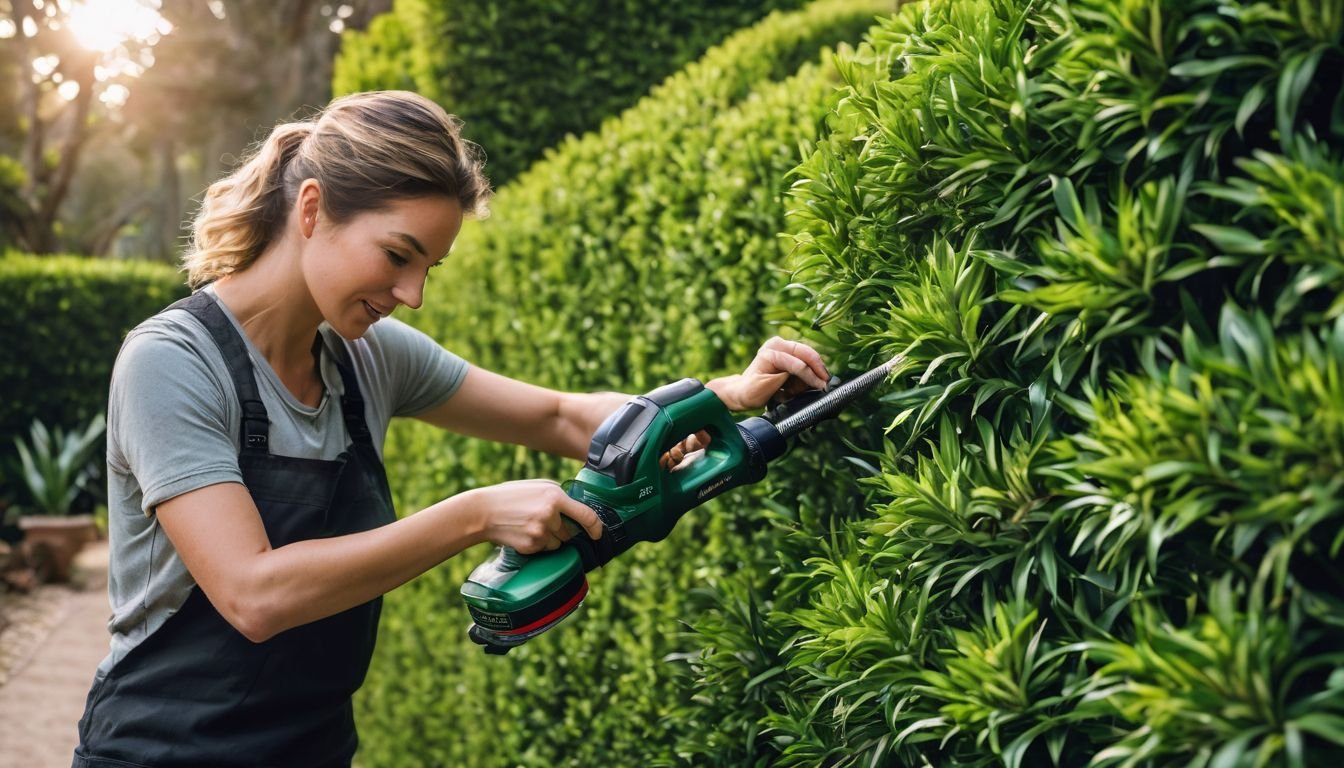
- Hedge shears for shaping. Use sparingly to avoid flattening growth.

Feed, soil, and mulch: nutrition for dense growth
Good soil feeds new shoots. Without food, pruning will not make a hedge thick.
Soil steps
- Test your soil pH and nutrient levels with a home kit or service. Most shrubs like slightly acidic to neutral soil.
- Add compost or well-rotted manure in spring. Work lightly into the top 3–4 inches.
- Use a balanced, slow-release fertilizer in early spring and mid-summer if growth is poor.
Mulch and water
- Mulch with organic material 2–3 inches deep. Keep mulch a few inches from stems.
- Mulch keeps soil cool, moist, and alive with worms and microbes.
- Water deeply once a week in dry spells. Shallow watering makes weak roots.
What I do in my yard
- I add compost every spring and a thin layer of organic mulch. My hedges respond with many new shoots within weeks.
- I avoid heavy fertilizers in late season. That reduces winter damage.
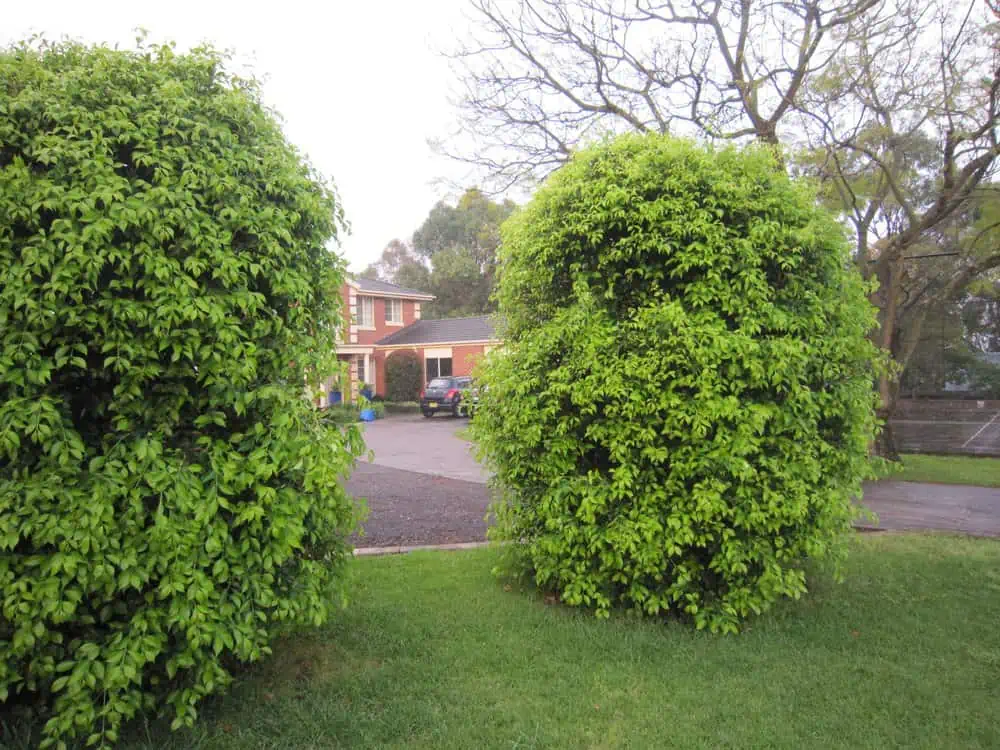
Planting and filling gaps to thicken a sparse hedge faster
Sometimes you need new plants to fill holes. Adding new plants is a fast route to a solid screen.
Options to fill gaps
- Plant the same species in gaps for a uniform look.
- Add complementary species with similar size and light needs for interest and density.
- Use quick-grow fillers like native shrubs that match the hedge height.
Spacing and timing
- Plant slightly closer than normal for a dense result. This helps create overlap.
- Best time to plant is early spring or fall for root establishment.
- Water new plants well for the first year and keep mulch around the base.
A tip from experience
- I once planted staggered rows of small shrubs inside a failing hedge. They thickened the screen in two seasons and blended in well after pruning.

Training, tying, and shaping for fuller hedges
Training young shoots makes a hedge fuller faster. A tidy routine helps.
How to train
- Tie new shoots gently to stakes or wires to encourage vertical or horizontal growth patterns.
- Open up the center slightly to let light in. This makes the lower parts fill in.
- Clip the top lightly each year to encourage side branching.
When to shape
- Light shearing once or twice a year keeps a hedge tight.
- Avoid hard shearing young growth until plants are established.
- For flowering hedges, prune after bloom to keep flowers next season.

Pest, disease, and stress management
Pests and disease can undo your efforts. Catch problems early.
Common issues
- Aphids, scale, and mites suck sap and reduce vigor.
- Root rot and fungal leaf spots thrive in poor drainage.
- Salt or winter burn can make edges thin.
Management tips
- Remove infected branches and destroy them. Don’t compost diseased growth.
- Use insecticidal soap or horticultural oil for common pests. Apply in calm weather.
- Improve drainage and avoid overwatering to prevent root disease.
Seasonal timeline: what to do and when
A clear timeline keeps you on track. Follow this pattern each year.
Spring
- Test soil, feed, and prune lightly.
- Plant replacements and add mulch.
Summer
- Water deeply and monitor pests.
- Do a light trim to shape.
Fall
- Reduce feeding and stop hard pruning.
- Mulch to protect roots.
Winter
- Inspect for wind or frost damage.
- Delay major pruning until late winter or early spring for most shrubs.

Tools, materials, and budget-friendly options
You don’t need pro gear to thicken a hedge. Basic tools and good care do most of the work.
Essential tools
- Sharp pruning shears for small shoots.
- Loppers for branches to 1 inch.
- Sturdy gloves and eye protection.
- Compost, mulch, and a slow-release fertilizer.
Budget tips
- Share or rent power tools for one big job.
- Make your own compost from kitchen scraps.
- Trade plants with neighbors to try new varieties cheaply.
Personal lessons, mistakes to avoid, and quick wins
Here are the best tips I learned from years of hedge care. These save time and frustration.
Lessons and mistakes
- Don’t over-prune old wood. Many hedges won’t send new shoots from old, dead wood.
- Don’t plant too deep. Roots need oxygen.
- Avoid shearing too early. That delays branching.
Quick wins
- Add compost now and prune lightly. You’ll see new shoots in weeks.
- Fill big gaps with new plants in early spring for the best start.
- Keep the base wider than the top to let light nourish lower branches.
How to thicken a sparse hedge: timeline for realistic expectations
Expect progress, not perfection. Most hedges show marked improvement in one to three seasons. New plants fill gaps in two to four years. If the hedge is very old and hollow inside, replacement may be the best long-term choice.
Checklist to follow
- Diagnose cause first.
- Prune smart, not hard.
- Feed and mulch.
- Plant where needed.
- Watch for pests and water correctly.
Frequently Asked Questions of how to thicken a sparse hedge
How long does it take to thicken a sparse hedge?
Most hedges show new shoots in weeks after pruning and feeding, but full thickness often takes one to three seasons depending on species and conditions.
Can I use fertilizers to force quick growth?
A balanced, slow-release fertilizer helps. Overuse can burn roots and cause weak, leggy growth, so follow package rates and timing.
Is it better to prune hard or lightly?
Light, strategic pruning encourages branching. Hard pruning can work on some species but risks leaving bare wood that won’t regrow.
When is the best time to plant gaps in a hedge?
Early spring or fall is best. These times give roots a chance to establish before heat or cold stress sets in.
Can I make a sparse hedge dense without adding plants?
If the plant species readily branches and the soil and light are right, pruning, feeding, and training can thicken the hedge without new plants.
Conclusion
Thickening a sparse hedge is mostly about careful diagnosis, smart pruning, steady feeding, and filling gaps when needed. Start by finding the cause, then use simple steps: prune right, feed well, water deeply, and plant where needed. Try one change at a time and watch how your hedge responds. If you found this guide useful, try the pruning and feeding steps this season, then come back to share your results or ask questions.