Cold Composting Vs Hot Composting: Which Method Wins 2026
Cold composting is low-effort and slow; hot composting is faster but needs active management.
If you want rich compost, you must pick the right method for your home and climate. I’ve run both, from a lazy corner pile to a steaming bin that hit 150°F. This guide breaks down cold composting vs hot composting with clear steps, real results, and smart tips you can trust. Read on to choose, build, and use a system that fits your life.

What Is the Difference? Cold Composting vs Hot Composting
Cold composting is the set-and-forget method. You add kitchen scraps and yard waste to a pile or bin. Nature does the rest. It can take 6 to 12 months to finish. It needs little work. It stays near outdoor temperature, so it does not kill many weed seeds or pathogens.
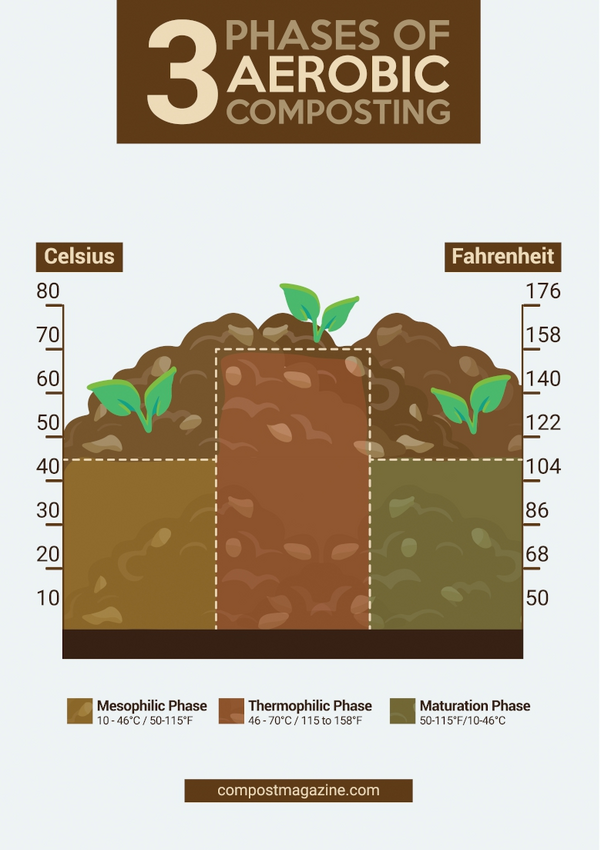
Hot composting is fast and hands-on. You build a big, balanced mix and keep air and moisture right. The pile heats to 130–160°F. It breaks down in 3 to 8 weeks when done well. It can kill most weed seeds and many pathogens at high heat.
When people compare cold composting vs hot composting, they weigh time, effort, and safety. Both make dark, crumbly compost. The best choice depends on space, volume, and how much time you can spend.

How Each Method Works: Time, Temperature, and Microbes
Cold composting runs on mesophilic microbes. They like mild heat. They work slow. You feed them a steady mix of browns and greens. The pile breathes on its own. You may turn it a few times a year.
Hot composting starts hot and stays hot. Thermophilic microbes drive the heat. They need the right carbon to nitrogen balance, enough water, and a lot of air. Many extension guides say to hold 131°F or more for at least three days to reduce pathogens. A classic hot cycle uses a 3x3x3-foot pile, turned several times as it cools.
Too much water starves air and can cause smells. Too little water stalls the process. In both methods, aim for a damp sponge feel. In hot piles, check with a compost thermometer if you can.
Is hot composting always faster?
Yes, when you hit 130–160°F and turn on schedule. If the pile is too small or too dry, it can take as long as a cold pile.
Does cold composting kill weed seeds?
Not often. Most seeds need heat over 131°F to die. If you have seedy weeds, use a hot pile or skip them.
Can I mix both methods?
You can. Let a cold pile build, then batch it into a hot pile when you have enough material.
When you weigh cold composting vs hot composting, remember that speed trades off with effort. Choose the pace you can keep.

Pros and Cons at a Glance
Cold composting pros:
- Very low effort and low cost.
- Works with small volumes.
- Easy for beginners and busy weeks.
Cold composting cons:
- Slow to finish.
- May not kill weed seeds or pathogens.
- Can attract pests if scraps are exposed.
Hot composting pros:
- Fast results, often in weeks.
- Kills many seeds and some pathogens at high heat.
- Shrinks waste volume fast.
Hot composting cons:
- Needs a large batch and steady turning.
- Needs a thermometer for best control.
- Can dry out or cool too fast if built small.
This is the core trade in cold composting vs hot composting: time and safety gains in hot piles versus ease and simplicity in cold piles.

Which Method Fits Your Space, Time, and Climate?
If you have lots of yard waste and time to turn, go hot. If you want low effort and have less space, go cold. Climate also matters. Hot piles thrive in warm seasons. Cold piles work year-round, but slow in winter.
Use this quick guide:
- Volume: Lots of material favors hot. Small trickles favor cold.
- Time: Need compost in weeks? Go hot. OK with months? Go cold.
- Space: Big bins or bays favor hot. Small patios favor cold bins.
- Safety: Concerned about seeds and pathogens? Aim hot and track heat.
Choose what you can keep doing. The best method is the one you will stick with.

Step-by-Step: Cold Composting
Build your bin or pick a shaded corner. Ground contact helps worms find the pile.
Steps:
- Add browns like dry leaves or shredded cardboard as a base.
- Add greens like fruit peels, coffee grounds, and grass clippings.
- Keep a rough 2–3 parts browns to 1 part greens by volume.
- Bury fresh scraps under browns to reduce smells and flies.
- Check moisture. Aim for a damp sponge feel.
- Turn the pile every 4–8 weeks, or when you have time.
- Wait 6–12 months. Sift and use the dark, crumbly compost.
Tips:
- Chop big pieces. Smaller bits break down faster.
- Avoid meat, dairy, and oily foods. They draw pests.
- If it smells, add more browns and mix.
Cold composting vs hot composting can both fit a backyard. Cold is great for steady, casual composting.

Step-by-Step: Hot Composting
Hot composting works best as a batch. Gather enough material to build a large pile in one go.
Steps:
- Aim for a 3x3x3-foot pile or larger.
- Mix 2–3 parts browns to 1 part greens by volume.
- Moisten as you build. It should feel like a wrung-out sponge.
- Add some finished compost or garden soil as a microbe starter.
- Insert a compost thermometer. Track daily for the first week.
- Turn the pile when the core drops below 120–130°F.
- Rebuild, re-wet as needed, and check for clumps.
- Repeat turns until the pile no longer heats.
- Cure for 2–4 weeks before use.
Tips:
- Shred browns. Leaves and straw chop best to 1–2 inches.
- Blend grass clippings with dry leaves to avoid slime.
- If temps stall, add greens or water. If it smells, add browns.
When people ask about cold composting vs hot composting speed, this is why hot wins. You control heat with size, air, and water.
Safety, Pests, and Common Mistakes
Food safety matters if you grow food. Hot piles can cut risk by holding 131°F or more for several days. Still, avoid fresh manure on crops you plan to eat soon. Do not compost pet waste.
Pests love easy food. Bury scraps. Cover the top with browns. Use a lidded bin or 0.25-inch wire mesh if rodents are common.
Common mistakes:
- Too wet: smells like ammonia. Fix with dry browns and turning.
- Too dry: pile stalls. Add water while mixing.
- Too small: cannot hold heat. Add more material or insulate the sides.
Cold composting vs hot composting share the same rule: balance air, water, and mix.

Materials and Ratios: Browns, Greens, and Moisture
Browns are high in carbon. Use dry leaves, straw, shredded paper, and cardboard. Greens are high in nitrogen. Use food scraps, coffee grounds, tea leaves, manure, and fresh grass.
Good targets:
- Hot piles: C:N near 25–30:1. By volume, mix 2–3 parts browns to 1 part greens.
- Cold piles: Slightly more browns helps with odor control.
- Moisture: 50–60%. Think damp sponge, not dripping.
Extra tips:
- Chop or shred to increase surface area.
- Mix well to avoid slimy pockets.
- Add a dusting of soil to seed microbes and reduce fruit flies.
Use these basics and the cold composting vs hot composting choice will both lead to fine compost.
Troubleshooting: Odors, Slow Piles, and Clumpy Messes
If the pile smells like rot, it lacks air. Add browns and turn. If it smells like ammonia, it has too much nitrogen. Add browns and mix.
If the pile is slow, check size, water, and mix. Build bigger. Wet it. Add a balanced layer of greens and browns. Check temperature. If it is cold, turn and rebuild.
If you see mats of leaves or grass, break them up. Mix with coarse browns. Clumps block air and trap water.
In cold composting vs hot composting, the fixes are the same. Balance, mix, and check moisture.
My Experience: What Worked, What Failed, and Why
My first cold pile was a lazy corner heap. I buried scraps under leaves and turned it each season. It was slow, but the compost was rich and earthy by fall. The big win was how easy it felt.
My first hot pile failed. It was too small and dried out in a heat wave. It hovered at 100°F and stalled. I rebuilt with more shredded leaves and watered well. The core hit 150°F the next day. Lesson learned: size and moisture make or break hot compost.
I also learned to blend grass with leaves. Pure grass turned slimy and smelled. Mixed with leaves, it heated fast and stayed airy. This is where cold composting vs hot composting feels different. Hot needs prep. Cold forgives small mistakes.
Environmental Impact and Garden Results
Both methods cut landfill waste and methane. That helps the climate. Compost returns carbon to soil and improves structure. Water soaks in better. Plants handle heat and drought with less stress.
In my beds, hot-compost batches gave quick, clean mulch. Cold compost added more chunk and life. Both grew bigger tomatoes and steadier greens. When I compare cold composting vs hot composting for results, the soil loves both.
Frequently Asked Questions of cold composting vs hot composting
Can I switch a cold pile to hot mid-way?
Yes. Gather extra greens and browns, then rebuild the pile to at least 3x3x3 feet. Moisten it and track heat with a thermometer.
How long before I can use compost?
Hot compost can be ready in 3–8 weeks plus a short cure. Cold compost often takes 6–12 months, depending on season and material size.
Will cold composting spread plant diseases?
It can if infected material stays cool. Avoid diseased plants unless you can run a hot pile to 131°F or more.
What size should a hot pile be?
At least 3x3x3 feet helps hold heat. Bigger piles can run hotter, but they also need careful turning and water.
Does hot composting smell more?
Not if it is built right. Bad odors come from too much water or nitrogen. Fix with dry browns and mixing.
Can I compost in winter?
Yes. Cold piles slow down but still work. Hot piles can keep heating if large, well mixed, and insulated.
Conclusion
Cold composting vs hot composting is a choice between ease and speed. If you want a low-effort path, build a cold pile and keep feeding it. If you want faster, cleaner compost, batch a hot pile and manage heat with size, air, and water. Both will turn waste into soil gold.
Pick one method this week. Start a small bin, or stockpile browns and plan a hot build day. Share your setup and results, or ask a question in the comments.