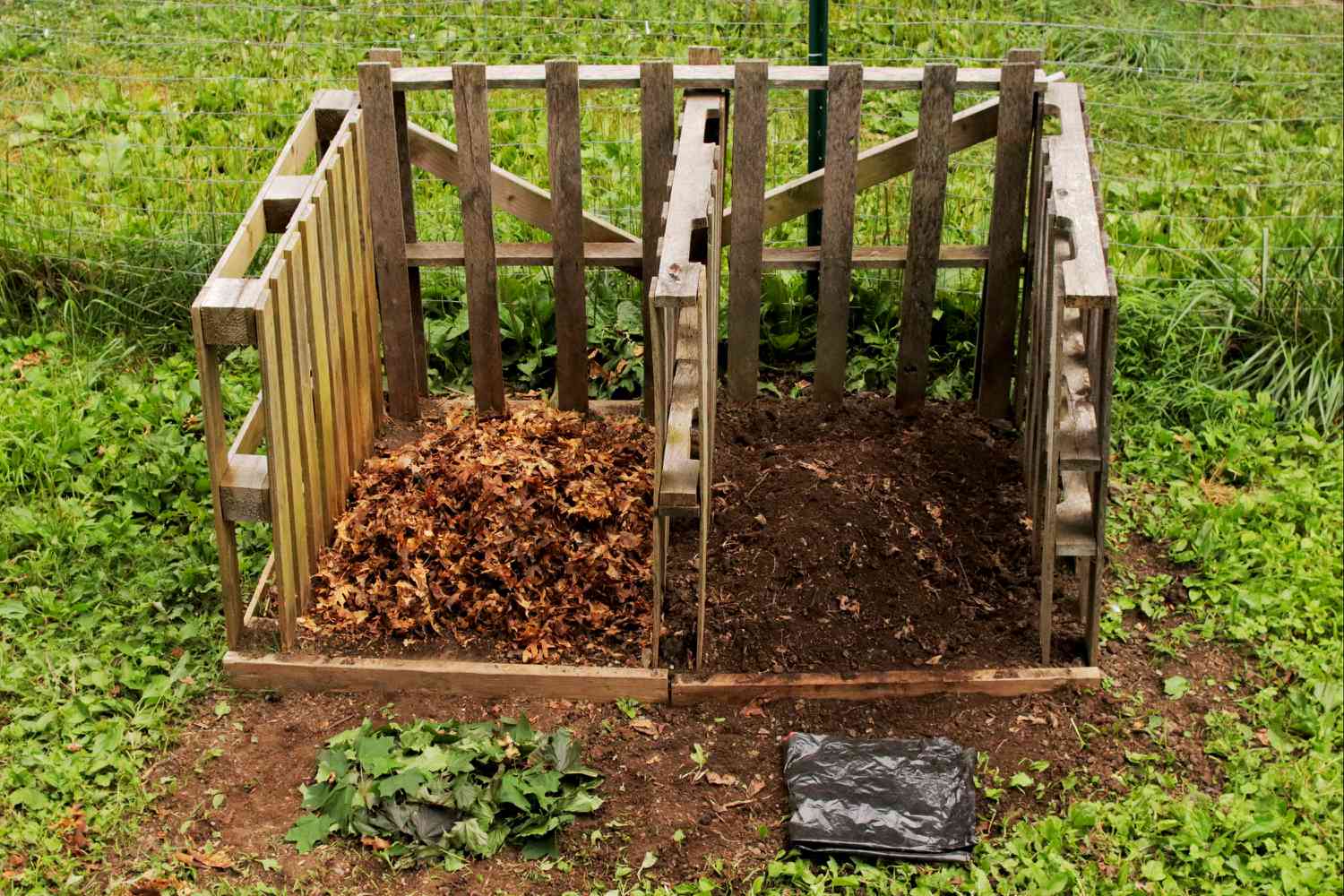
How To Make Leaf Mold: Easy Compost Guide
Leaf mold is made by gathering fallen leaves, moistening them, and letting them decompose slowly into a soft, dark soil conditioner.
If you want a simple way to build better soil with almost no cost, learning how to make leaf mold is one of the smartest garden skills you can pick up. I’ve seen it turn dry, tired beds into crumbly, sponge-like soil that holds water better and feeds plants gently over time. It is one of those old, quiet gardening methods that feels almost magical once you start using it.
:max_bytes(150000):strip_icc()/making-and-using-leaf-mold-2539475-hero-0e3423fc99324eb1a57fe4d99afdff16.jpg)
What leaf mold is and why it matters
Leaf mold is not the same as compost. Compost breaks down faster and usually includes kitchen scraps, grass clippings, and other “green” materials. Leaf mold comes mostly from fallen leaves and is created by fungal decomposition, which makes it especially good for improving soil structure.
In practical terms, leaf mold acts like a moisture-holding blanket in your garden. It helps sandy soil retain water and helps clay soil loosen up. That’s why gardeners, landscapers, and even soil scientists value it as a low-cost soil amendment.
A few benefits make leaf mold worth the wait:
- It improves soil texture without overfeeding plants.
- It helps soil hold more water during dry weather.
- It encourages healthy fungal life in the garden.
- It recycles free organic material that might otherwise be bagged and thrown away.
From experience, the biggest mistake people make is expecting leaf mold to work like fast compost. It does not. Think of it more like a slow-brewed tea than a quick meal for plants.
:max_bytes(150000):strip_icc()/compostbinswithleavesinside-d210ed53780d499ca096fc919c779b19.jpg)
How to make leaf mold step by step
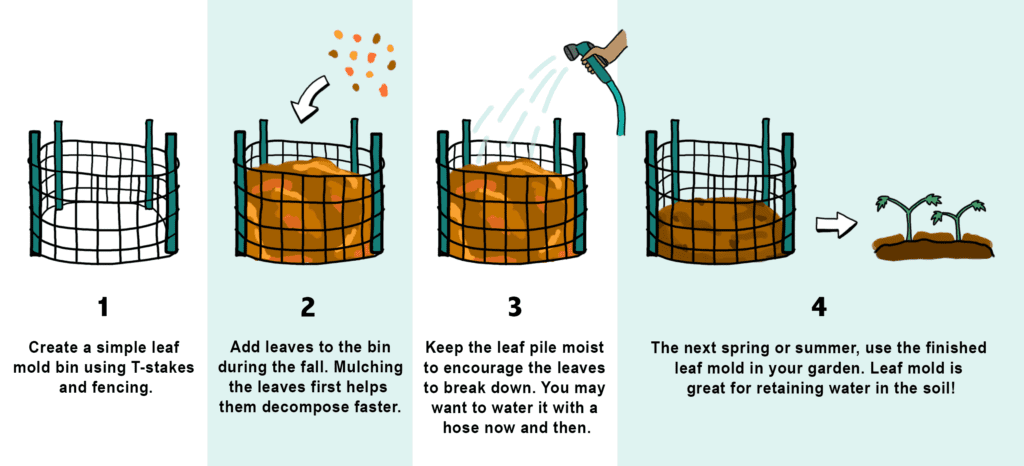
The process of how to make leaf mold is very simple, but the small details matter. The leaves need moisture, air, and time. If you get those three things right, nature does most of the work for you.
Here is the basic method:
-
Collect fallen leaves
Gather clean, healthy leaves in autumn or whenever leaves drop in your area. Try to avoid diseased leaves, as well as thick amounts of walnut leaves if you are unsure about your plants’ sensitivity. -
Shred the leaves if possible
Shredded leaves break down faster than whole ones. You can run over them with a lawn mower, use a leaf shredder, or simply chop them by hand if you only have a small pile. -
Put them in a bin, bag, or pile
You can use wire cages, breathable garden bags, compost bins with open sides, or a simple corner pile. The key is to keep the leaves contained while still allowing air in. -
Moisten the leaves
The pile should feel like a wrung-out sponge. If it is too dry, decomposition slows way down. If it is too wet, the leaves can turn slimy and compact. -
Wait and turn if needed
Leaf mold usually takes 6 months to 2 years to finish, depending on leaf type, moisture, and how often you shred or turn it. Beech, oak, and maple leaves often make excellent leaf mold.
A small tip from real garden use: I like to check my leaf bags after rain. If the leaves have settled and feel dry inside, I add a little water and shake the bag to redistribute moisture. That tiny habit makes a big difference.
:max_bytes(150000):strip_icc()/making-and-using-leaf-mold-2539475-04-57a0762e20d945f3a25fda048931899e.jpg)
Best leaves to use for leaf mold
Not all leaves break down at the same speed, but many common tree leaves work very well. Soft leaves and thin broadleaf species usually decompose faster than tough, waxy ones.
Good leaves for leaf mold include:
- Maple
- Oak
- Beech
- Birch
- Ash
- Apple
- Pear
These leaves tend to make rich, useful leaf mold with a pleasant, earthy smell. They are easy to manage and usually safe for most garden uses.
Leaves to use carefully include:
- Black walnut, which can affect some plants because of juglone
- Evergreen needles, which break down more slowly
- Large, waxy leaves, which may need more shredding and time
- Diseased leaves, which may spread problems if added carelessly
If you are unsure about a leaf type, it is often safest to compost it separately or research the species before adding it to your pile. I have learned that “good enough” matters more than “perfect” here. The goal is useful organic matter, not a flawless science project.
How long leaf mold takes to form
The time needed for how to make leaf mold depends on the leaves and the conditions. In a warm, damp, well-aerated pile, you may get usable leaf mold in about 6 to 12 months. In cooler or drier conditions, it may take closer to 18 months or even longer.
Several things affect the speed:
- Shredded leaves break down faster than whole leaves.
- Moisture keeps the process active.
- Airflow prevents the pile from becoming packed and soggy.
- Leaf type matters, since some leaves are tougher than others.
- Temperature also plays a role, though leaf mold can form even in cooler seasons.
A useful way to think about it is this: compost is like a fast-cooking stove meal, while leaf mold is a slow simmer. Both are useful, but leaf mold rewards patience.
Simple ways to store and manage leaf mold
There are a few easy systems for making leaf mold, and each has its own strengths. The best choice depends on the space you have and how much leaf material you collect.
Popular methods include:
-
Wire bin method
Make a cylinder from wire mesh and fill it with leaves. It is cheap, breathable, and easy to refill. -
Plastic bag method
Put damp, shredded leaves in black garden bags and poke a few holes for air. This works well for small spaces. -
Open pile method
Stack leaves in a corner of the yard and cover them lightly with a tarp or netting. This is simple and good for large amounts. -
Compost bin method
Use a bin with open sides or ventilation holes. This keeps the pile tidy and helps maintain moisture.
For best results, store the pile where it will not dry out completely. I have found that a shady spot near a fence or shed often works better than an exposed corner where wind can steal the moisture.
:max_bytes(150000):strip_icc()/making-and-using-leaf-mold-2539475-hero-0e3423fc99324eb1a57fe4d99afdff16.jpg)
How to use leaf mold in the garden
Leaf mold is versatile, and that is part of its charm. Once it is ready, it can be used in several practical ways to improve garden health.
Here are some of the best uses:
- Mix it into garden beds to improve soil structure.
- Spread it as mulch around shrubs, trees, and perennials.
- Add it to potting mixes in a small amount for extra moisture retention.
- Use it as a top dressing on tired beds to feed the soil life.
- Sift it for seed starting mixes if it is fully finished and crumbly.
Leaf mold is especially valuable in vegetable gardens, flower beds, and container gardening. It is gentle, so it does not burn roots the way strong fertilizers sometimes can. That makes it a great choice if you want to build soil long term instead of chasing quick fixes.

Leaf mold vs. compost
People often confuse leaf mold with compost, but the two are different tools. Compost is nutrient-rich and made from a mix of greens and browns. Leaf mold is lower in nutrients but excellent at improving soil texture and water retention.
Here is the simple difference:
- Compost feeds plants more directly.
- Leaf mold feeds the soil ecosystem and improves structure.
- Compost usually finishes faster.
- Leaf mold usually takes longer but is easier to make in bulk from free materials.
In many gardens, both are useful together. Compost gives a quick boost, while leaf mold builds the long-term foundation. That combination is one of the best ways to grow healthy soil without relying too much on synthetic inputs.

Common mistakes to avoid when making leaf mold
Even though how to make leaf mold is easy, a few mistakes can slow the process or ruin the pile. I have made a few of these myself over the years, and they are all avoidable.
Watch out for these problems:
- Letting the pile dry out completely
- Packing leaves too tightly with no airflow
- Using only whole leaves when shredding is possible
- Adding too many wet, slimy materials
- Expecting finished leaf mold too soon
- Mixing in large amounts of trash, plastic, or woody debris
If the pile smells sour, it is usually too wet and compacted. If it looks dry and crisp, it needs water. The sweet spot is damp, loose, and slightly springy when you grab a handful.
Why leaf mold is good for sustainable gardening
Leaf mold is one of the easiest ways to garden more sustainably. It turns waste into a valuable resource and reduces the need to buy bagged soil amendments. It also supports soil organisms that help create a healthier garden over time.
This matters because healthy soil is the base of healthy plants. Research from soil and extension experts consistently shows that organic matter improves soil structure, water movement, and root growth. Leaf mold may not be flashy, but it works quietly and steadily in the background.
Sustainable gardening benefits include:
- Less yard waste sent to landfills
- Better soil water retention
- Improved microbial and fungal activity
- Lower dependence on commercial inputs
- More resilient garden beds during heat and drought
For me, the real appeal is simplicity. Leaf mold is proof that the garden often gives back when you stop trying to control every part of it.
Frequently Asked Questions of how to make leaf mold
How long does it take to make leaf mold?
It usually takes 6 months to 2 years, depending on the leaf type, moisture, and whether the leaves are shredded. Shredded leaves in a damp, airy pile break down much faster.
Do I need to turn leaf mold?
Turning is not required, but it can speed things up. If you leave it alone, it will still work, just more slowly.
Can I make leaf mold in plastic bags?
Yes, you can make leaf mold in black plastic bags if you add moisture and air holes. This is a popular method for small gardens and limited spaces.
Is leaf mold good for all plants?
Leaf mold is great for most plants because it improves soil without adding too much food too fast. It is especially useful for beds, borders, shrubs, and vegetable gardens.
Can I use diseased leaves?
It is better to avoid diseased leaves when possible, since some plant problems can survive in debris. Healthy leaves are the safest and most reliable choice.
What does finished leaf mold look like?
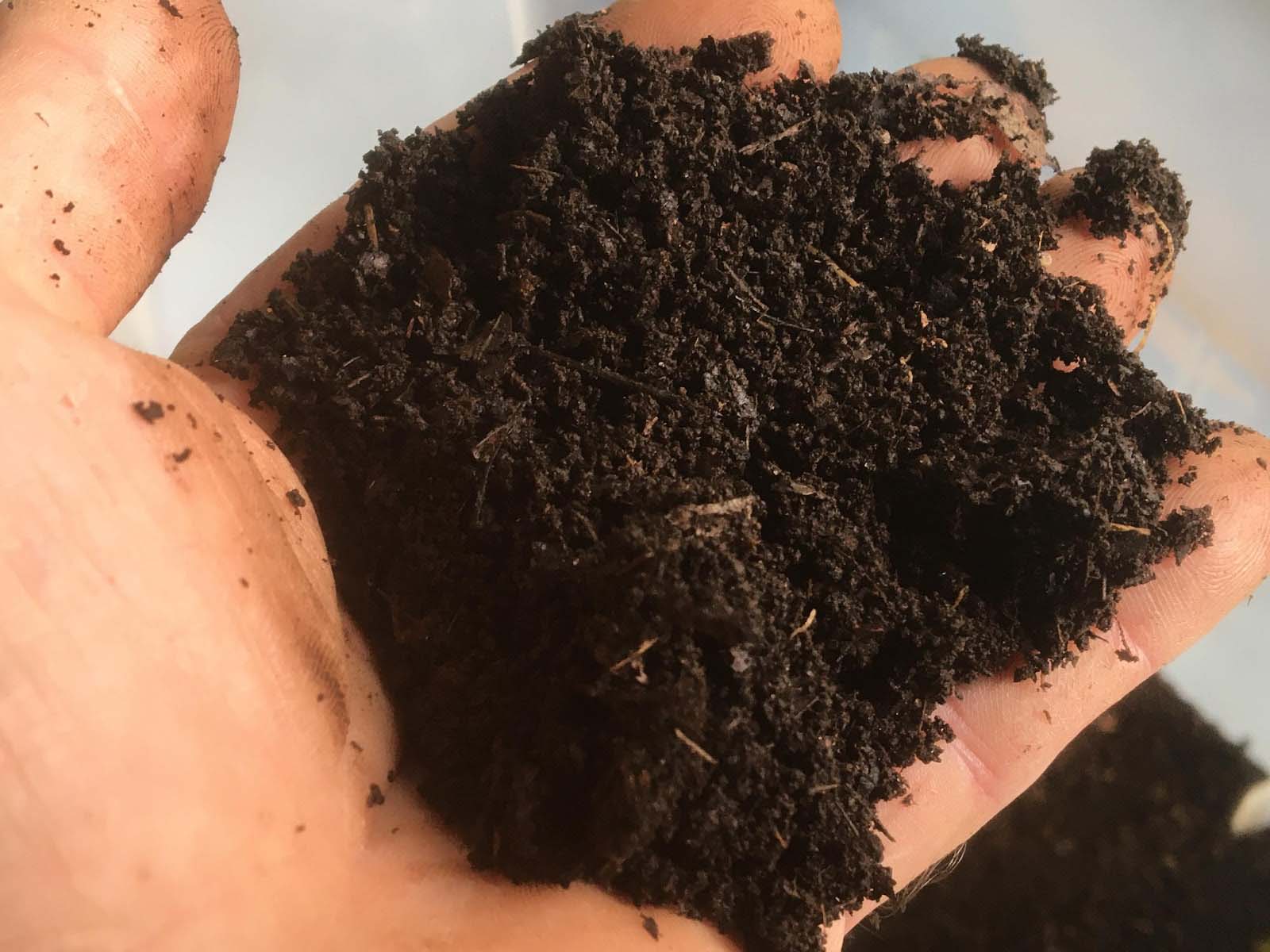
Finished leaf mold looks dark, soft, and crumbly, with a pleasant earthy smell. It should no longer look like whole leaves, though a few small pieces are fine.
Conclusion
Learning how to make leaf mold is one of the easiest and most rewarding things you can do for your garden. It costs little, uses fallen leaves that would otherwise be wasted, and gives you a rich soil helper that improves moisture, texture, and long-term plant health.
If you have leaves piling up this season, start a leaf mold pile now and let time do the heavy lifting. Try it in a corner of the yard, in bags, or in a wire bin, and see how your soil responds over the next season. If you found this guide helpful, explore more gardening tips, subscribe for future articles, or leave a comment with your own leaf mold experience.