Shade Garden Vs Sun Garden: Which Is Best For Your Yard
Shade garden suits low light; sun garden needs full sun for blooms, vegetables, and heat-loving plants.
I have designed and tended gardens for over a decade. I write this to help you choose between a shade garden vs sun garden with clear guidance. You will learn site checks, plant choices, design tips, and real-life mistakes to avoid. Read on for a practical, experience-backed comparison that helps you decide and act.
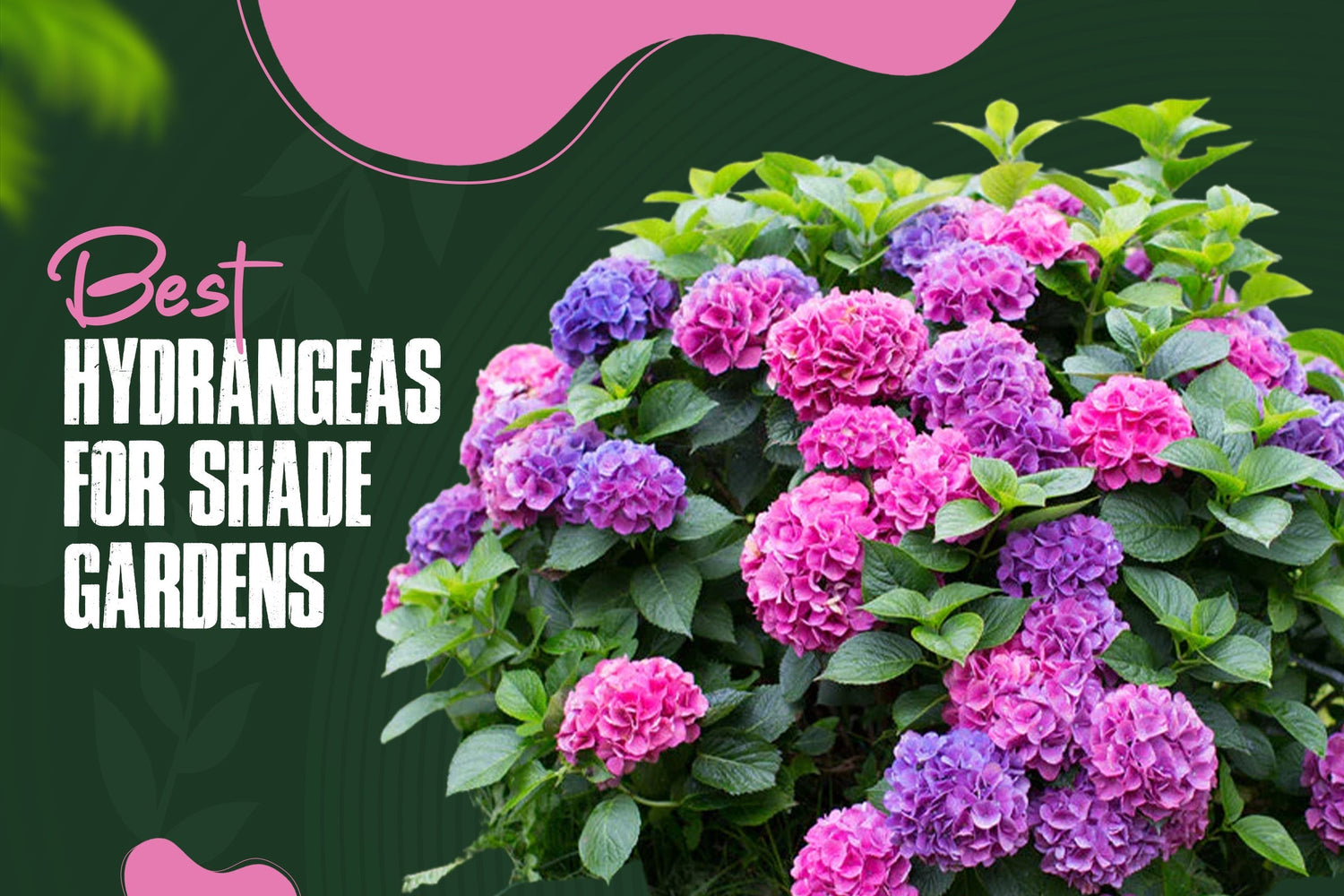
Understanding shade garden vs sun garden
A shade garden grows in spots that get limited direct sun. A sun garden gets six or more hours of direct sunlight daily. The choice affects plant types, soil care, water needs, and overall style. Knowing the difference helps you pick plants that thrive instead of struggle.
Shade garden vs sun garden matters for microclimate. Shade areas stay cooler and lose less moisture. Sun areas warm up faster and fuel flowering and fruiting. Both can be beautiful. Both can fit a small yard or a large landscape.
Common types of shade:
- Morning shade: sun later in day.
- Dappled shade: filtered light beneath trees.
- Full shade: little to no direct sun.
Common types of sun exposure:
- Full sun: six or more hours.
- Partial sun/partial shade: three to six hours.
- Hot afternoon sun: intense light and heat.

Site assessment and planning for shade garden vs sun garden
Start with a simple site audit. Observe the space across a full day. Note how many hours of sun each area gets. Also check soil type, slope, drainage, and wind exposure.
Map your yard on paper or take photos at morning, noon, and late afternoon. Mark areas of full sun, partial shade, and full shade. This map guides whether you should plan a shade garden vs sun garden in each spot.
Practical planning tips:
- Test soil pH and texture with a kit.
- Look up mature sizes of nearby trees and shrubs.
- Consider shading changes across seasons.
- Think about irrigation needs and access.
PAA-style questions
- Can a shady yard be turned into a sun garden? Yes. Removing trees and changing shade structures can increase sun. This takes time and permits may be needed.
- How do I measure sun hours quickly? Use a sunny day and note periods of direct sun on a watch or app. Repeat on multiple days for accuracy.

Plant choices and design strategies
Plant choices drive success in the shade garden vs sun garden debate. Shade gardens favor foliage, texture, and blooms that tolerate low light. Sun gardens favor bold color, annuals, vegetables, and vigorous perennials.
Plants for shade garden vs sun garden:
- Shade garden examples: hostas, ferns, hellebores, astilbes, and shade-tolerant groundcovers.
- Sun garden examples: lavender, coneflower, daylilies, tomatoes, and ornamental grasses.
Design ideas for a shade garden:
- Layer plants by height for depth.
- Use paths and seating under trees.
- Play with leaf shapes and variegation for contrast.
Design ideas for a sun garden:
- Group plants by water needs.
- Use raised beds for veggies.
- Add mulch to retain moisture and suppress weeds.
Planting tips:
- Match plants to the measured light, not to wishful thinking.
- Start with healthy soil and organic matter.
- Space plants to allow airflow and root growth.
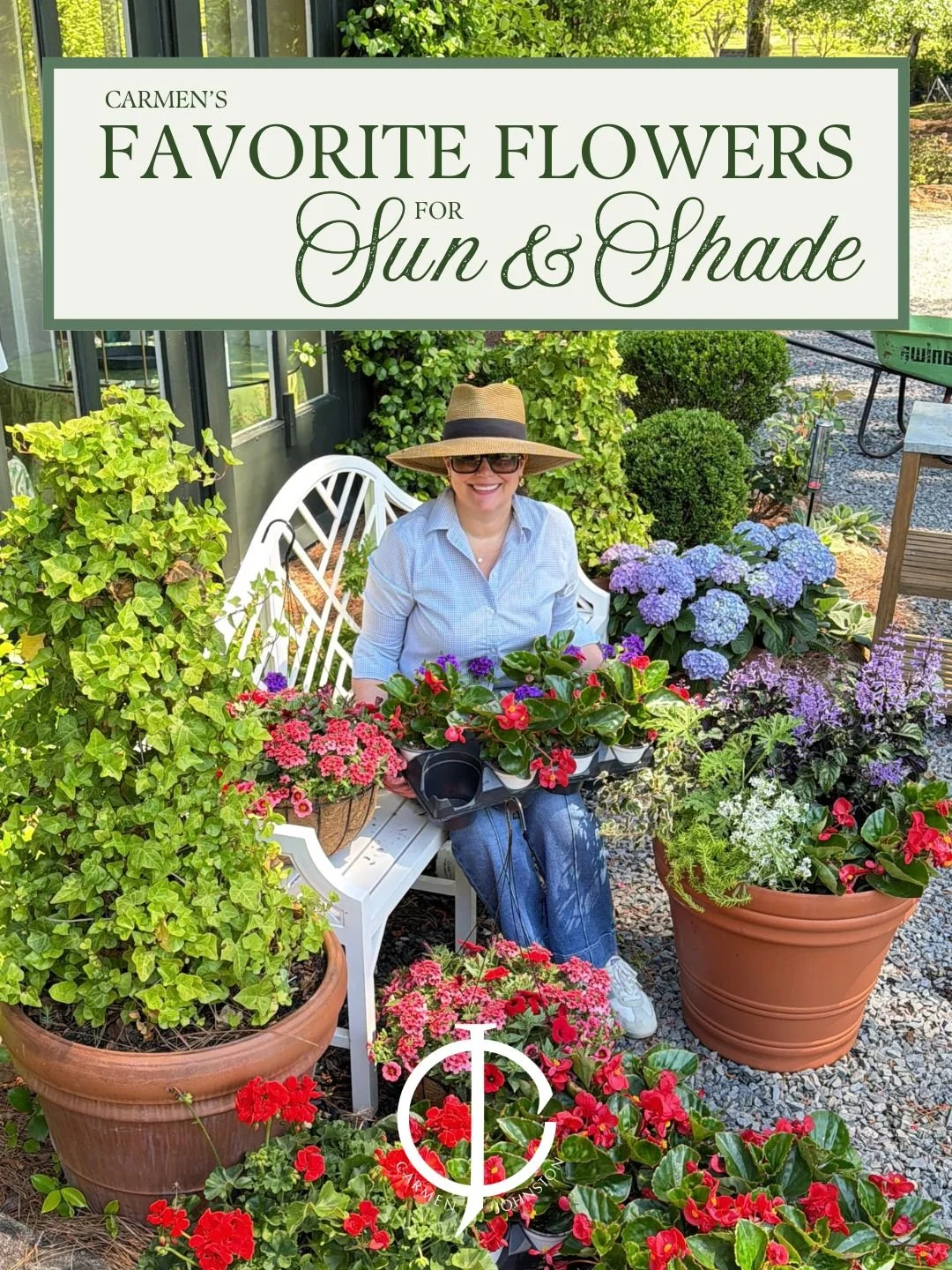
Maintenance and seasonal care
Maintenance differs for shade garden vs sun garden. Sun gardens need more water in hot months and regular deadheading. Shade gardens often need less water but may require more attention for mold and pests due to humidity.
Seasonal checklist:
- Spring: feed perennials, divide overcrowded plants, add mulch.
- Summer: monitor water in sun gardens; watch for leaf scorch in shade gardens.
- Fall: cut back perennials, protect tender plants, replenish soil nutrients.
- Winter: add leaf mulch, protect roots of sensitive plants.
Watering rules:
- Sun garden: water deeply and less often to encourage strong roots.
- Shade garden: water more frequently in dry spells but avoid waterlogging.
Benefits and limitations of each approach
Choosing between a shade garden vs sun garden depends on goals and site limits. Each has clear benefits and trade-offs.
Shade garden benefits:
- Cooler microclimate for hot regions.
- Low stress on moisture loss.
- Great for quiet, cozy, woodland looks.
Shade garden limitations:
- Fewer flowering options and less fruit production.
- Possible fungal issues in humid spots.
- Groundcover may be limited by tree roots.
Sun garden benefits:
- Strong blooms and color show.
- Suitable for vegetables and fruit.
- Faster growth and seasonal drama.
Sun garden limitations:
- Higher water and heat stress.
- More pruning and deadheading needed.
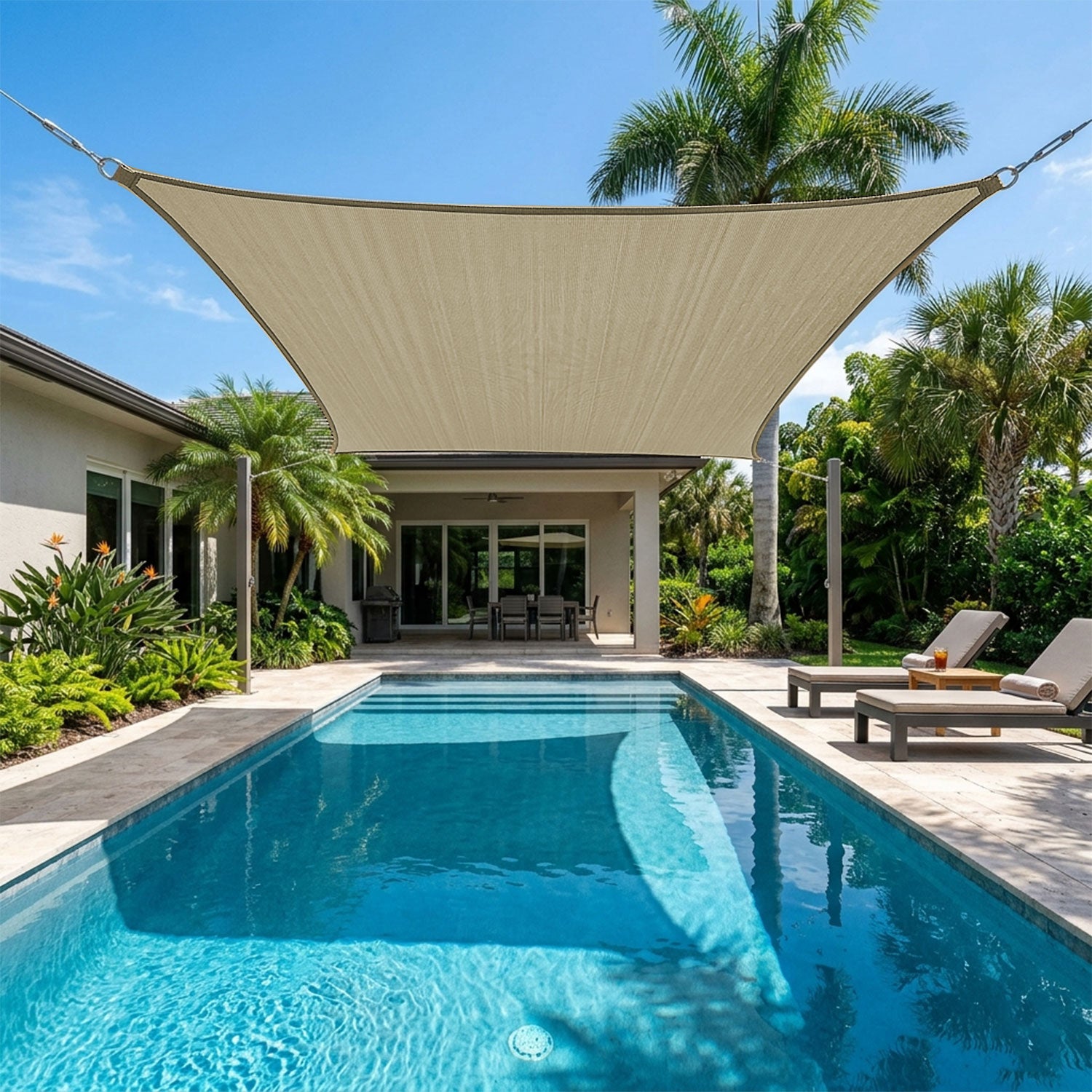
- Can be harsh in hot climates without shade structures.

Personal experience and practical tips
I once converted a small backyard from mostly shade to a mixed-sun layout. I removed two thin trees and added a raised bed for veggies. The sun garden area rewarded me with tomatoes and pollinators within the first season. I learned to test light for weeks before planting.
Lessons learned:
- Don’t assume morning sun equals full sun.
- Be patient when removing trees; roots take years to settle.
- Use native plants to lower maintenance and support wildlife.
Mistakes to avoid:
- Planting sun-loving species in shade and expecting quick blooms.
- Overwatering shade beds because the soil seems dry at the surface.
- Forgetting to amend compacted soil under older trees.
Practical tips:
- Start small. Test one sun bed and one shade bed first.
- Keep a garden journal with photos and light notes.
- Talk to neighbors about canopy changes that affect your light.

Frequently Asked Questions of shade garden vs sun garden
What is the main difference between a shade garden and a sun garden?
The main difference is light exposure. Shade gardens get limited direct sun, while sun gardens receive six or more hours of direct sunlight daily.
Can I grow vegetables in a shade garden?
Most vegetables prefer full sun, but leafy greens and some herbs can grow in partial shade. Locate crops that tolerate less light or create a mixed sun area for veggies.
How much maintenance does a sun garden need versus a shade garden?
Sun gardens often need more watering, deadheading, and pest checks. Shade gardens need attention for fungal disease and may need soil improvements.
Does a shade garden attract fewer pollinators?
Shade gardens can still attract pollinators, especially with shade-tolerant flowering plants. Plant choices and season-long blooms boost pollinator visits.
Can I convert a shade garden to a sun garden quickly?
No, conversions take time and effort. Removing trees, improving soil, and adjusting microclimate may take months to years for best results.
Conclusion
Choosing between a shade garden vs sun garden starts with honest site observations. Match plants to the light, soil, and your goals. Small trials teach more than big guesses. Take one step today: map your yard’s sun, pick a small test bed, and plant accordingly. Share your results, subscribe for more tips, or leave a note about your garden choice.